




Framed Charcoal Drawing
A framed charcoal drawing brings monochrome depth and direct hand-drawn line into a room through historic portraiture, landscape and figure studies.
Framed Charcoal Drawing
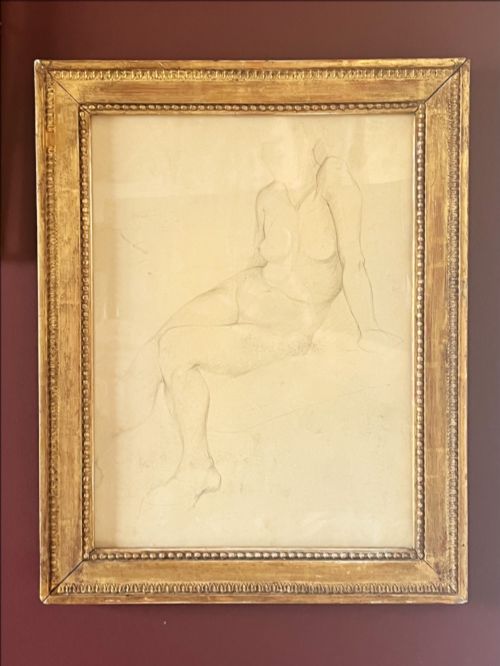
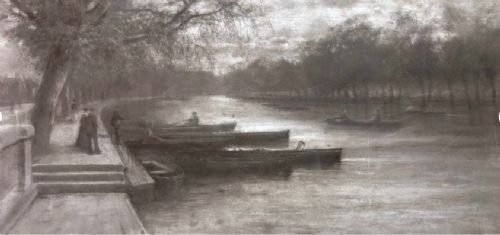
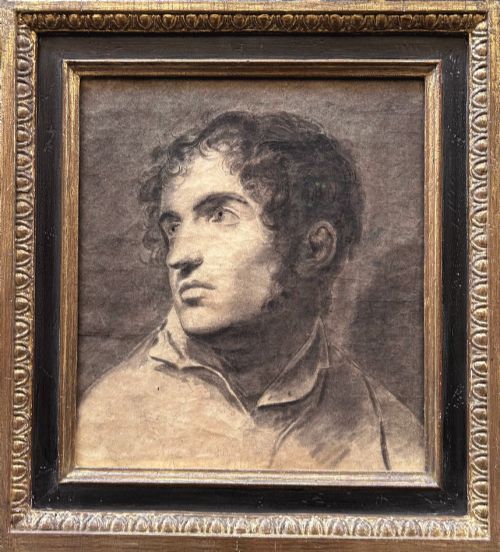
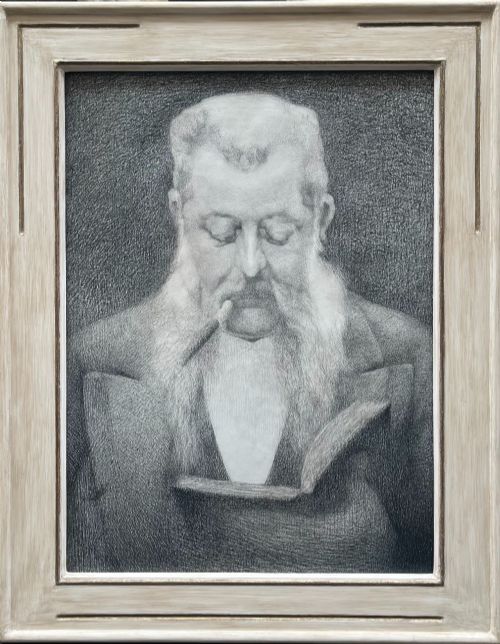
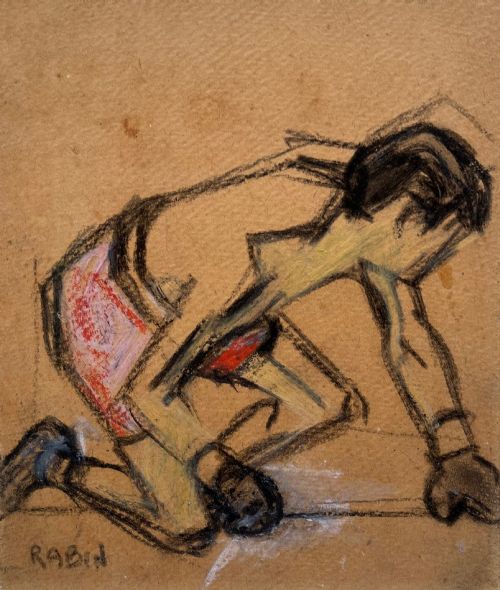
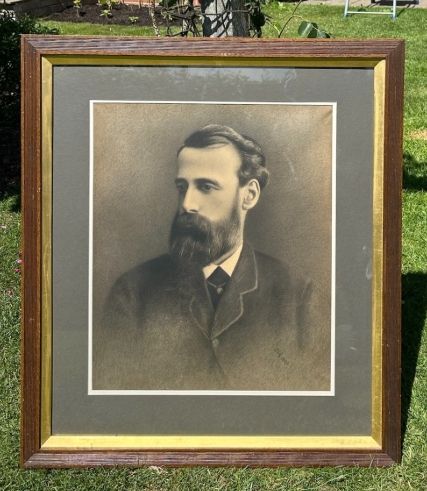
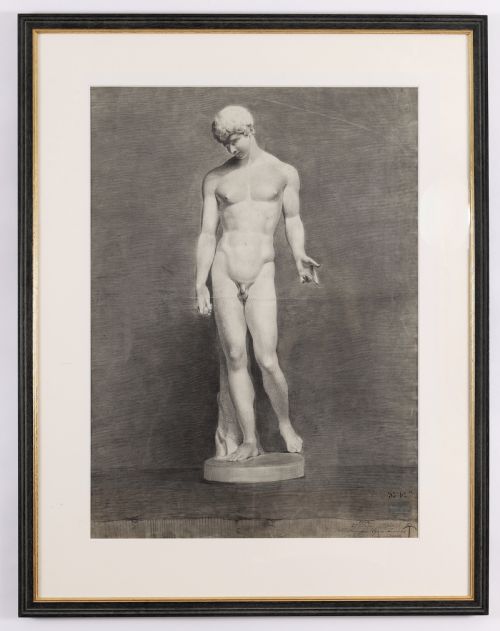
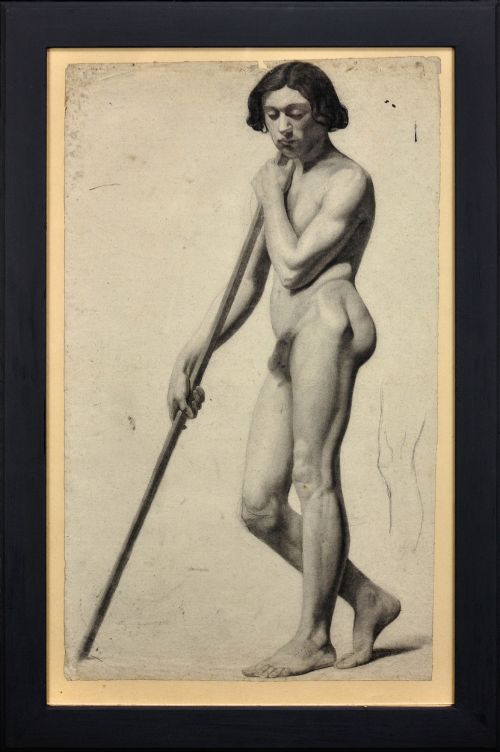
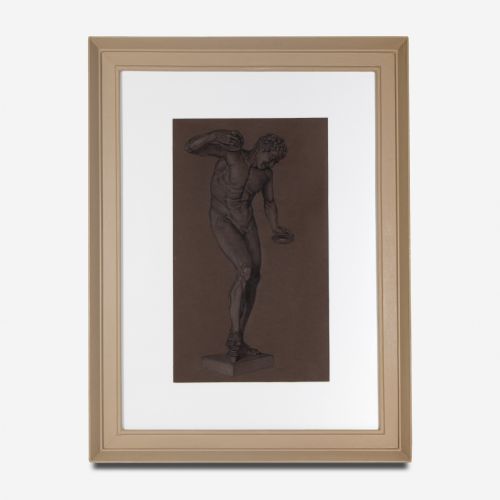
A framed charcoal drawing is an original work on paper capturing subjects ranging from nineteenth-century academic nude life studies to early twentieth-century landscapes and portraits. These pieces often record the immediate hand of the artist through swift gestural marks or deeply finished tonal modelling.
The selections available span periods from the eighteenth century through to the mid-twentieth century, including Victorian, Edwardian, and modern British examples. Academic studies, Symbolist portraits, and trench art battlefield sketches all appear within the category.
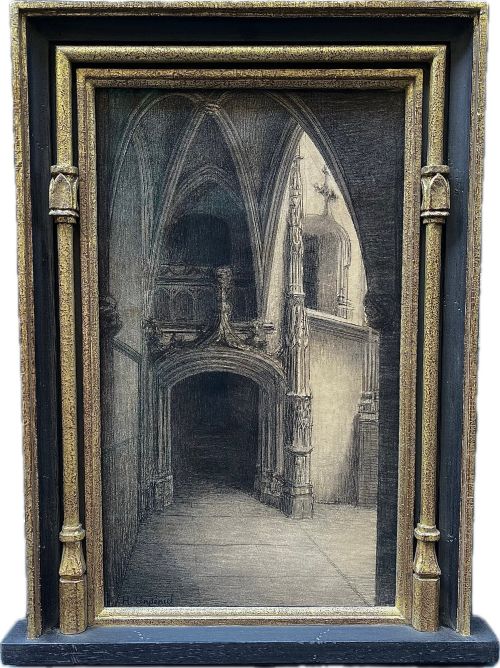
Buyers encounter works housed in various period enclosures, including ornate gilded frames, carved wooden mouldings, and simple antique glass settings that protect the delicate carbon medium.
Materials and technique
Artists utilise compressed or vine charcoal on paper, frequently combining the medium with graphite, chalk, or pastel to build contrast and highlights. Supports consist primarily of wove or laid paper, though occasional examples utilise canvas.
Fixatives secure the friable carbon particles to the paper substrate, preventing smudging beneath glass. The surrounding frames employ traditional woodworking techniques, utilising carved wood and giltwood finishes to complement the tonal range of the drawing.
Materials recorded across these listings include paper, charcoal, glass, wood, graphite, chalk, pastel, and giltwood.
Distinctions in quality
Quality rests upon the sureness of the draughtsmanship and the preservation of the delicate carbon medium beneath the glass. Strong anatomical understanding in life studies and expressive tonal depth in landscapes separate masterworks from routine studio practice.
The integrity of the original framing contributes significantly to the overall piece, with period giltwood or carved Florentine frames holding greater historic harmony than later replacements.
Samuel Rabin·Henri Charles Angéniol·Henry Arthur Roberts·Demetrios Galanis·J D Fergusson·Arthur Todd·Winifred Eugene Ballard·Reginald G Eves·John Macallan Swan·Winston Churchill
The Framed Charcoal Drawing Glossary
- Charcoal
- A dry drawing medium made from organic matter that produces deep velvety blacks and soft tonal gradations. It requires glass protection due to its friable nature.
- Academic Realism
- A style of painting and drawing produced under the influence of European academies of art. It prioritises precise anatomical accuracy and classical proportions.
- Giltwood
- Wood that has been coated with a thin layer of gold leaf. Antique frames utilising this finish provide period context to works on paper.
- Deux Crayon
- A drawing technique using two distinct coloured chalks or pencils, usually black and red or white, on toned paper. This method creates highlights and shadows efficiently.
Framed Charcoal Drawing: Frequently Asked Questions
How should I hang a charcoal drawing?
Keep the piece away from direct sunlight to prevent the paper from yellowing and the charcoal from fading over decades.
Ensure the room maintains stable humidity levels so the paper substrate does not warp or develop foxing marks inside the frame.
Can I remove the drawing from its frame?
Avoid opening antique frames unless necessary for conservation, as historic mount boards and backings often provide clues to provenance and age.
Old paper is fragile and vulnerable to atmospheric changes, so leave framing adjustments to professional conservators.
How do I identify the period of a drawing?
Examine the watermark on the paper, the style of the script in any signatures or inscriptions, and the construction methods of the wooden frame.
Clothing styles, facial hair, and subject matter also offer clear chronological markers for nineteenth and twentieth-century works.
What is the difference between charcoal and graphite?
Charcoal produces a matte, deep black mark that smudges easily and allows for broad, expressive tonal sweeps across the paper.
Graphite yields a shinier, metallic grey line that holds finer detail and resists smudging to a greater degree.