


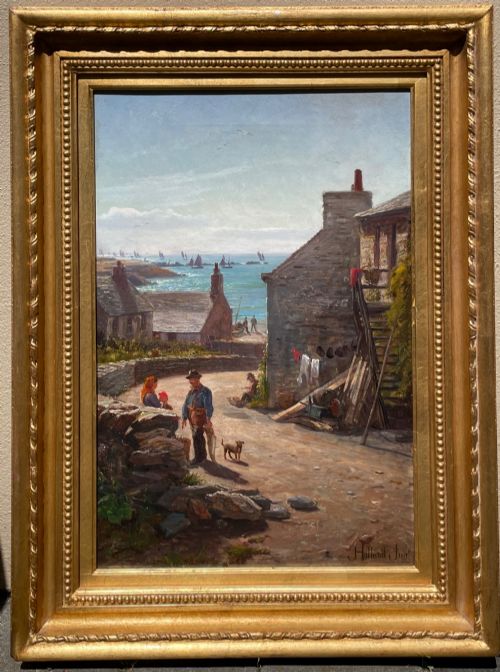


Framed British Coastal Scene
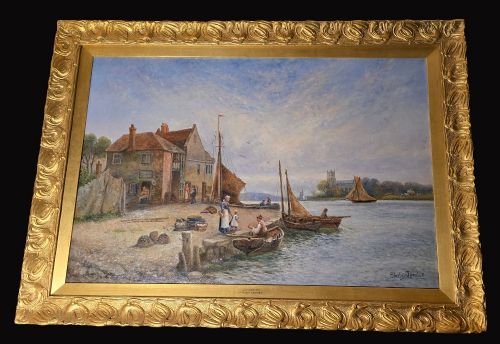
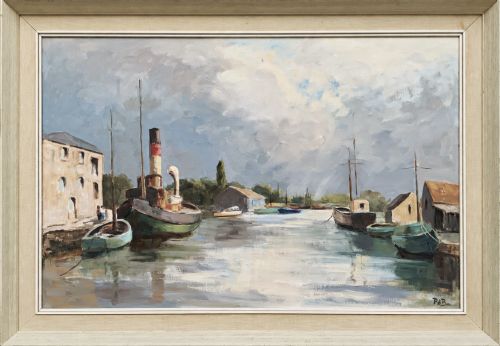
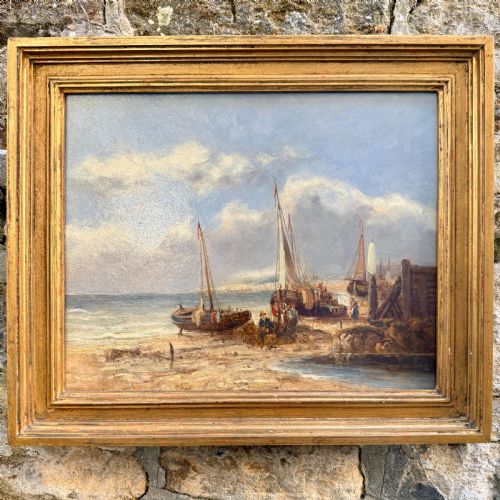
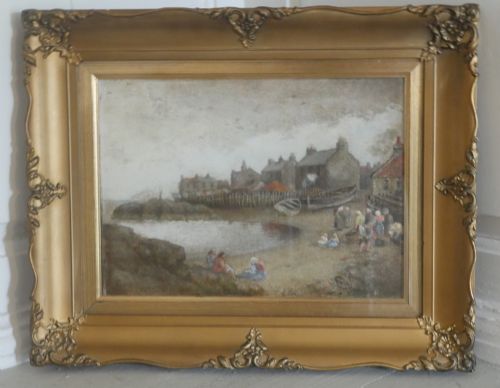
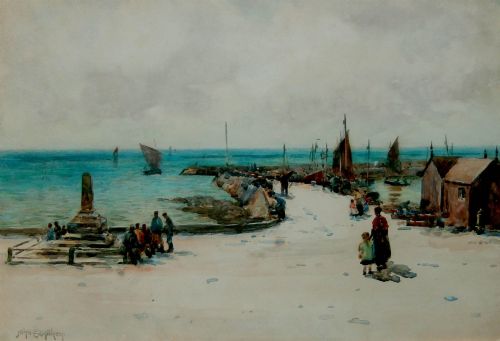
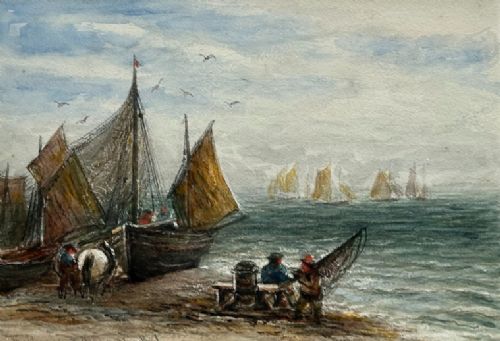
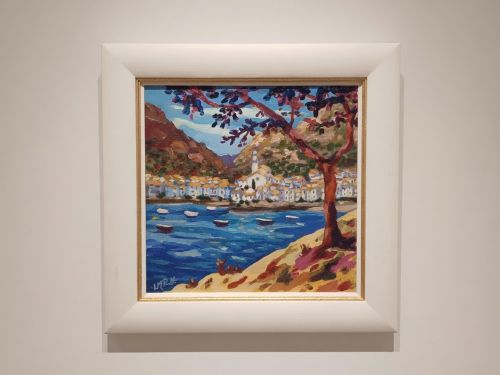
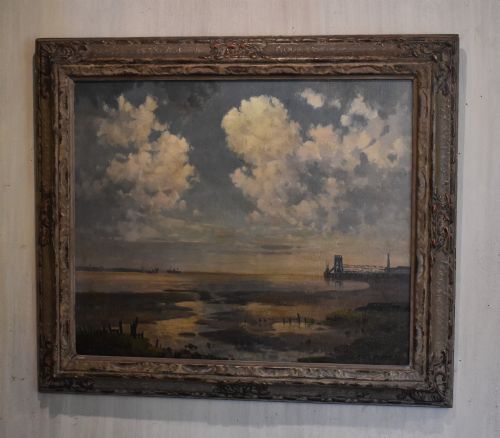
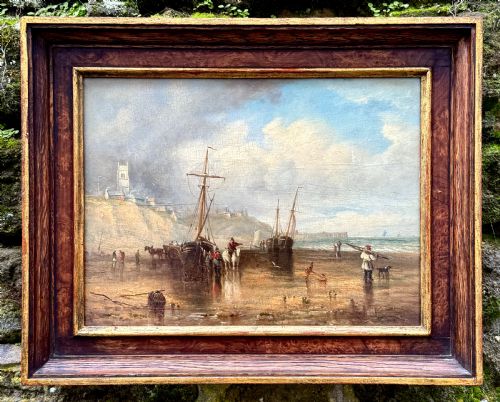
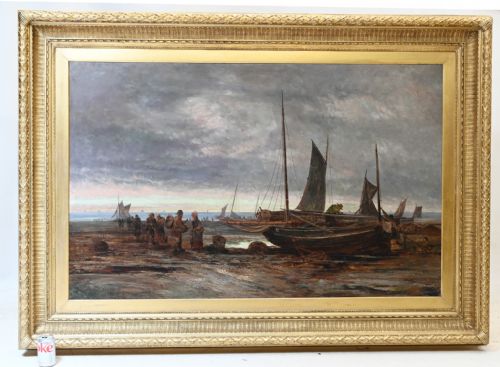
When you search for a framed british coastal scene, you find paintings of harbours, beaches and maritime life executed across the nineteenth and twentieth centuries.
Framed British Coastal Scene
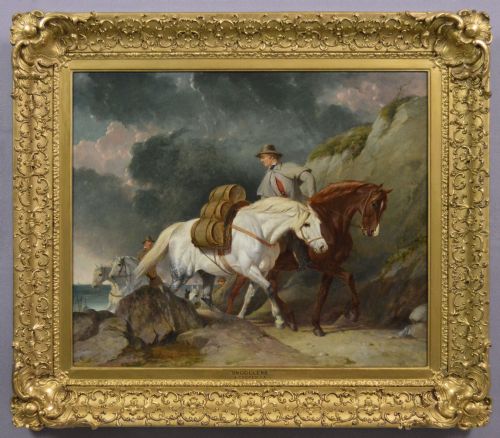
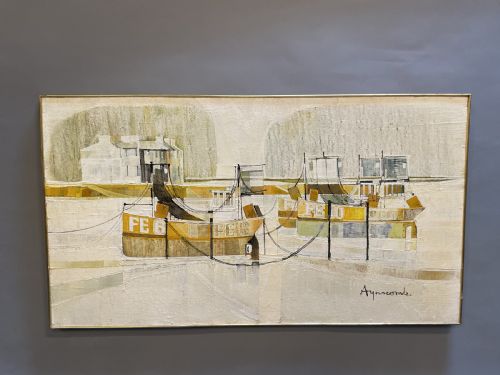
A framed british coastal scene captures the maritime geography, fishing ports and shorelines of Britain through the eyes of artists working from the Victorian era into the mid-twentieth century.
The selections on this page span oil paintings on canvas, panel or card alongside delicate watercolours on paper, all preserved within period or complementary frames.
Subjects range from bustling Cornish fishing harbours and stormy North Sea havens to quiet tidal inlets in Norfolk and the Isle of Man.
How they were made
Artists built their compositions using oil paint on stretched canvas or wooden board, applying rich impasto for rough seas or smooth glazes for calm coastal air.
Watercolour paintings rely on translucent pigments applied to heavy paper, capturing the pale light and atmospheric dampness of British shores with fluid brushwork.
Works are housed behind glass where executed in watercolour or presented in heavy moulded wood frames designed to complement the period of the painting.
Framed British Coastal Scene Retail Price Guide 2026
Typical asking prices for framed british coastal scene among the pieces listed under this phrase on Sellingantiques today, from the lower quarter to the upper quarter. They describe what is for sale here now, not the wider market.
Listings feature works spanning the nineteenth century through the 1960s, executed in oil and watercolour on paper, canvas, card and panel.
What varies in quality
The strength of a piece rests on the artist's command of light, marine atmosphere and coastal topography, distinguishing skilled observation from formulaic studio production.
Materials and preservation dictate longevity, with stable paint layers, minimal canvas relining and well-kept original paper supports representing superior condition.
The proportion and authenticity of the frame significantly influence the integrity of the object, as period mouldings enhance the visual weight of the artwork.
Stanley Leader·Peggy de Brett·William Shayer·James Orrock·Edward Mills·John E. Aitken·William Banks Fortescue·Lucy Pratt·Clive Browne·Thomas Creswick·Abraham Cooper·John Holland·William Lee Hankey·George Turland Goosey·Cecil Rochfort D'Oyly-John·James Kyd·Colin H Greenwood·James Watson·Donald McIntyre·George Hamilton Constantine·William Pitt·Claude Thomas Stanfield Moore·Sir William Russell Flint·Frederick William Hattersley·Owen Bowen
The Framed British Coastal Scene Glossary
- Watercolour
- A painting method in which fine pigment is suspended in a water-based, translucent solution applied to paper.
- Impasto
- Paint laid thickly on an area of the surface so that it stands out from it, frequently seen in depictions of churning waves.
- Canvas
- A closely woven heavy fabric used as a support surface for oil paintings, typically stretched over a wooden frame.
- Maritime
- Depicting ships, shipping, navigation or coastal scenes, forming the primary subject matter of these works.
- Gouache
- An opaque water-based paint often used alongside watercolour to add solid highlights to sea foam and clouds.
Framed British Coastal Scene: Frequently Asked Questions
How do I date a coastal painting?
Dating relies on stylistic clues, framing materials, artist signatures and any inscriptions found on the reverse of the canvas or paper support.
Examining the canvas weave and stretcher construction provides further physical evidence to narrow down the decade of creation.
Where should I hang a coastal artwork?
These works suit well-lit spaces away from direct sunlight and excessive humidity to protect vulnerable watercolours and oil pigments.
Pairing the frame with neutral wall colours allows the maritime tones and brushwork to command attention.
Are watercolours harder to care for than oils?
Watercolour paintings require protection behind glass and UV-filtering framing to prevent fading of delicate pigments over time.
Oil paintings on canvas offer greater physical resilience but still benefit from stable indoor humidity and gentle dusting.
What defines the St Ives school style?
The St Ives school encompasses artists drawn to the distinct coastal light, rugged cliffs and fishing communities of Cornwall.
Their work bridges traditional maritime representation and modern British impressionism through expressive handling of paint.