

Framed Botanical
Framed botanical pieces bring natural forms indoors through delicate watercolours, oils and prints.
Framed Botanical
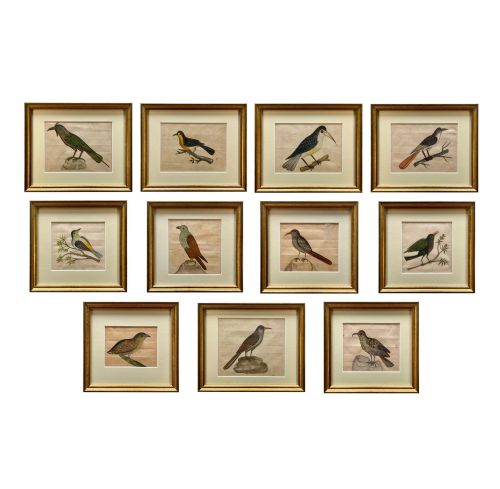
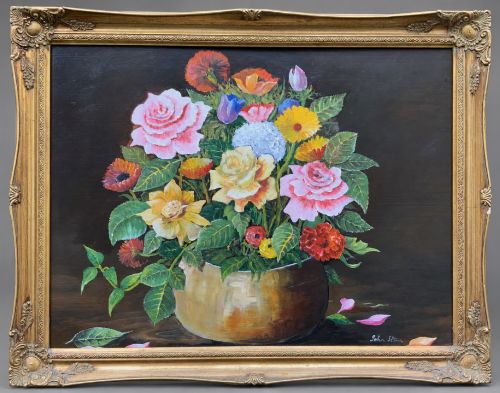
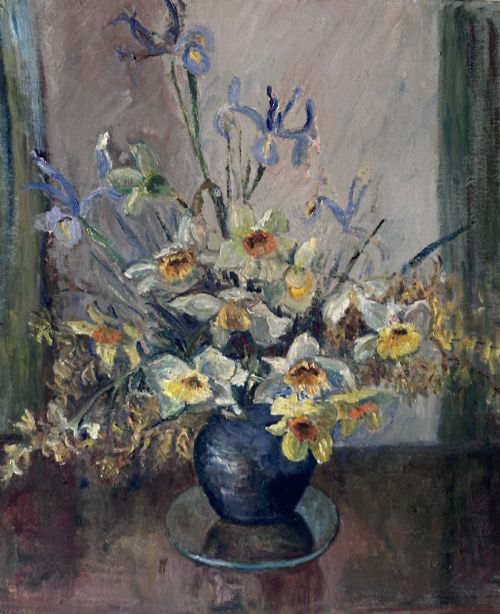
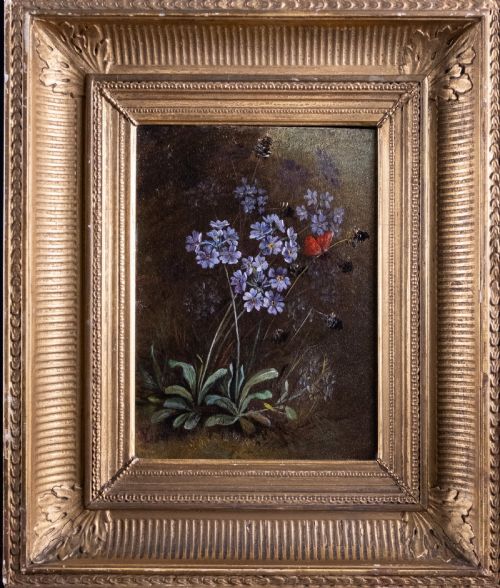
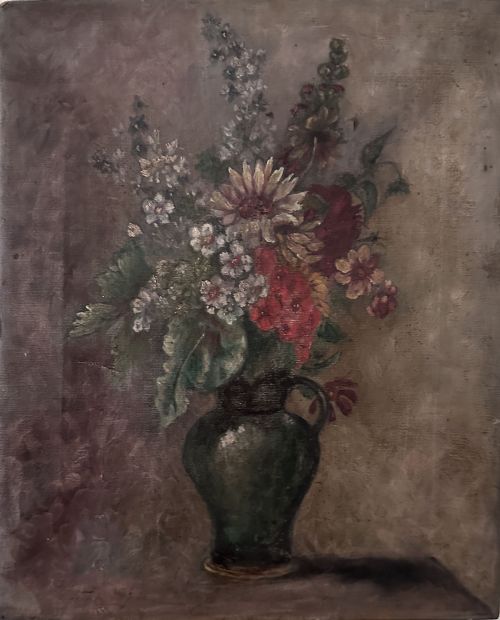
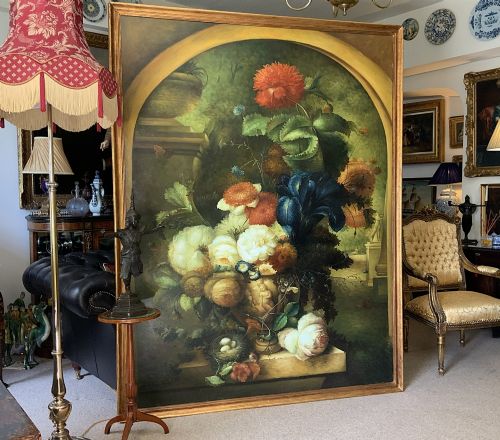
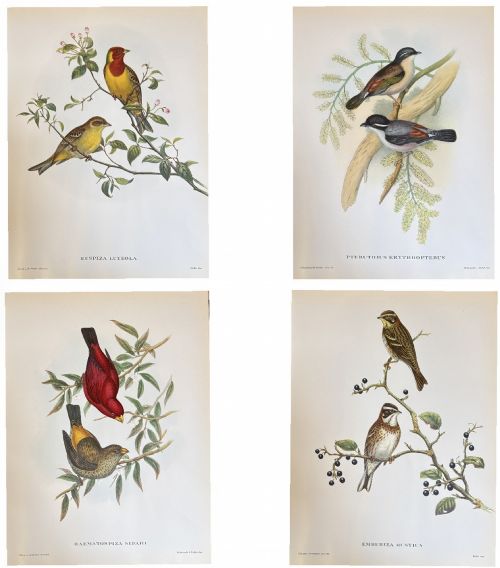
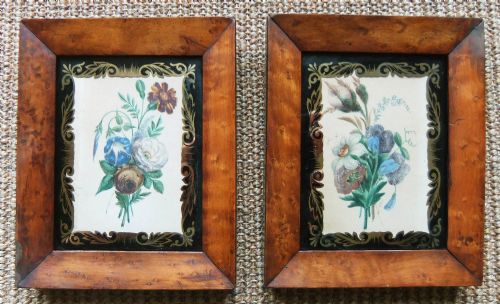
When searching for framed botanical works, buyers encounter a diverse selection of wall art spanning multiple periods, including nineteenth-century watercolours and mid-century paintings. These items capture flora, fauna, and still life arrangements using various painting and print techniques.
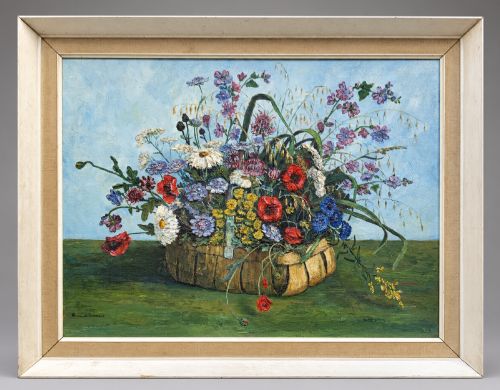
The most common examples on this page are oil paintings and watercolours housed behind glass or within timber frames, often depicting flowers, fruit, and garden scenes from the Victorian era onwards.
How they were made
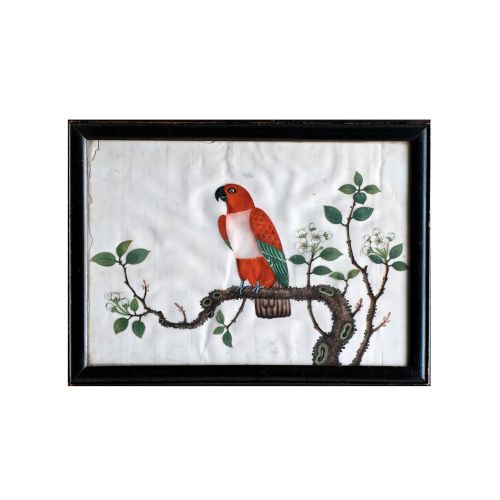
Makers utilised traditional supports such as canvas, wood panel, paper, and pith paper, applying oil paint, watercolour, gouache, or tempera by hand.
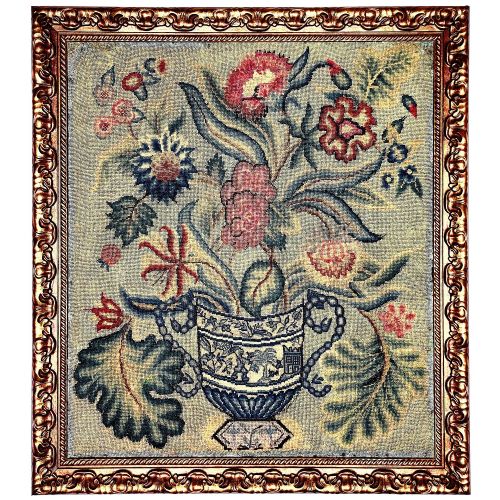
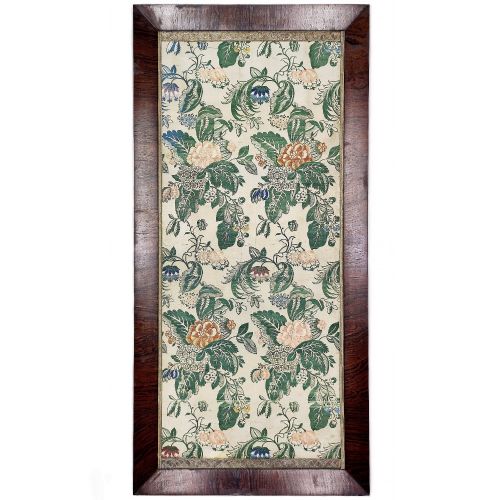
Finished works were typically mounted in wood frames, frequently enhanced with gold leaf, gilt gesso, or rosewood veneers to complement the subject matter.
Framed Botanical Retail Price Guide 2026
Typical asking prices for framed botanical among the pieces listed under this phrase on Sellingantiques today, from the lower quarter to the upper quarter. They describe what is for sale here now, not the wider market.
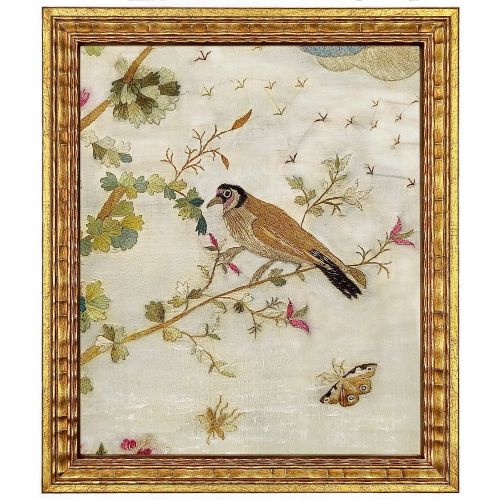
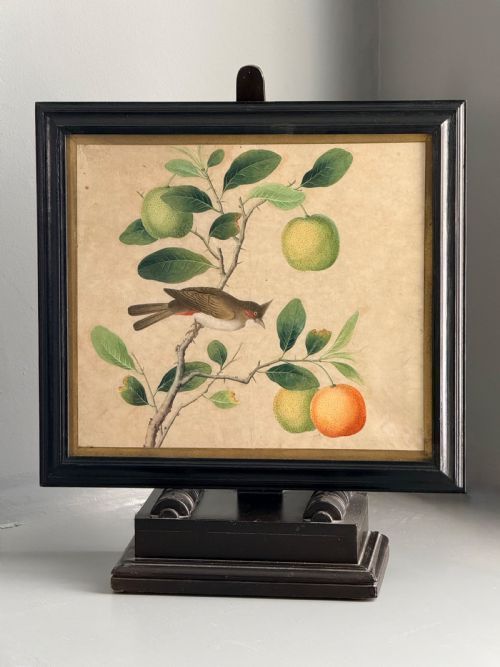
Several botanical artists clearly possessed a soft spot for garden birds, occasionally letting blue tits and butterflies share the canvas with the roses.
What varies in quality
The degree of realism and brushwork detail separates standard decorative items from finer artistic examples across different periods.
Original artist signatures, contemporary framing choices, and the preservation of the paper or canvas surface dictate the overall standing of each piece.
Marjorie L Davies·Irene Christobelle Pownoll Williams·Theude Grönland·Oliver Clare·Edward Ladell·Konstantin Stoitzner·Ernest Arthur Rowe·Emma Fordyce MacRae
The Framed Botanical Glossary
- Gouache
- An opaque water-based paint that produces vibrant, flat areas of colour on paper or pith paper. It differs from transparent watercolour through the addition of a white pigment.
- Gilt gesso
- A plaster-like mixture applied to wooden frames before gilding with gold leaf. This technique creates ornate surface decoration characteristic of period framing.
- Pith paper
- A delicate material made from the pith of the Tetrapanax papyrifer plant, used in historical Asian art for detailed watercolour and gouache painting.
- Oleograph
- A mechanical reproduction printed in oil colours on canvas to simulate an oil painting. These appeared widely in the nineteenth and twentieth centuries.
- Tempera
- A permanent, fast-drying painting medium consisting of coloured pigment mixed with a water-soluble binder such as egg yolk. It provides a matte finish on panels.
Framed Botanical: Frequently Asked Questions
What periods do these pieces come from?
The selection includes works from the nineteenth century, the Regency period, and mid-century decades up to the 1960s.
Items range from early Victorian watercolours to vintage oil paintings and prints.
How should I hang framed botanical art?
Consider pairing pieces with similar timber frames or matching watercolours to create a cohesive wall display.
Keep them away from direct sunlight to protect the paper, canvas, and original pigments over time.
Are these works original or printed?
The listings feature a mix of original hand-painted oils, watercolours, gouache, and vintage prints.
Individual descriptions specify whether a piece is a signed original painting or a lithograph.
What framing materials were used historically?
Period pieces frequently utilise wood frames featuring gold leaf, gilt gesso, mahogany, or rosewood.
Many incorporate glass protection to preserve the delicate painted surfaces on paper and canvas.