


Framed Boat Harbour Artwork
When you search for framed boat harbour artwork, you find a rich record of maritime life captured through changing periods of painting.
Framed Boat Harbour Artwork
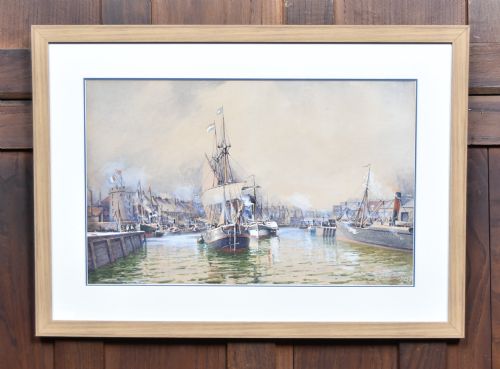
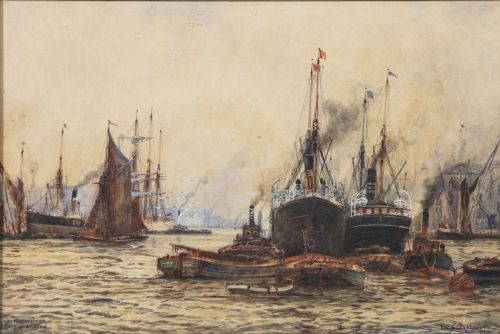
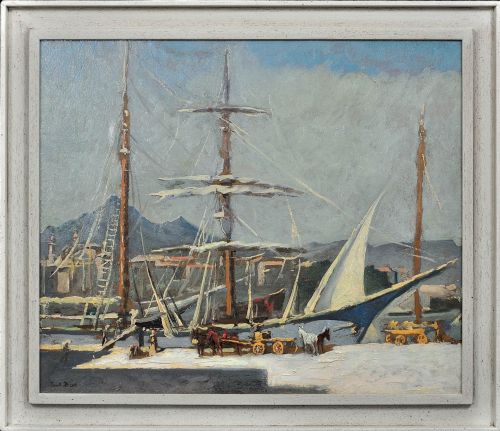
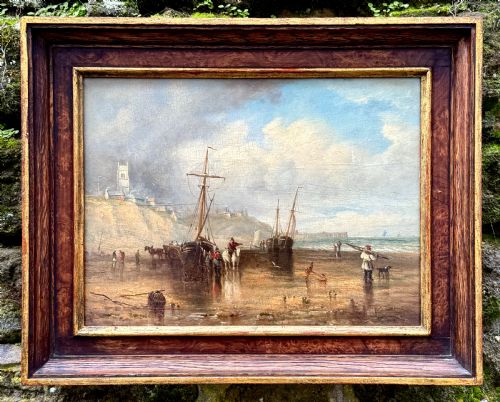
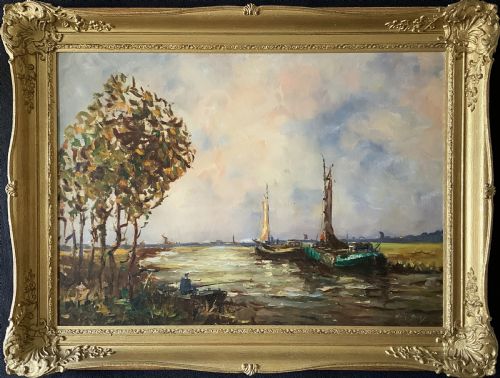
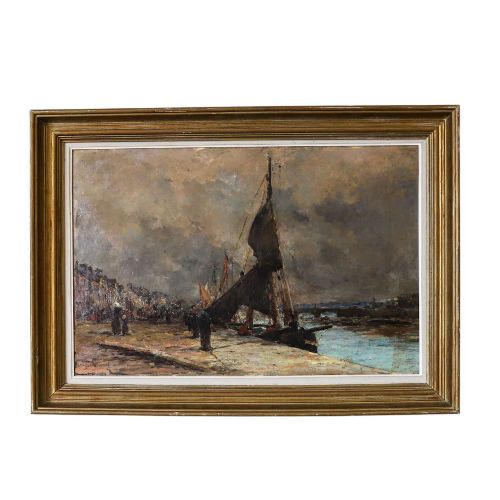
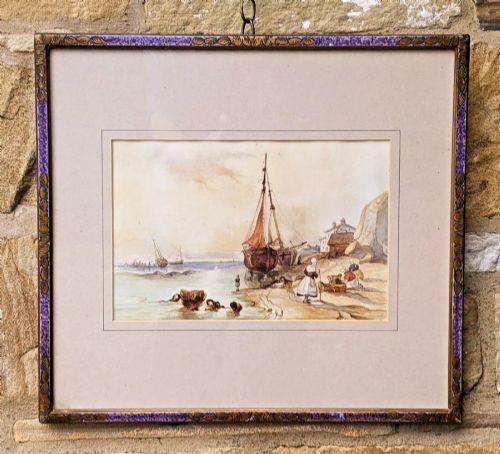
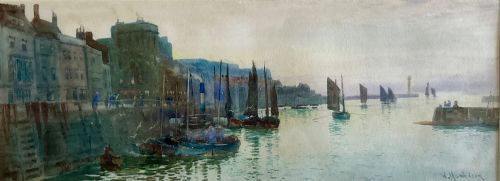
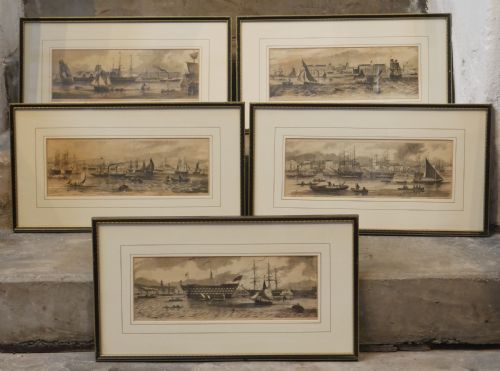
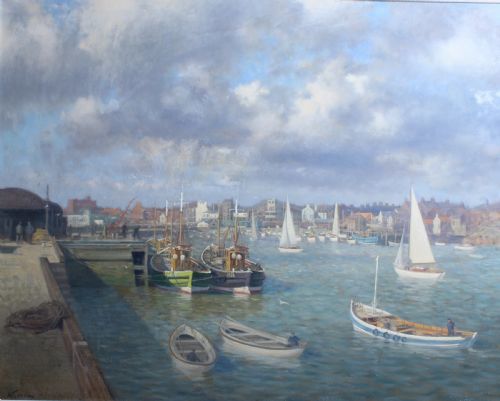
A framed boat harbour artwork records maritime and coastal scenes, capturing working ports, fishing vessels, and calm estuaries. These pieces range from detailed nineteenth-century watercolours to mid-century impressionist oils depicting specific locations across Britain and Europe.
The selection here draws heavily on British and continental coastal subjects, featuring Cornish harbours like St Ives and Polperro alongside international ports. Buyers encounter both intimate watercolours on paper and larger oil paintings on canvas or board.
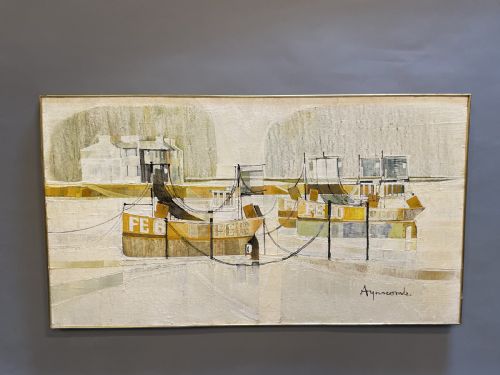
Most examples date from the Victorian and Edwardian eras through to the mid-twentieth century, reflecting shifts in artistic interpretation of light and water. Works span traditional maritime documentation to looser, more atmospheric impressionist interpretations.
What Varies in Quality
The strength of a harbour painting rests upon the artist's command of light, atmosphere, and the specific architecture of the vessels. Superior works demonstrate confident brushwork that conveys the movement of water and the solid structure of quaysides without stiffness.
Provenance and documentation also influence distinction, particularly when works are clearly signed by known maritime painters or linked to established galleries. The harmony between the original frame and the canvas further elevates the piece.
Listings feature works executed on canvas, paper, wood, and board, spanning oil and watercolour mediums.
Frank William Scarbrough·Thomas Creswick·William Matthison·William Edward Webb·Edward Matthew Elliott
The Framed Boat Harbour Artwork Glossary
- Watercolour
- A painting method where fine pigment is suspended in a water-soluble binder, commonly applied to paper. It offers translucent washes that suit atmospheric skies and coastal reflections.
- Impressionism
- A style of painting that focuses on the accurate depiction of light and its shifting qualities rather than fine detail. This approach is frequently seen in twentieth-century renderings of busy ports.
- Gilt frame
- A wooden picture surround coated with a thin layer of gold leaf or metallic paint. These frames were designed to enhance the depth and warmth of oil paintings.
- Maritime
- Pertaining to the sea, ships, and harbours. It defines the central theme uniting these coastal scenes and shipping compositions.
Framed Boat Harbour Artwork: Frequently Asked Questions
What periods do these paintings come from?
The works span from the nineteenth century through the Edwardian era and into the mid-twentieth century. This timeline covers significant shifts in British and European coastal painting styles.
Earlier pieces often lean towards traditional maritime detail, while mid-century examples embrace looser impressionist techniques.
Where are most of the harbours located?
Many depicted locations focus on British fishing ports in Cornwall, Yorkshire, and the Isle of Man. Familiar names include St Ives, Whitby, and Mevagissey.
Other canvases extend across the channel to French, Dutch, and Italian ports, recording continental maritime life.
Are watercolours or oils more common?
Both mediums appear frequently across the selection, each offering a distinct visual quality. Watercolours are typically chosen for bright, luminous coastal views on paper.
Oils on canvas or board provide heavier texture and depth, suiting stormy seas and bustling industrial docks.
How should I hang a framed harbour artwork?
Select a wall with stable ambient light, avoiding direct, harsh sunlight that can fade watercolours and paper over time. Ensure the weight of the frame is supported by appropriate fixings.
Pairing the timber tone of the frame with existing furniture helps anchor the piece within the room.