

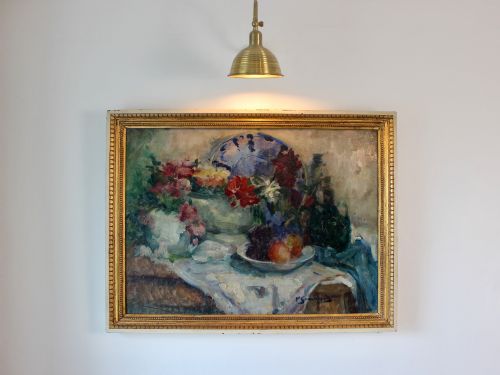


Framed Belgian Artwork
Framed belgian artwork brings together continental painting, drawing and watercolour spanning nineteenth-century realism, impressionism and mid-century modernism.
Framed Belgian Artwork
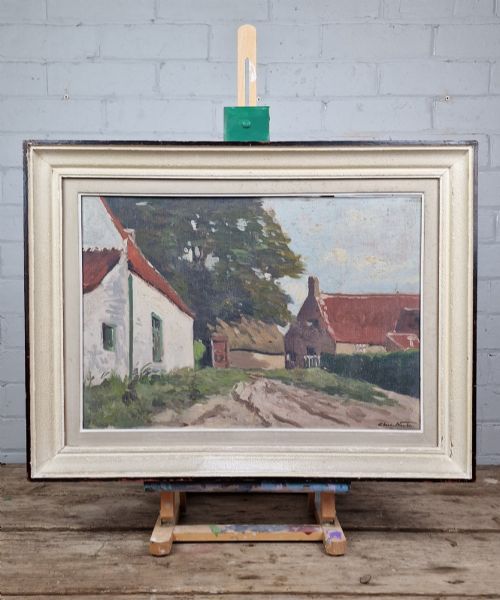
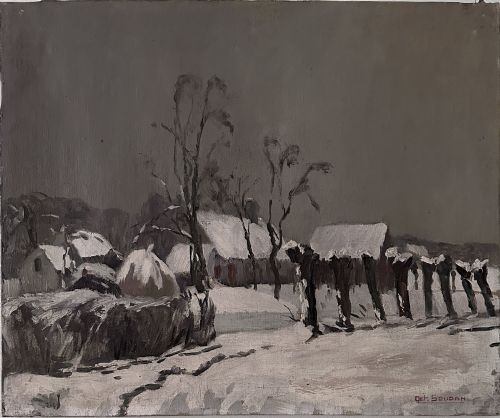
Buyers seeking framed belgian artwork encounter a diverse selection of oil paintings, watercolours and drawings originating from nineteenth-century realism through to mid-century impressionism. The inventory leans heavily towards oil on canvas and oil on board, capturing farmyards, maritime scenes and animal studies.
Works range from intimate rural sketches by figures like Henry Percy Huggill to substantial oil paintings by masters such as Eugène Verboeckhoven and Henri Schouten. Styles stretch from nineteenth-century romanticism and luminism to post-impressionist floral displays and twentieth-century maritime subjects.
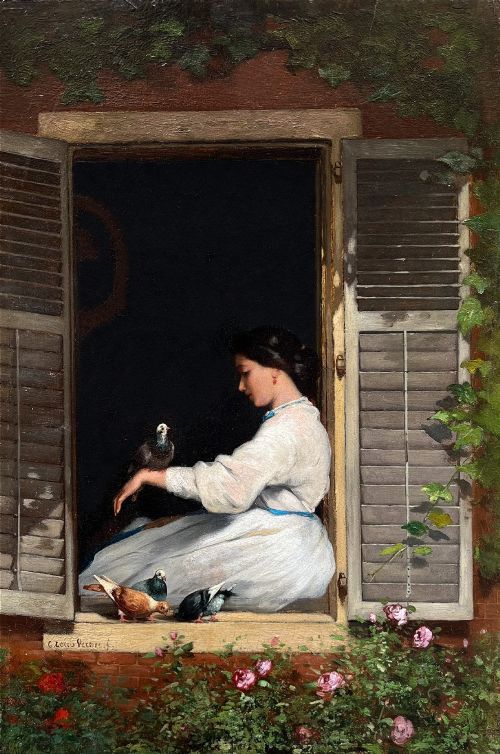
Portraits, still lifes and coastal views complete the selection, often housed in period wooden and gilt gesso frames that complement the European origin of the pieces. These items reflect the varied artistic output of Belgian painters and visiting artists working locally.
Materials and technique
Pigments applied in oil paint onto canvas or wooden board form the foundation of the majority of these works, alongside watercolours and charcoal executed on paper. Artists utilised traditional brushwork to build texture and depth, particularly visible in maritime and landscape compositions.
Wood and gesso provide the structural support for period frames, frequently finished with gilt detailing to enhance the visual presentation of the artwork. Canvas stretched over wooden frames remains standard for larger oil paintings from both the nineteenth and twentieth centuries.
Listings span eight distinct decades from the 1880s through to the 1960s, showcasing both traditional realism and mid-century impressionism.
Evaluating quality and execution
The degree of painterly control and atmospheric depth distinguishes accomplished compositions from simpler decorative student pieces. Skilled handling of light, as seen in luminist and impressionist works, creates a sense of space and naturalism that elevates the visual impact.
The preservation of the original paint surface and the compatibility of the frame with the period of the artwork influence the overall integrity of the piece. Subtle tonal gradations in animal studies and landscapes indicate superior technical ability by the painter.
Eugène Verboeckhoven·Henry Percy Huggill·Charles Houben·Louis Charles Verwee·Victor Simonin·Paul Delvaux·Leopold Halvoet·Frans Gailliard·Franz van Severdonck·Amile Coppieters·Jules Rambo·Eugene Joseph Verboeckhoven·Henri Joseph Pauwels·Jules Evarist van Biesbroeck·Frederick Tully Lott·Hendricus Joseph Dillens·Pierre Emmanuel Dielmans·Job de Vogel·Henri Schouten·Paul Jean Clays·Gustav Goemans·Fernand Toussaint·J L VAN Leemputten·GH Thompson·Maurice Wagermans
The Framed Belgian Artwork Glossary
- Luminism
- An American and European nineteenth-century painting style focused on the effects of light in landscapes. It emphasises quiet, tranquil atmospheres and hidden brushstrokes.
- Gesso
- A plaster-like mixture applied to wood or canvas as a base for painting or moulding frames. It provides a smooth surface that can be carved and gilded.
- Post-Impressionism
- A French art movement that spread across Europe, extending impressionism while rejecting its limitations. Artists prioritised symbolic content and expressive use of colour.
- Trench Art
- Decorative or utilitarian objects made by soldiers or civilians from war debris and materials. Examples include charcoal battlefield drawings produced during active conflict.
- Oil on Board
- A painting technique where pigments are applied directly to a rigid wooden or composite panel rather than stretched canvas. This method was widely used for smaller outdoor studies.
Framed Belgian Artwork: Frequently Asked Questions
How do I identify a nineteenth-century Belgian oil painting?
Look for traditional subject matter such as pastoral landscapes, farmyard scenes or animal studies executed with careful realism. Signatures, artist biographical dates and the style of the wooden stretcher frame often provide further clues.
Many works feature traditional canvas stamps or dealer labels on the reverse. Examining the preparation of the canvas and the ageing of the oil paint helps confirm the period.
What subjects are most common in Belgian art?
Animal studies, particularly sheep, cattle and poultry, appear frequently alongside rural landscapes and coastal maritime views. Still lifes featuring floral arrangements and game also represent major categories.
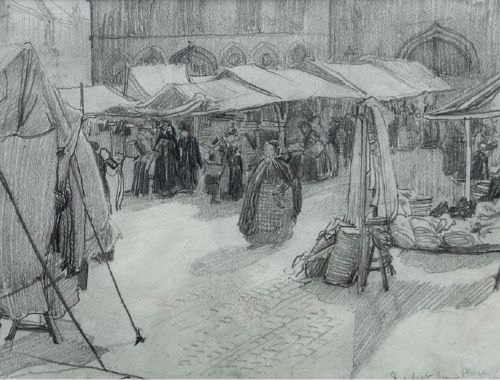
Artists frequently documented local daily life, village markets and historical architecture within Bruges and Ostend. These regional motifs provide a clear window into Belgian artistic traditions.
How should I care for antique oil paintings on canvas?
Keep paintings away from direct sunlight, high humidity and dramatic temperature fluctuations to prevent canvas slackening and paint cracking. Dust the surface gently with a soft, dry brush without applying pressure.
Avoid using water or chemical cleaning solvents on the paint layer. Professional conservation is recommended if the canvas requires cleaning or structural repair.