

Framed Baroque Canvas Painting
A framed baroque canvas painting brings dramatic light, deep shadow and rich portraiture straight from the seventeenth and eighteenth centuries into any interior.
Framed Baroque Canvas Painting
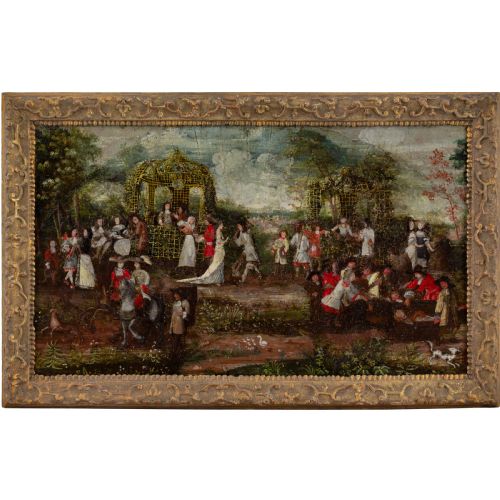
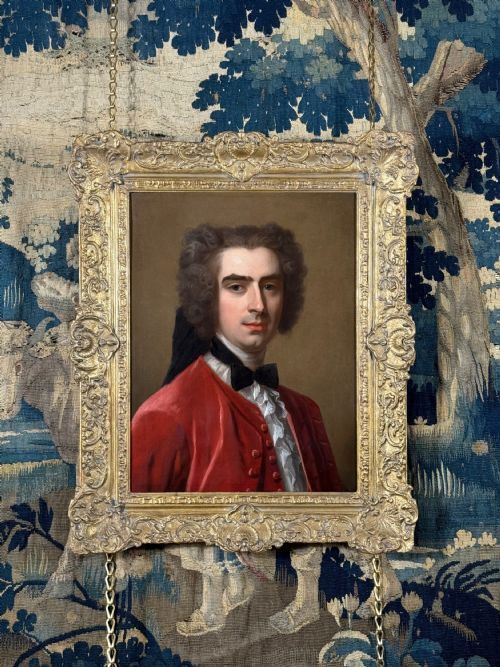
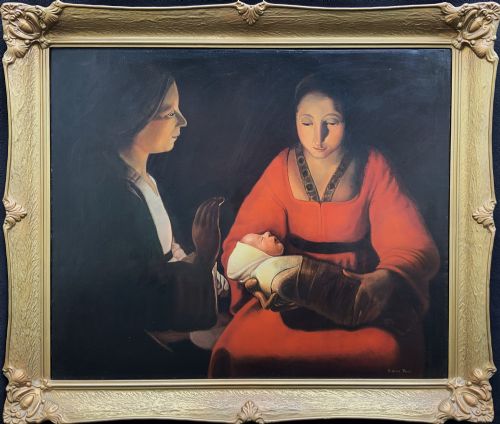
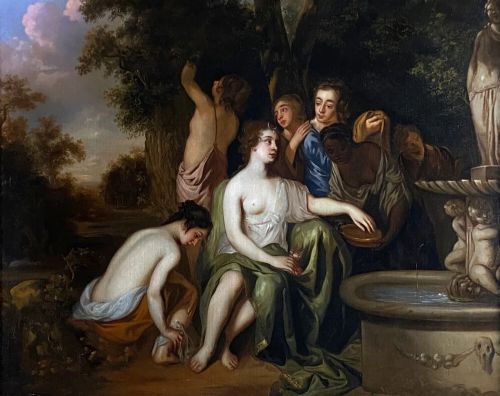
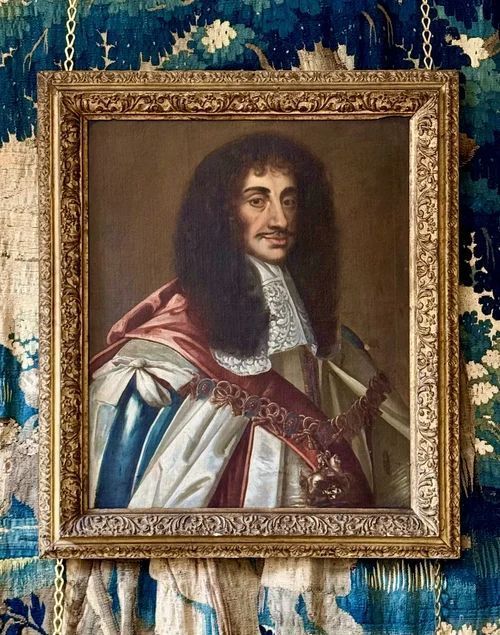
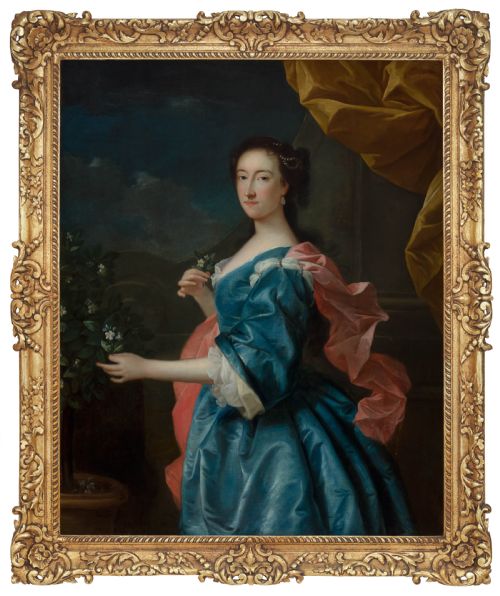
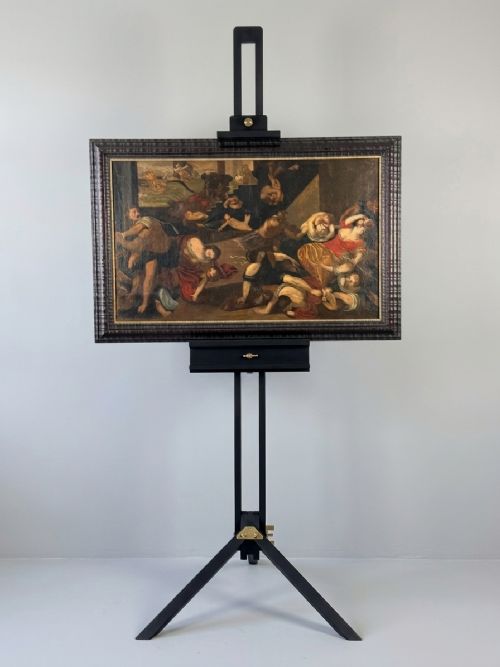
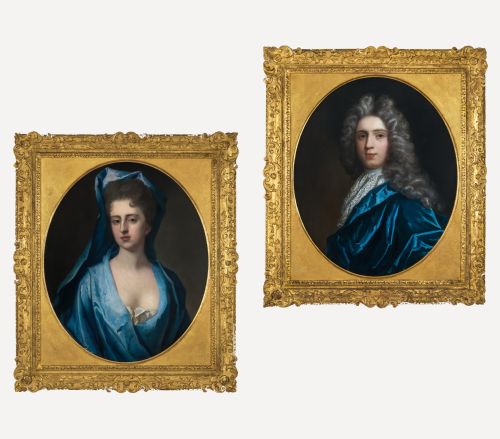
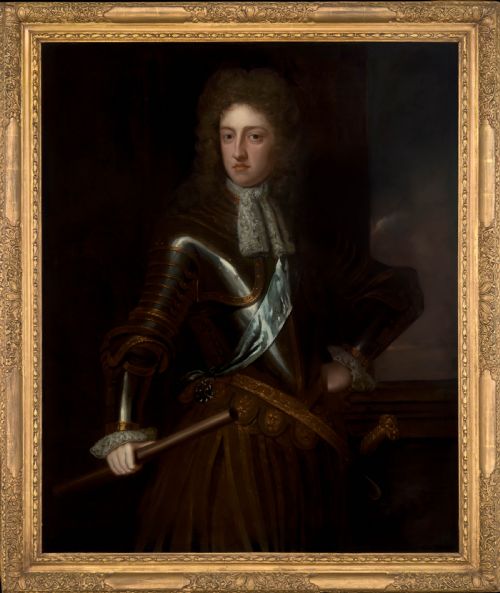
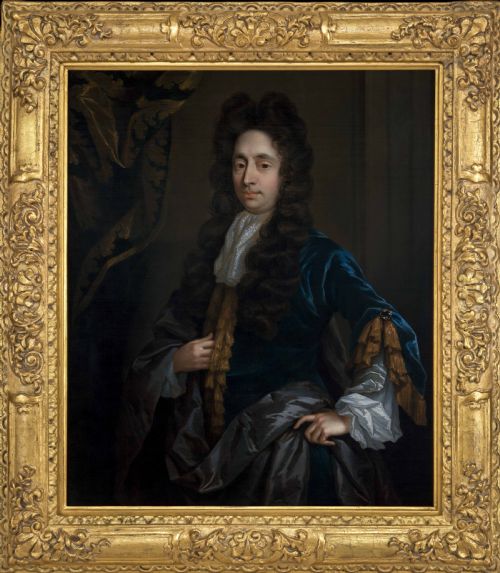
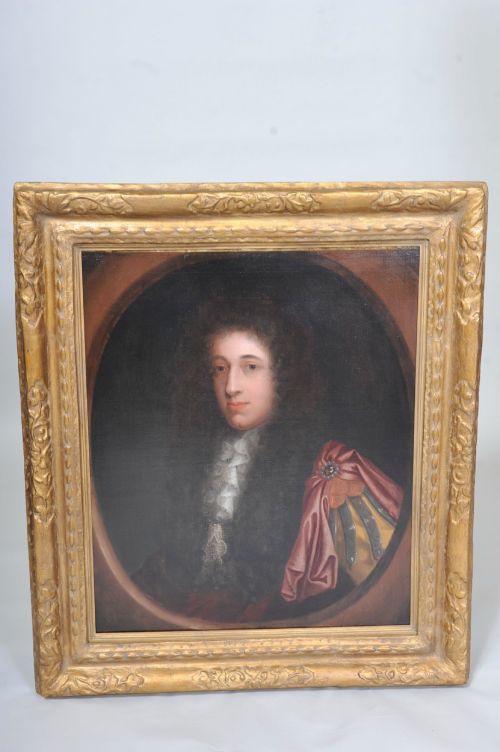
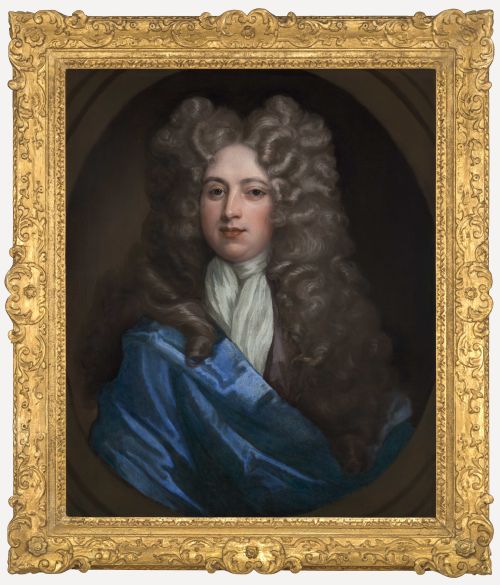
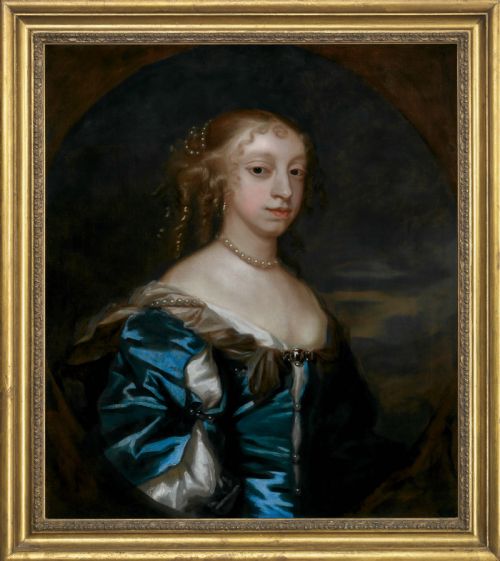
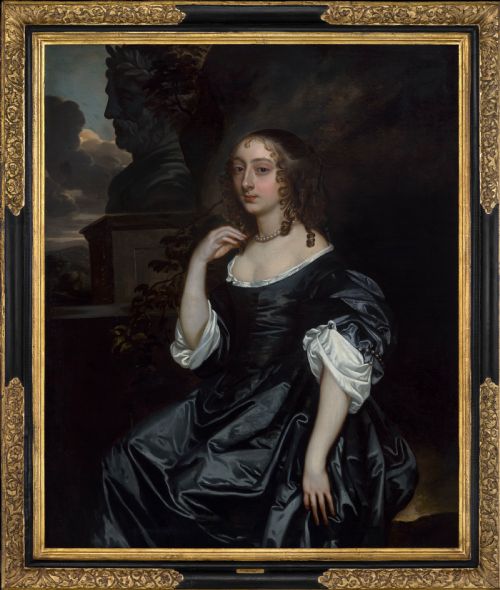
A framed baroque canvas painting encompasses historical oil works, predominantly formal portraits and classical mythology scenes originating from British, Dutch, Flemish, French, and Italian schools. These works date primarily from the seventeenth and eighteenth centuries, capturing subjects ranging from nobility and military officers to biblical and mythological figures.
The most prevalent examples on this page are oil on canvas portraits executed by prominent European studios and circle painters, often housed in heavy carved giltwood frames. Alongside individual portraits, buyers encounter double portraits, historical allegories, and still life compositions featuring flowers and fruit.
These canvases reflect the grand aesthetic of their era, utilising intense chiaroscuro and theatrical compositions designed to command attention in a room. Whether depicting a seventeenth century nobleman or an eighteenth century mythological scene, each piece acts as a direct link to historical European fine art.
Materials and technique
The foundation of these works is woven canvas stretched over a wooden frame, prepared with a gesso or ground layer before artists applied oil paint. Oil paint allowed painters to build deep, luminous glazes and achieve the rich tonal gradations characteristic of the period.
Surrounding these canvases are period-appropriate wooden surrounds, frequently finished in gold leaf or carved giltwood. These heavy frames were constructed to complement the grandeur of the artwork, using traditional joinery and intricate hand-carved ornamentation.
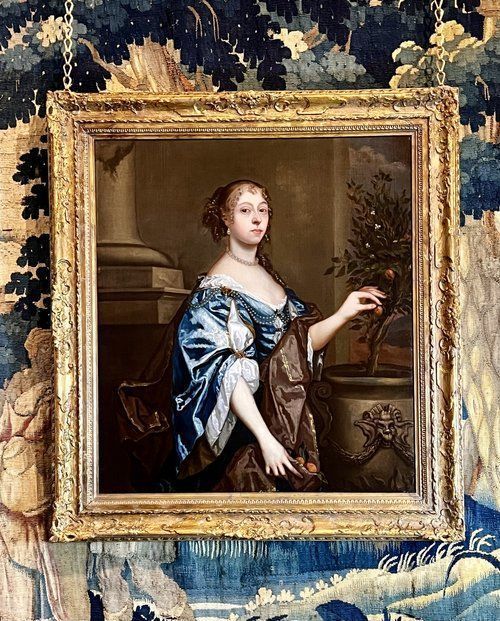
Several noble sitters gaze out while holding oranges, a subtle seventeenth century flex of wealth indicating exotic imported fruit.
Quality and craftsmanship
Quality in a historic canvas lies in the dexterity of the brushwork, the depth achieved through layered oil glazes, and the expressive psychological rendering of the subject's face and hands. Superior examples display confident draughtsmanship and sophisticated handling of light and shadow, distinguishing master studios from routine workshop production.
The relationship between the canvas and its housing also dictates the overall standard. Original or period-matching carved giltwood frames that retain their original gold leaf and hand-carved depth elevate the integrity of the piece compared to later replacements.
Jean Baptiste Van Loo·Sir Peter Lely·John Hayls·Jeremiah Davison·Michael Dahl·Thomas Murray·Sir Godfrey Kneller·Constantyn Netscher·Pieter Borsseler·John Scougall·Charles Antoine Coypel·Charles D Agar·Pietro Fachetti·Bartholomeus van der Helst·John Closterman·Robert Byng·John Michael Wright·Toussaint Gelton·Guillaume Courtois·Gaspar Peeter Verbruggen·Trajan Hughes
The Framed Baroque Canvas Painting Glossary
- Chiaroscuro
- A technique employing strong contrasts between light and dark to give subjects a three-dimensional volume and dramatic emotional intensity. This method is a hallmark of seventeenth century painting.
- Giltwood
- Wood that has been coated with a thin layer of gold leaf or gold paint. Frames created with this material provide the ornate, reflective borders typical of baroque display.
- Old Master
- A term applied to European painters of skill working before about eighteen hundred. These artists often belonged to specific continental or British schools documented in historical records.
- Provenance
- The chronological ownership and exhibition history of a work of art. Documented provenance establishes authenticity and traces the journey of the painting through the centuries.
- Studio of
- A designation indicating the work was produced in the workshop of a master artist, often under their direct supervision or following their established compositions.
Framed Baroque Canvas Painting: Frequently Asked Questions
How do I hang a heavy framed canvas?
These substantial works require secure fixings into structural wall studs or solid masonry using appropriate weight-rated picture hooks. Due to the combined weight of the canvas, wooden stretcher, and giltwood frame, professional installation is strongly recommended.
Position the painting at eye level to best appreciate the fine details of the oil paint and the craftsmanship of the frame. Ensure the display area avoids direct sunlight and excessive humidity fluctuations to protect the aged canvas.
How do I identify the period of the frame?
Examine the construction of the wooden corners, the tooling of the gesso, and the application of the gold leaf. Period frames often show authentic age-related craquelure, oxidation, and wear consistent with the centuries they have endured.
Compare the style of the carving against documented historical frame designs. Many baroque paintings retain their original frames, which share the stylistic vocabulary of the canvas within.
What is the difference between an artist and their circle?
An artwork attributed directly to a named artist was painted by their own hand. Works attributed to the circle of an artist were created by contemporaries working in close proximity, influenced by their style.
Pieces from the studio of an artist were executed by assistants under the master's supervision. All these categories reflect the collaborative nature of historic European art production.