
Framed Art Illustration
These framed art illustration pieces span watercolours and engravings from the eighteenth century to the mid-twentieth century, offering character and history for your wall.
Framed Art Illustration
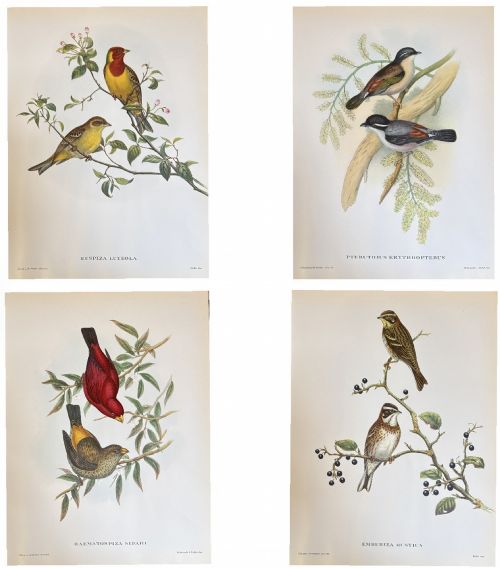
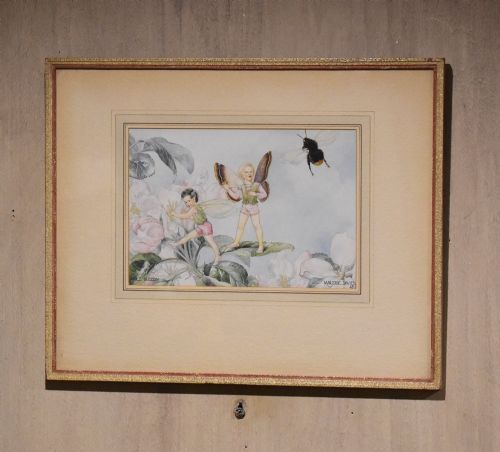
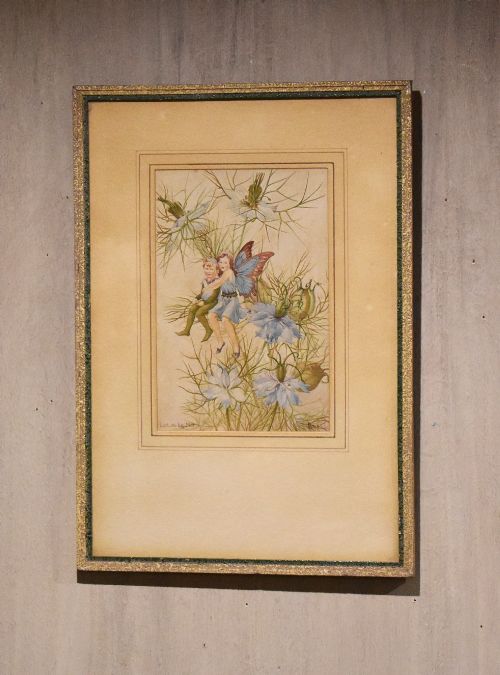
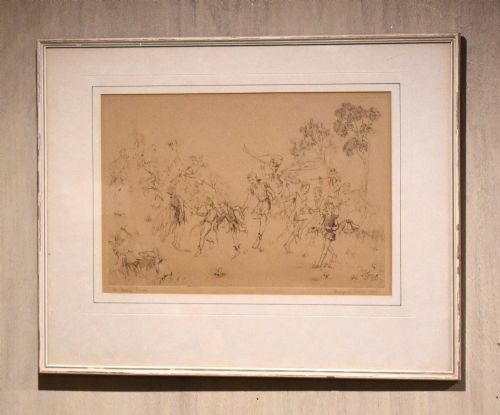
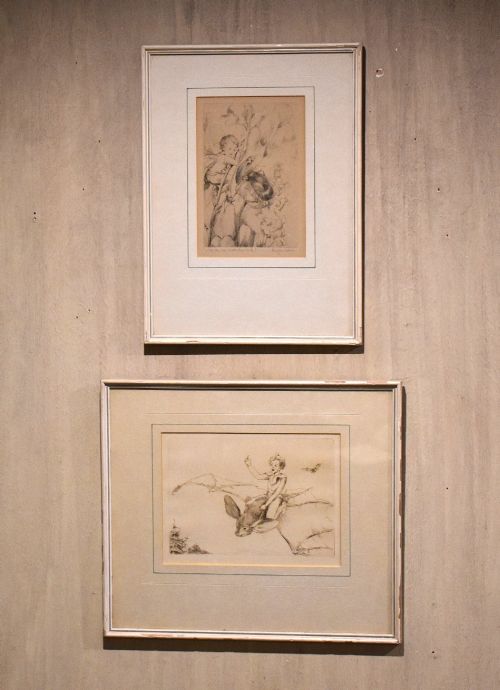
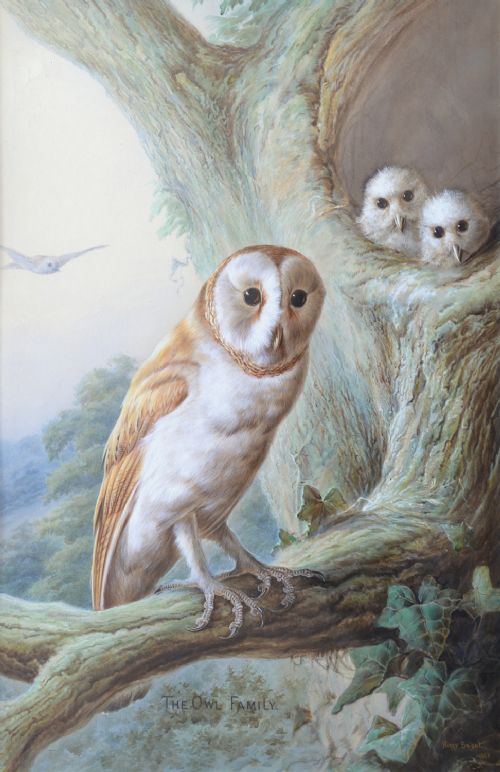
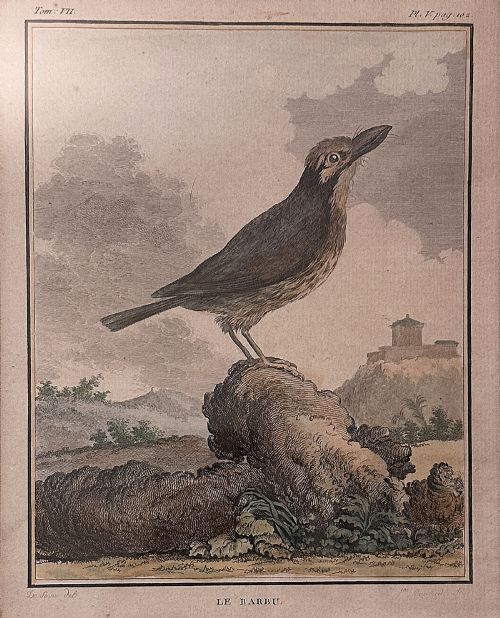
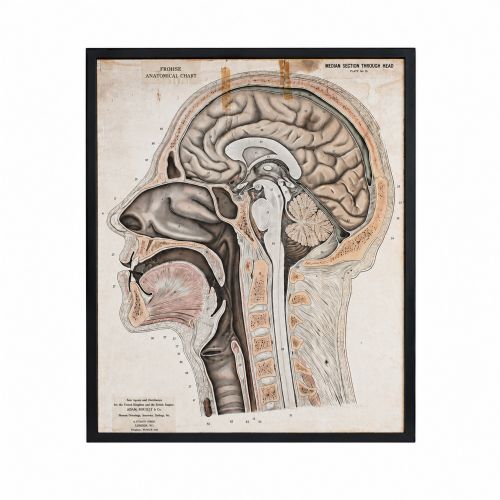
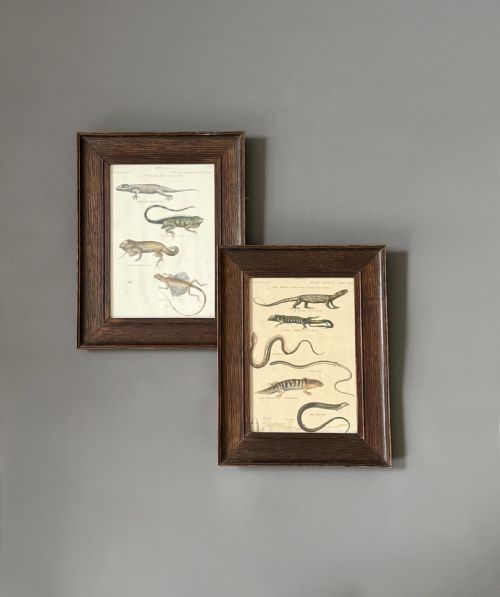
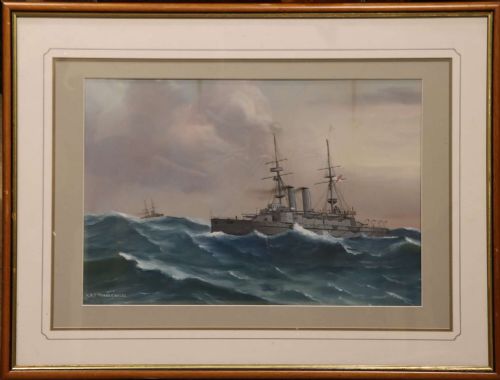
When you search for framed art illustration, you encounter works on paper preserved behind glass within timber frames. The selection ranges from early eighteenth-century botanical plates and equestrian drawings to mid-twentieth-century naval watercolours and theatrical posters.
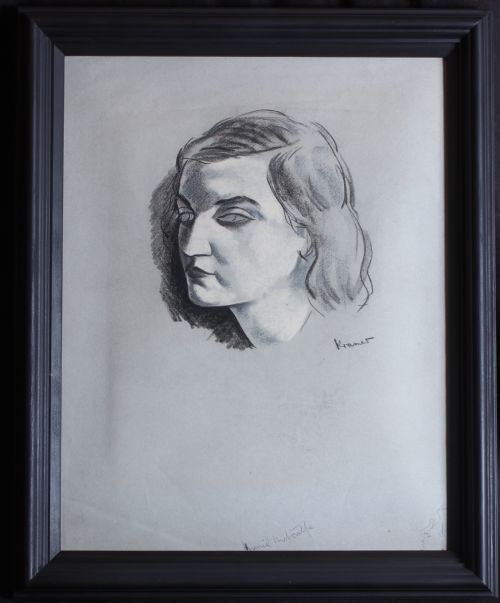
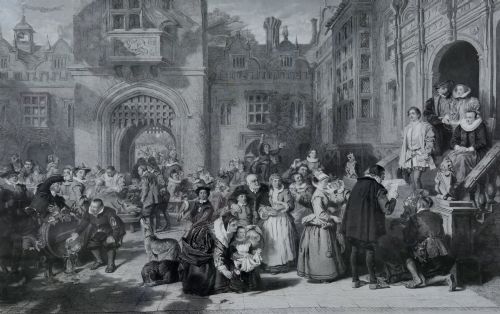
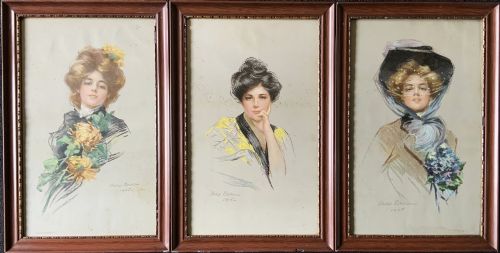
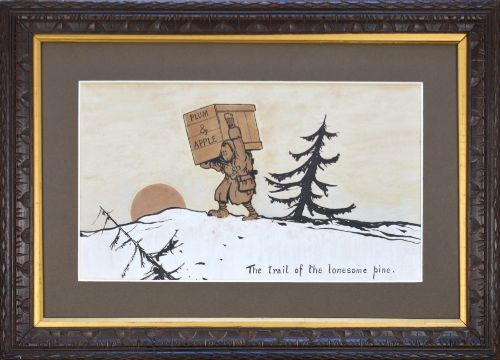
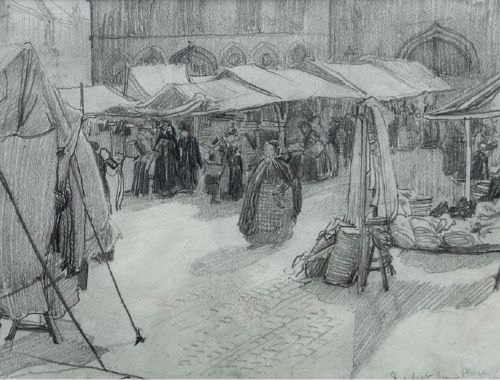
The material spans original watercolours, gouache and ink drawings, hand-coloured engravings, woodblock prints, and lithographs. Many pieces originate from British and European hands, capturing subjects from ornithology and portraiture to landscape and architecture.
You are most likely to meet nineteenth-century botanical watercolours and early twentieth-century illustrations framed in wood, often accompanied by gilt accents or simple rosewood mouldings.
How They Were Made
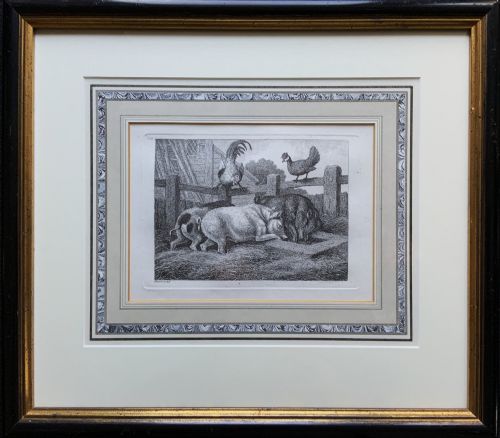
Makers applied watercolours, gouache, and ink directly onto paper surfaces, utilising fine brushes and pens to build up delicate botanical, animal, and figurative details. Engravings and lithographs relied on inked metal plates or stones to transfer impressions onto sheets.
Framing typically utilised traditional woods such as oak and rosewood, frequently incorporating gold leaf or gilt wood slips to border the artwork. Glazing with glass protected the fragile paper mediums from dust and atmospheric moisture over the centuries.
Materials commonly recorded across the inventory include paper, glass, wood, watercolour, ink, gouache, gilt wood, and gold leaf.
What Varies in Quality
The distinction between ordinary and exceptional works rests on the surety of the draughtsmanship and the expressiveness of the pigment. Stronger pieces display confident brushwork and precise line control, whether depicting an avian study or an architectural plate.
Condition of the paper and integrity of the original frame elevate the standing of a piece. Well-preserved sheets lacking excessive fading or acidic toning, paired with period-appropriate wooden framing, command greater appreciation.
Bruce Bairnsfather·Henry Percy Huggill·Hokusai·John Hassall·Sir William Nicholson·François-Nicolas Martinet·Elisabeth Sonrel·Andrew Bell·Marcellin Auzolle·Eric Tufnell·Fred Lawson·David Roberts·Frank Dobson·Sir Peter Markham Scott·John Meredith
The Framed Art Illustration Glossary
- Gouache
- An opaque water-based paint that includes a white pigment binder, producing a heavier and more matte finish than traditional watercolour.
- Lithography
- A planographic printing technique based on the chemical repulsion of oil and water, enabling the reproduction of illustrations from flat limestone or metal plates.
- Engraving
- A printmaking method where an artist cuts lines directly into a metal plate using a burin, holding ink within the grooves to transfer an image onto paper.
- Woodblock print
- A relief printing process where material is carved from a wooden block, leaving raised areas to hold ink for stamping onto paper.
- Buff paper
- A warm, pale brownish-yellow paper stock frequently utilised for drawings and sketches during the nineteenth and early twentieth centuries.
Framed Art Illustration: Frequently Asked Questions
How do I care for framed paper art?
Keep works out of direct sunlight to prevent the fading of watercolours, inks, and coloured papers. Maintain stable room temperatures to avoid humidity changes that might affect the paper or wooden frames.
Ensure the glazing remains intact and avoid hanging pieces in damp environments such as unheated kitchens or bathrooms.
Are these works original or reproductions?
The selection includes both unique hand-painted works and historical printed editions. Original watercolours, ink drawings, and gouaches are singular creations by the artist.
Engravings, lithographs, and woodblock prints are period editions produced from original plates or blocks during the eighteenth, nineteenth, or twentieth centuries.
How can I tell the period of a frame?
Older frames often feature hand-carved mouldings, pegged wooden corners, and heavier timber construction such as oak or rosewood. Regency and eighteenth-century examples frequently employ distinct gilt wood profiles.
Twentieth-century pieces generally shift towards simpler profiles, reflecting the aesthetic preferences of the Art Deco or Mid-Century Modern eras.
Can I reframe these historical pieces?
Many collectors prefer to preserve the original period frame whenever possible, as it contributes to the historic character of the artwork. If framing is unstable, consult a professional framer to utilise conservation-grade materials.
Ensure any new backing boards and mounts are acid-free to protect the underlying paper from degradation over time.