
Original Watercolour Illustration
An original watercolour illustration carries the direct touch of the artist, offering paper, pigment, and ink preserved from centuries past.
Original Watercolour Illustration
An original watercolour illustration is a singular work on paper, created by hand using water-soluble pigments, ink, or pencil. When you search for this phrase, you encounter works spanning from the eighteenth century through the twentieth century, with Edwardian and nineteenth-century pieces appearing frequently alongside later mid-century examples.
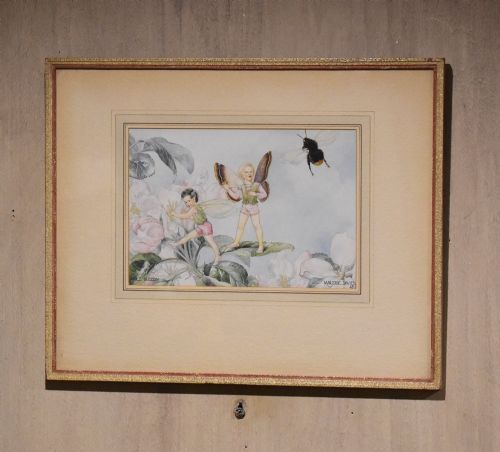
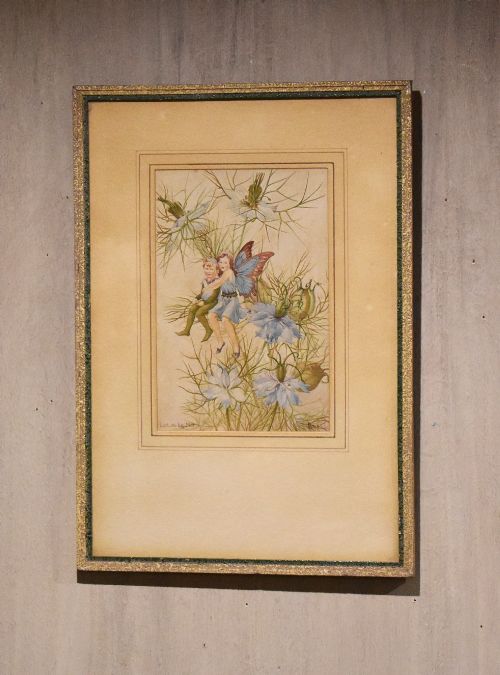
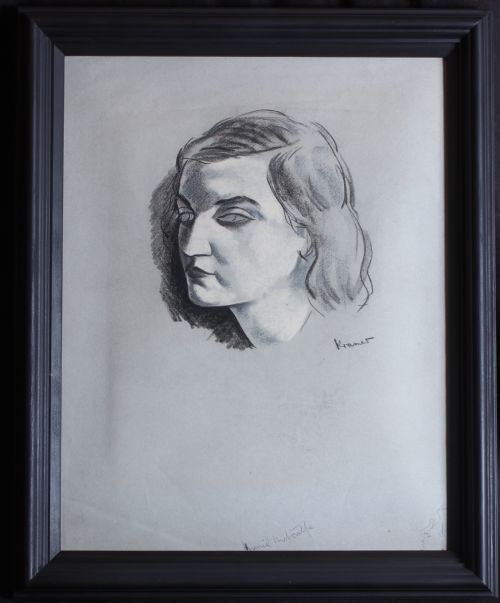
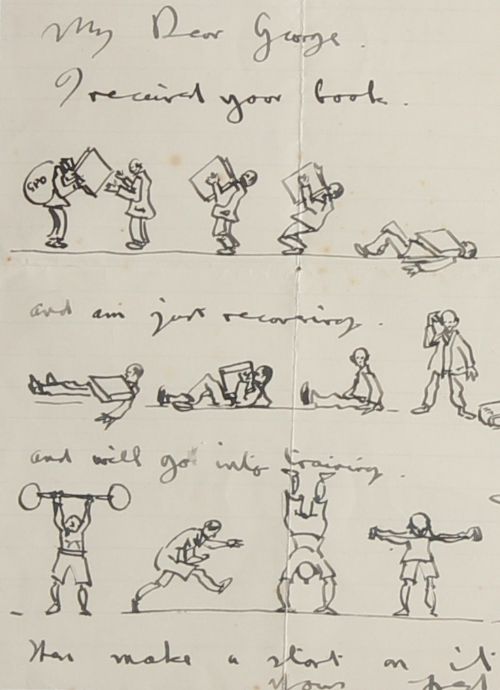
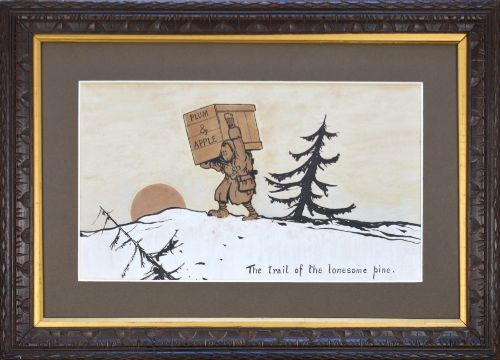
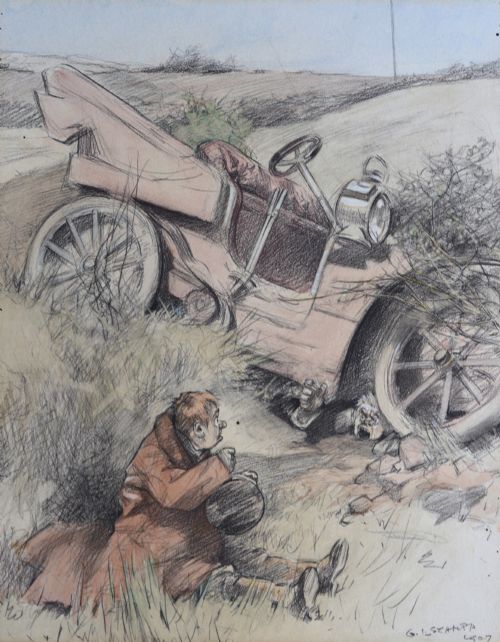
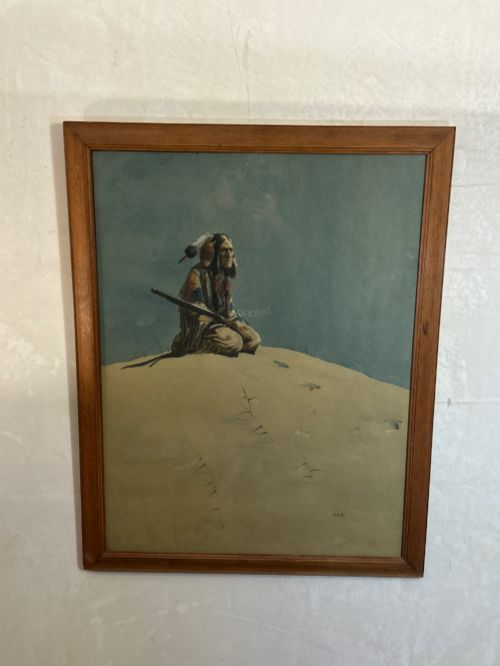
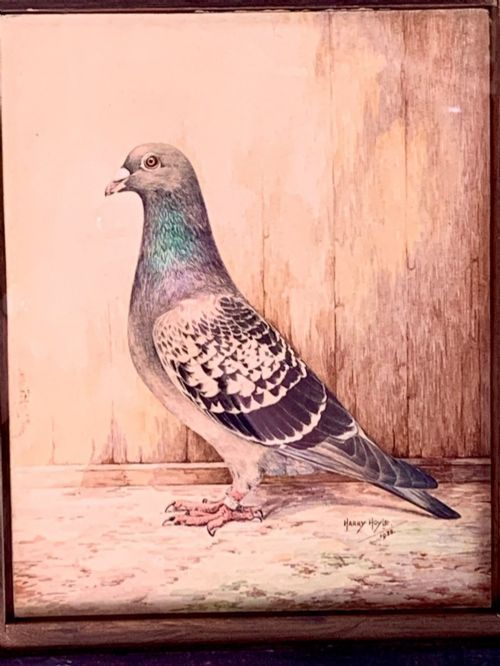
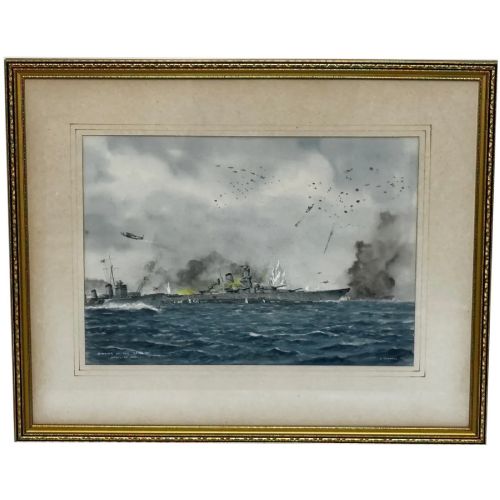
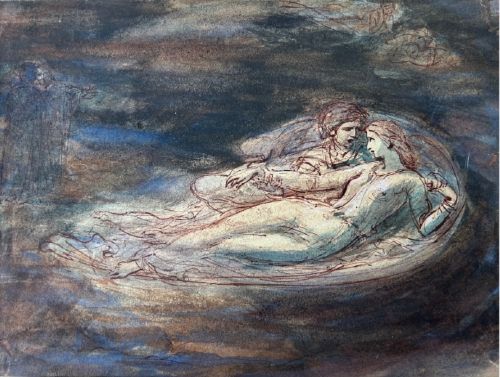
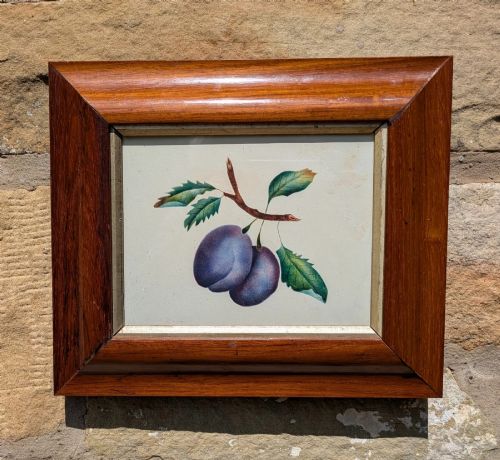
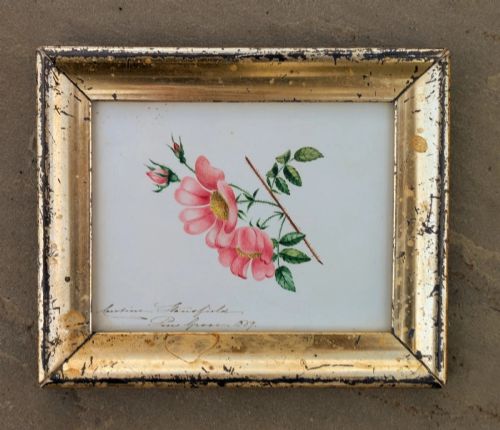
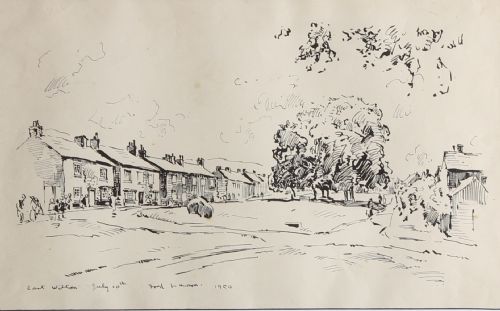
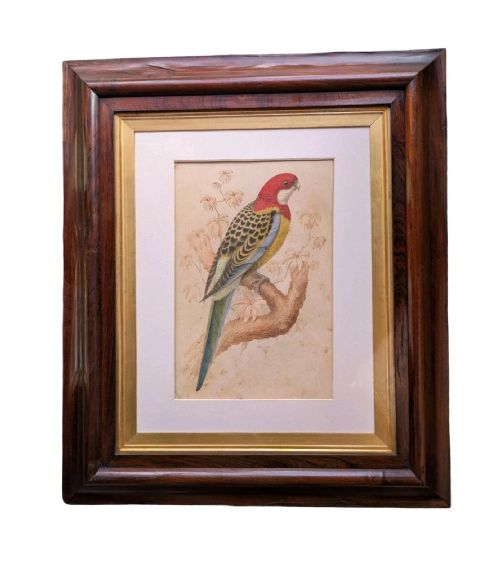
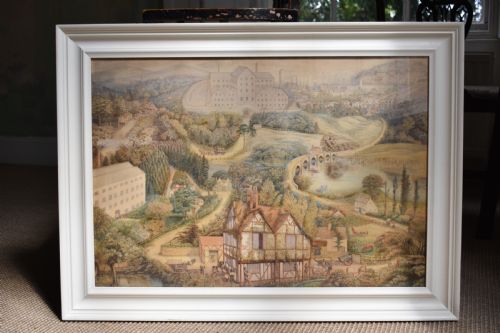
The subjects found in these selections range widely across genres, encompassing botanical studies of roses and plums, natural history depictions of birds and parrots, and narrative book or magazine illustrations. Portraiture, military scenes, landscapes, and caricatures also feature prominently among the paintings and framed artwork available.
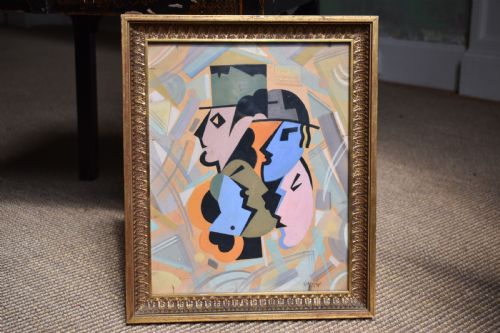
Originating largely from British and European hands, these pieces often reflect distinct periods such as Victorian, Regency, Art Deco, and Mid-Century Modern. Whether presented as a standalone framed picture or part of a series, each item documents a specific hand-drawn moment in time.
How They Were Made
These works rely fundamentally upon paper supports combined with watercolour pigment, often enhanced with ink, pencil, and gouache to build line and tone. Artists laid down fluid washes of colour, using the white of the paper to supply highlights.
Framing materials play an integral role in the presentation and survival of these watercolours, with period woods such as rosewood and oak, alongside gilt accents and protective glass, frequently encasing the artwork.
Listings feature works executed on paper using watercolour, ink, pencil, and gouache across periods from the eighteenth century to the mid twentieth century.
What Varies in Quality
Quality rests in the surety of the draughtsmanship and the expressive control of the watercolour medium, where confident brushwork and precise ink lines distinguish a master hand from a routine study. The preservation of the paper support and the vibrancy of the pigment against fading also dictate the standing of a piece.
Context adds further distinction, as works connected to known publications, identifiable historical subjects, or documented exhibitions carry greater narrative weight than anonymous or generic decorative sketches.
Fred Lawson·Bruce Bairnsfather·George Lorain Stampa·John Hassall·Eric Tufnell·Cecil Beaton·Ralston Gudgeon·Warwick Goble·Raoul Millais·Helena Maguire·Harry Bright·Charles Clifford Turner·Paul Slater·Mary Wheelhouse·Mabel Lucie Attwell·Charles Edmund Brock·George M Brighty·EE Briscoe
The Original Watercolour Illustration Glossary
- Watercolour pigment
- Finely ground colour particles mixed with a water-soluble binder, applied in translucent washes to create luminosity on paper.
- Gouache
- An opaque water-soluble paint often used alongside watercolour to add solid highlights and flat areas of dense colour.
- Wash
- A thin, fluid layer of diluted pigment spread evenly across the paper to establish background tones or skies.
- Support
- The physical base material, typically handmade or machine-made paper, upon which the artist executes the drawing and painting.
- Provenance
- The documented history of a piece, including previous owners, exhibitions, and publication records that establish authenticity.
Original Watercolour Illustration: Frequently Asked Questions
What is an original watercolour illustration?
An original watercolour illustration is a unique, hand-painted artwork created on paper using water-soluble pigments, often accompanied by ink or pencil lines. These pieces were frequently produced for books, magazines, or as independent artistic studies.
Unlike printed reproductions, every brushstroke and wash belongs directly to the artist's hand, making each piece entirely one-of-a-kind.
How should I display watercolour art?
Watercolours require careful placement away from direct, strong sunlight to prevent the pigments from fading over time. Framing behind protective glass with acid-free mounts ensures the paper remains safe from environmental moisture and pollutants.
Keeping them in stable indoor conditions preserves both the delicate paper support and the original colours.
How do I date an antique watercolour?
Dating relies on examining the paper type, framing style, handwritten signatures or inscriptions on the reverse, and the clothing or subjects depicted. Stylistic markers tied to periods like the Victorian era or the 1920s also offer strong chronological clues.
Comparing the handling of the medium to dated works by similar hands helps narrow down the timeframe.
Were these watercolours meant for books?
Many watercolours from this tradition served as preliminary designs or finished plates for publication in annuals, fairy tale collections, and periodicals. Publishers commissioned artists to create narrative scenes that were later reproduced for readers.
Other pieces existed purely as independent landscape, botanical, or portrait studies created by the artist outside commercial commissions.