



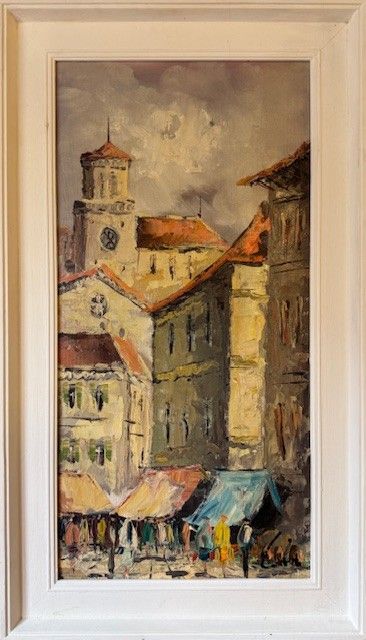


Antique Continental Artwork
These antique continental artwork pieces span centuries of European painting and carving, offering buyers historic canvases, carved figures and detailed watercolours for traditional interiors.
Antique Continental Artwork
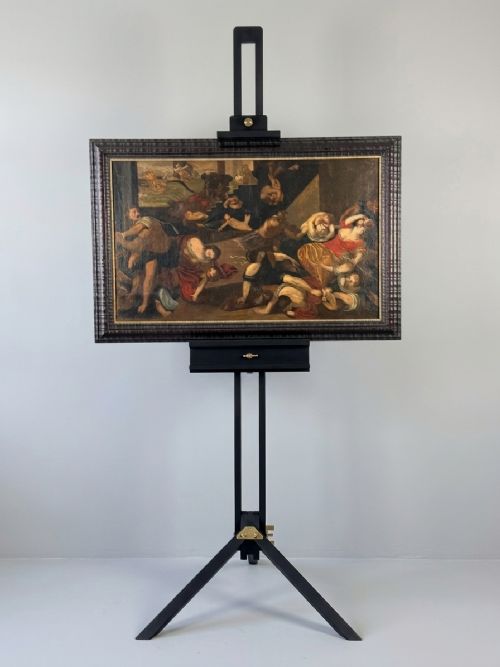
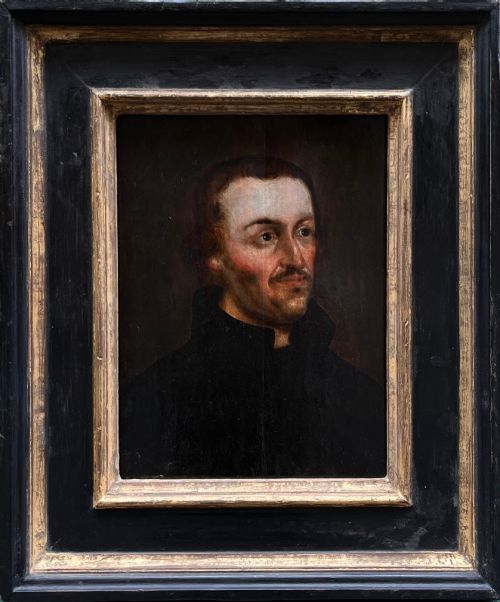
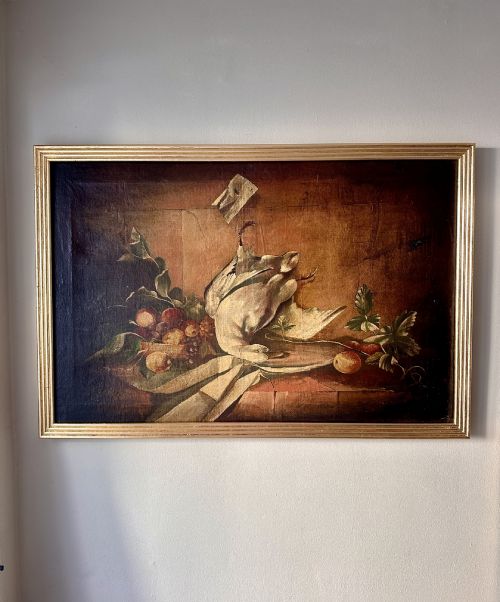
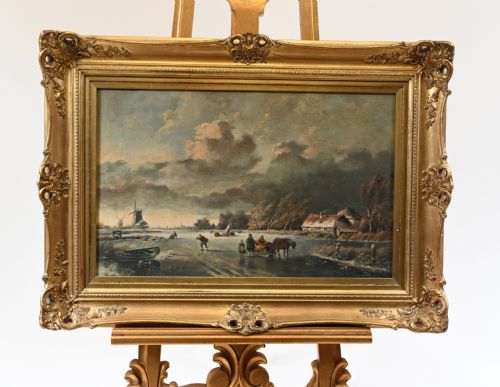
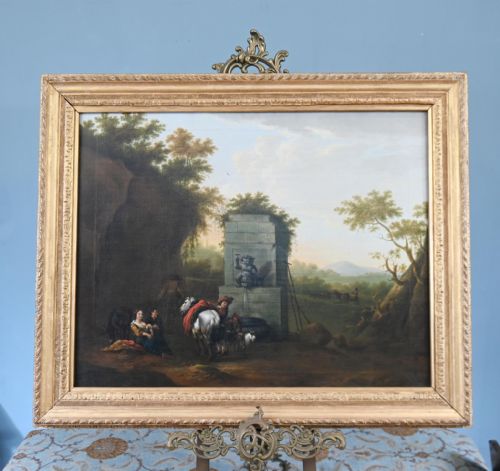
When searching for antique continental artwork, buyers encounter a diverse selection of oil paintings, framed artwork and sculptures originating from various European schools and periods. The most frequent pieces on this page are 19th-century and 18th-century oil paintings on canvas, panel or board, depicting landscapes, portraits, genre scenes and still lifes.
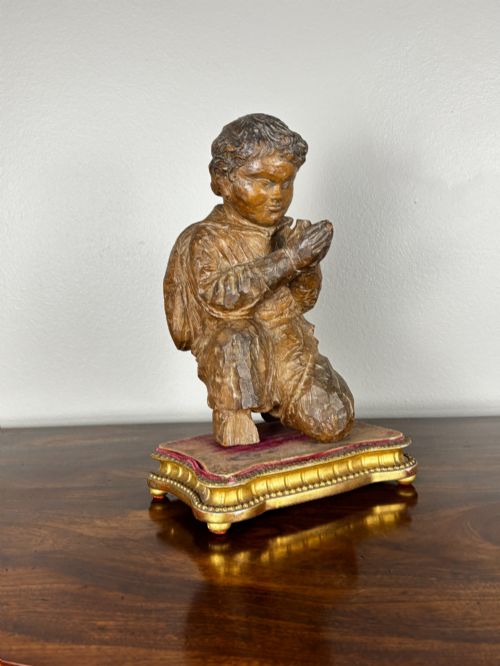
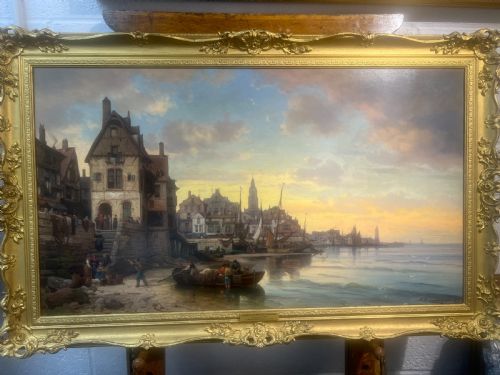
The selection extends from 17th-century religious paintings and Dutch school landscapes to Victorian architectural views and early 20th-century townscapes. Alongside flat works, the inventory includes lime wood carved figures and miniatures, reflecting broader traditions of European craftsmanship.
Pieces frequently carry attribution to specific European schools or named artists, ranging from Italian harbour scenes to German mountain landscapes. This variety allows collectors to focus on particular regional styles, centuries or subject matters within continental art.
Materials and methods
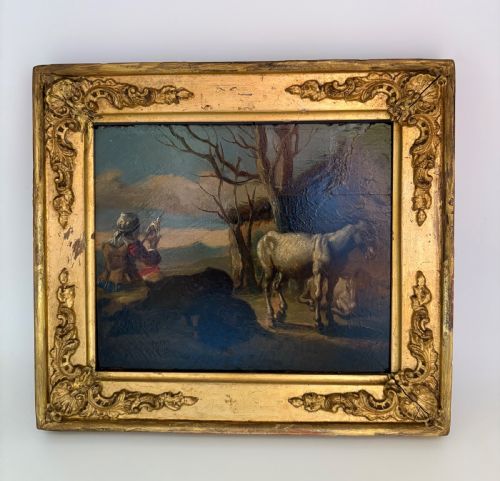
Painters utilised oil paint applied to canvas, wood panels, copper, tin or board, often housed in original giltwood frames ornamented with gesso and gold leaf. These traditional supports and mediums define the physical structure of the flat artworks.
Carved pieces employ materials such as lime wood, shaped with hand tools to create detailed religious or figurative sculptures. Watercolours and pencil drawings on paper represent the lighter graphic works produced across the continental traditions.
Several panels preserve quiet scenes of daily life, capturing Italian women near vineyards and gentlemen engaged in card games.
Quality and execution
The standard of painting execution distinguishes finer works from simpler decorative pieces, visible in the handling of light, shadow and perspective within landscapes or portraits. Stronger brushwork and confident composition elevate a piece above standard regional production.
The condition and retention of original elements, such as period gilt frames, gesso enrichments and authentic signatures, influence the integrity of an artwork. Depth of detail in carved wood figures similarly marks the distinction between workshop output and master carving.
Charles Euphraisie Kuasseg·Jan Miel·Philipp Peter Roos·William George Meadows·William Raymond Dommersen·Armand Guillaumin·Karel Frans Philippeau·Ludwig Hermann·Marcel Brunery
The Antique Continental Artwork Glossary
- Continental School
- A term used to describe artwork produced in mainland Europe, distinguishing it from British or domestic production.
- Giltwood
- Wood that has been coated with gold leaf or a gold-coloured substance, commonly found on antique picture frames.
- Oil on Panel
- A painting executed on a wooden board or panel rather than stretched canvas, prevalent in earlier centuries.
- Gesso
- A plaster-like mixture applied to wood or canvas to prepare a surface for painting or gilding.
- Miniature
- A small-scale painting, often executed with great precision on a restricted surface area.
Antique Continental Artwork: Frequently Asked Questions
What periods do these artworks cover?
The listings encompass items produced from the 17th century through to the early 20th century. This spans Baroque works, 19th-century realism and later European school productions.
Buyers find dates ranging across the 1700s, 1800s and early 1900s, reflecting changing artistic movements across continental Europe.
How are these paintings framed?
Many pieces retain their original surrounds, often constructed from giltwood with gesso and gold leaf detailing. These frames match the period of the artwork.
Some works are offered in period frames that complement the painting style, while others may be unframed or mounted on panels.
Where did these continental artworks originate?
The items originate from various regions across mainland Europe, including Germany, Italy, the Netherlands and France. European schools of painting heavily influence the geographical styles.
Artists frequently documented local landscapes, harbours, townscapes and religious subjects specific to their home countries.
What subjects are most common?
Common subjects include pastoral landscapes, mountain views, architectural townscapes, maritime harbour scenes and still lifes of fruit and game. Religious figures and portraits also feature prominently.
Rival artistic traditions from the Dutch and Italian schools contribute significant numbers of landscape and genre paintings.