




Framed Wall Chart
A framed antique wall chart brings centuries of cartography, genealogy and technical illustration into a domestic room.
Framed Wall Chart
When you search for a framed antique wall chart, you encounter large-scale paper sheets that once served educational, administrative or decorative purposes. The examples found here span the seventeenth, eighteenth and nineteenth centuries, alongside mid-century pieces.
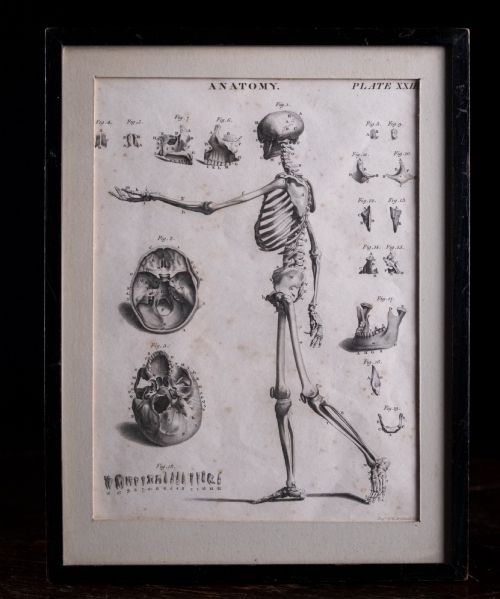
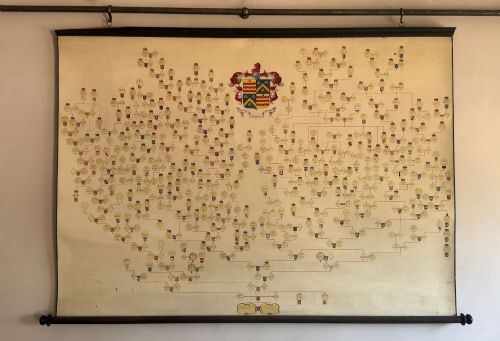
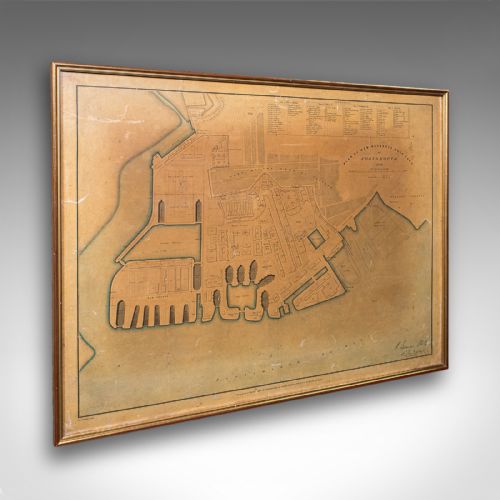
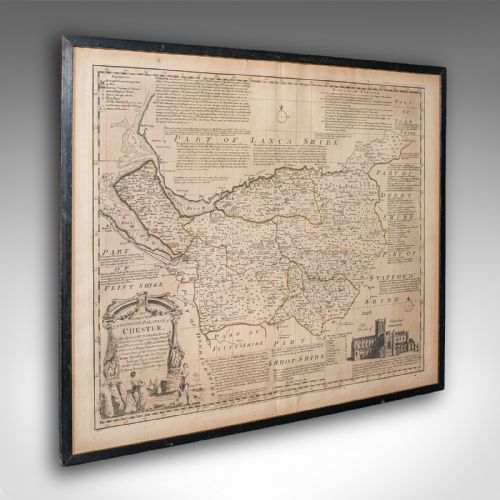
Most items on this page take the form of cartography, including county maps, town plans, world charts and regional maps. Alongside these geographical sheets, you find anatomical engravings, family pedigrees, heraldic charts and instructional posters.
The framing varies considerably, ranging from simple timber mouldings to ornate giltwood and gold leaf frames under glass. These settings transform working reference documents into finished pieces of wall art suitable for hanging.
How they were made
Makers housed these sheets behind glass within wooden frames constructed from oak or gilded mouldings. The mounting protected the fragile paper substrate from ambient moisture and handling damage over the centuries.
One extraordinary paper sign is titled The Christians Clock of Time.
What varies in quality
The distinction between ordinary and exceptional examples rests upon the clarity of the original impression and the survival of the paper. Crisp lines in the ink engraving and minimal foxing or staining elevate a piece significantly.
The quality of the framing contributes heavily to the overall character. Heavy gold leaf frames and period-appropriate woods enhance the visual presence of the sheet, whereas unsympathetic modern framing diminishes the historical context.
Andrew Bell·Thomas Jefferys·Robert Morden·William Hole·Colton·Jas Wyld·C. Smith
The Framed Wall Chart Glossary
- Cartography
- The science or practice of drawing maps. In these listings, it covers both British county maps and continental atlas pages.
- Giltwood
- Wood carved and covered with a thin layer of gold leaf or gold paint. This material appears on decorative frames from various periods.
- Pedigree
- A line of ancestors or a genealogical table. Several items trace family trees and clan descents across multiple centuries.
- Engraving
- A print made from an engraved plate, where the design is incised into metal. This technique produced the fine lines visible on early maps and anatomical sheets.
- Foxing
- Brown spots or discoloration on old paper caused by chemical reactions over time. Its presence is common in historical paper goods.
Framed Wall Chart: Frequently Asked Questions
How do I date an old map?
Cartographers often included publication dates, title cartouches or historical landmarks within the engraving. Stylistic clues in the typography and territorial boundaries help confirm the era of production.
Comparing the placenames to known historical editions provides a reliable window for the printing date.
Are these charts original period prints?
The inventory consists of period engravings, maps and posters rather than modern reproductions. Each piece dates from the era stated in its description, utilising historical paper and printing methods.
Examine the ink distribution and paper texture to observe the genuine age of the substrate.
How should I hang framed paper?
Keep framed paper away from direct sunlight to prevent the ink and any hand-applied colouring from fading over time. Stable indoor humidity protects the paper and the wooden frame from warping.
Ensure the wall fixings match the weight of the timber and glass combination.
What is the difference between a map and a chart?
Maps primarily depict land areas, counties, towns and nations for geographical reference. Charts frequently present specialised information, such as marine navigation routes, harbour details, genealogical trees or anatomical diagrams.
Both formats were mounted on walls for educational or working reference.