

Framed English Art
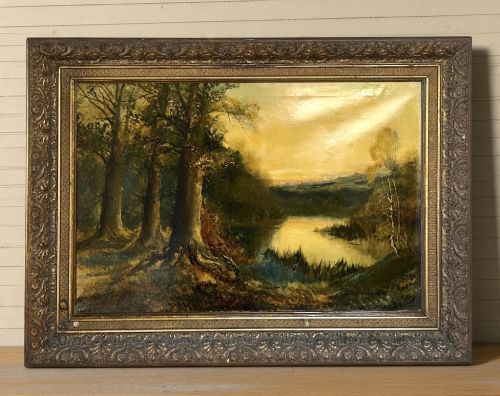
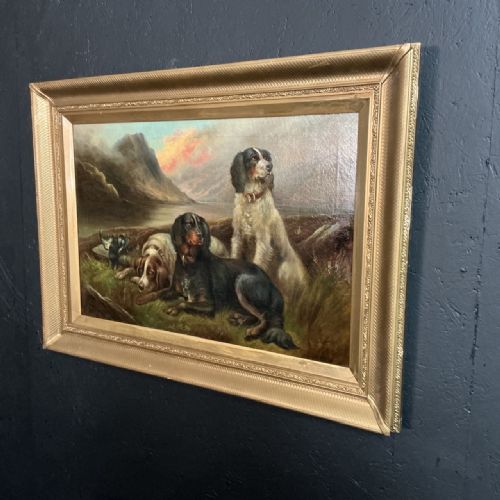
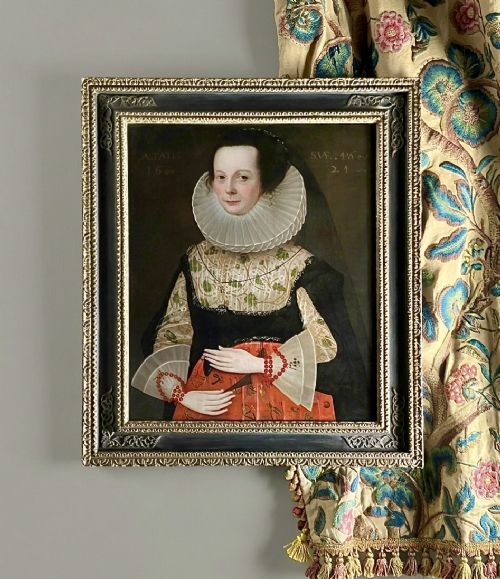
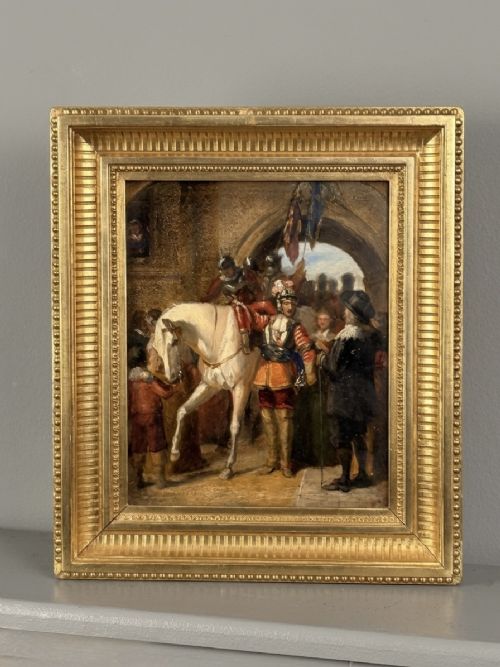
Framed antique English art spans centuries of portraiture, landscapes, and sporting scenes housed in period frames.
Framed English Art
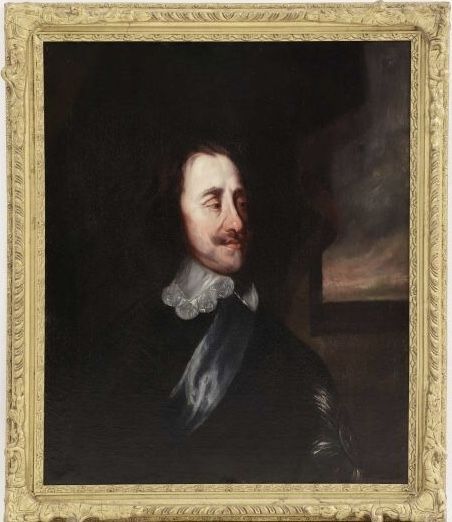
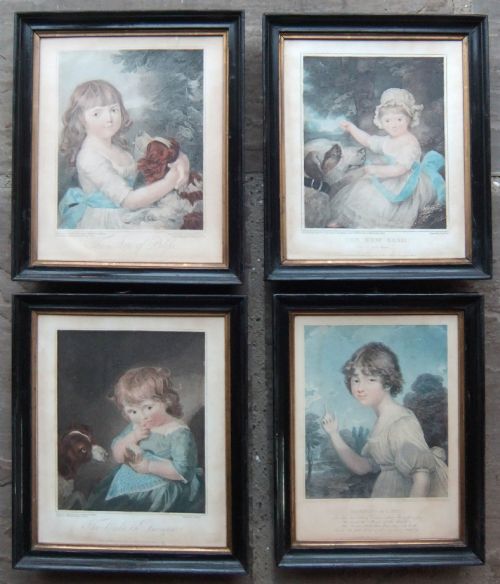
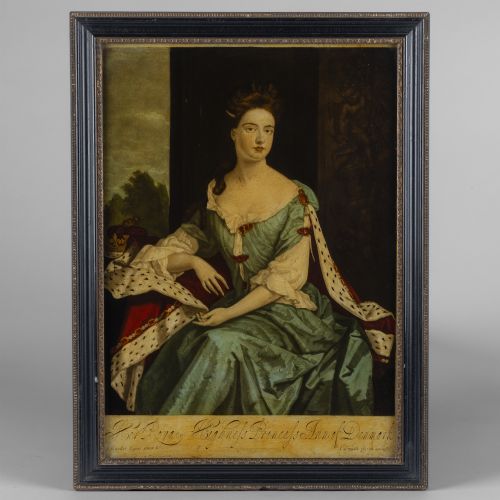
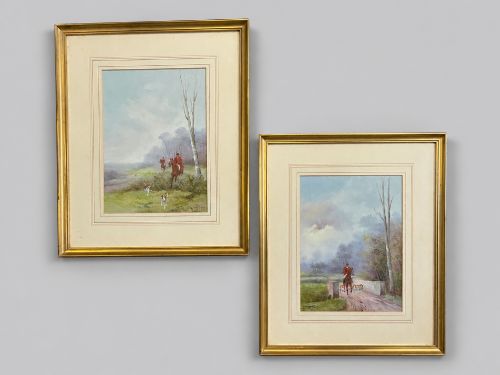
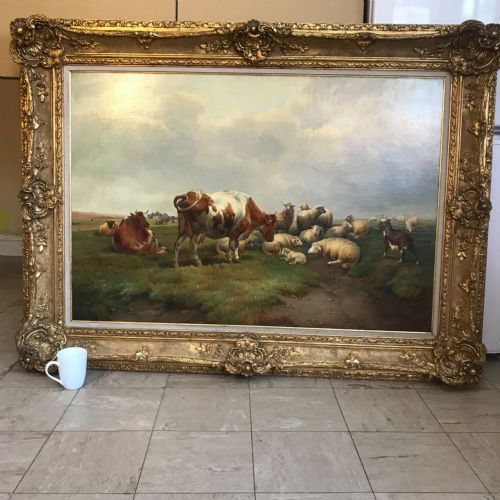
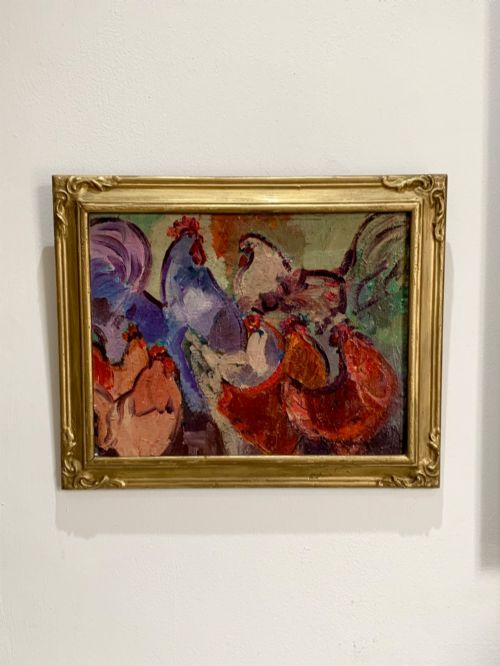
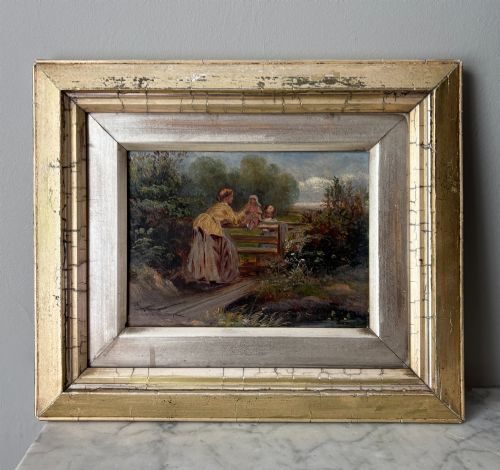
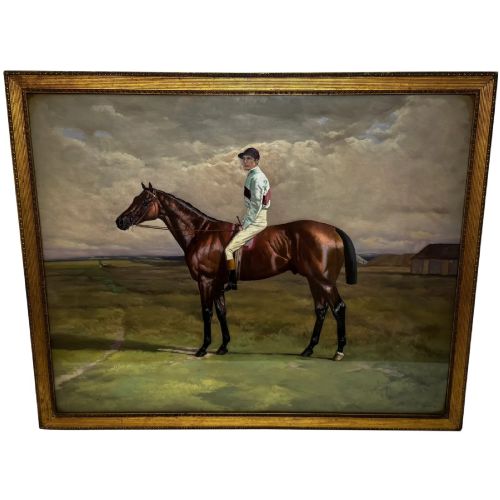
Framed antique English art covers a broad range of historical visual works, from oil paintings on canvas to watercolours, engravings, and maps. Buyers searching this phrase encounter everything from 17th-century aristocratic portraits to 19th-century pastoral landscapes and sporting scenes.
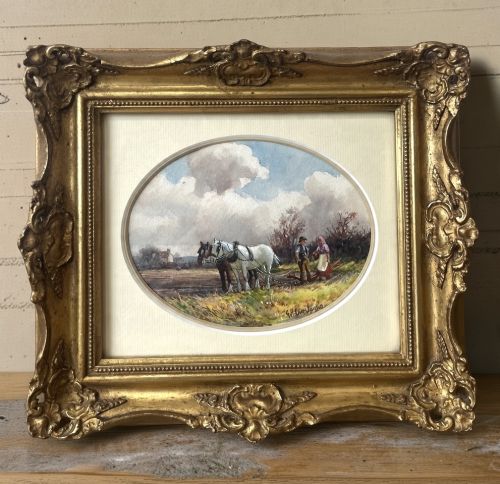
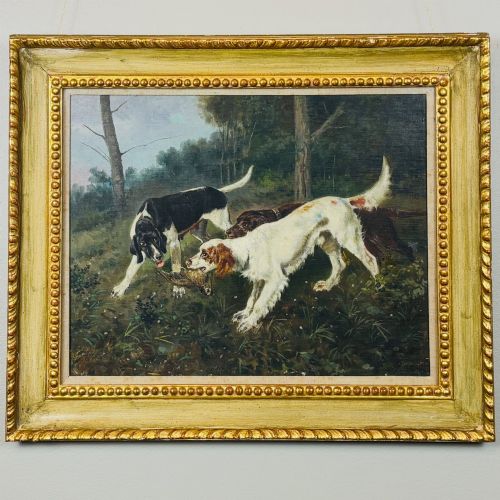
The most common pieces on this page are 19th-century oil paintings and Victorian landscapes, alongside earlier Stuart and Jacobean portraits. Subjects extend from cattle and horses to townscapes and architectural views of London.
Materials and construction methods
The physical works are typically executed in oil paint on canvas or panel, watercolour on paper, or ink and pastel. Pigments were hand-ground and applied to prepared surfaces using traditional binders.
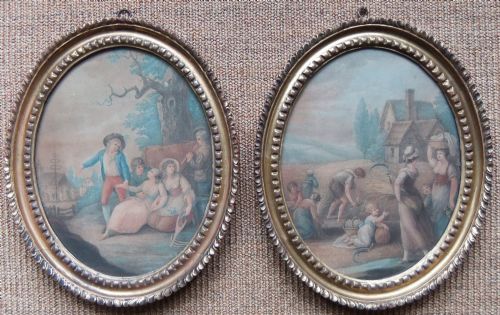
Surviving works are completed by their original or period surrounds, including ornate giltwood, Hogarth frames, and gold-plated oval borders that complement the era of the artwork.
Framed English Art Retail Price Guide 2026
Typical asking prices for framed english art among the pieces listed under this phrase on Sellingantiques today, from the lower quarter to the upper quarter. They describe what is for sale here now, not the wider market.
Listings include works from the 17th Century, 18th Century, and 19th Century, utilising oil on canvas, paper, and giltwood.
Factors influencing execution and finish
Execution varies between accomplished works by named artists or recognised schools and simpler primitive or naive pieces. Brushwork refinement, anatomical accuracy in animal and human subjects, and composition depth separate the output of professional studios from provincial productions.
The integrity of the original support, the stability of the paint or paper, and the preservation of the matching period frame contribute significantly to the overall standard of each piece.
Cornelius Johnson·Sir Peter Lely·George F. Bird·William Mellor·Robert Alexander Hillingford
The Framed English Art Glossary
- Oil on Canvas
- Pigment mixed with a drying oil applied to stretched fabric. This medium allows for rich blending and textured brushwork.
- Giltwood
- Wood that has been carved and coated with a thin layer of gold leaf. It provides a bright, reflective border suited to formal portraiture.
- Watercolour
- Paint made with water-soluble pigments on paper. It creates transparent washes often used for topographical views and landscape studies.
- Engraving
- An image incised into a metal plate with a sharp tool and printed on paper. This technique enabled multiple detailed impressions of a scene.
- Primitive
- Art created outside formal academic traditions with simplified perspective and direct form. These pieces offer an unpretentious view of everyday subjects.
Framed English Art: Frequently Asked Questions
How do I date a framed antique painting?
Dating relies on stylistic clues within the subject matter, such as costume, hairstyles, and architectural details. Material analysis of the canvas, stretcher frames, and pigments also helps confirm the period.
The surrounding frame often provides a secondary indicator, as historical framing styles evolved alongside painting techniques from the Stuart era through the Victorian period.
What is English School art?
English School refers to artists working within Britain who shared common stylistic influences during a particular era. It often denotes a painting by an unidentified hand trained within the British artistic tradition.
These works range from provincial portraits to detailed landscapes produced by practitioners following regional teaching methods.
How should I care for antique watercolours?
Watercolours on paper are sensitive to light and moisture. They require hanging away from direct sunlight to prevent the pigments and paper from fading.
Framing with acid-free materials and UV-protective glass helps preserve the integrity of the paper over time.
Are these paintings in their original frames?
Many pieces retain period frames, such as ornate giltwood or Hogarth styles, which match the age of the artwork. Over the centuries, some works were reframed to suit changing interior tastes.
Examining the fit at the back of the piece helps determine whether the frame and artwork have a long shared history.