
Framed Country Art
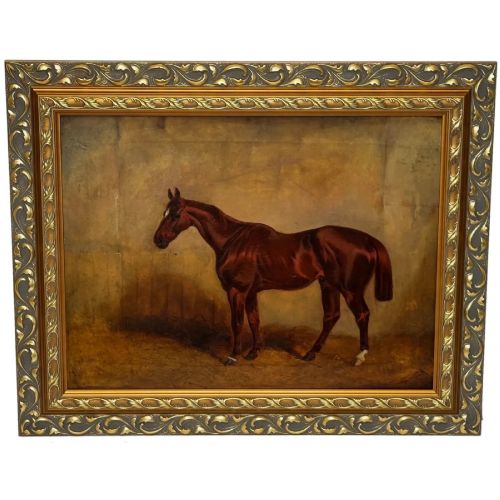
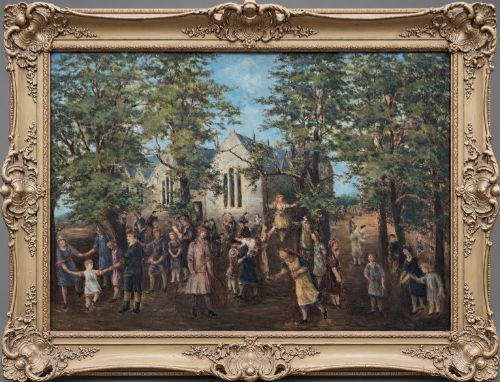
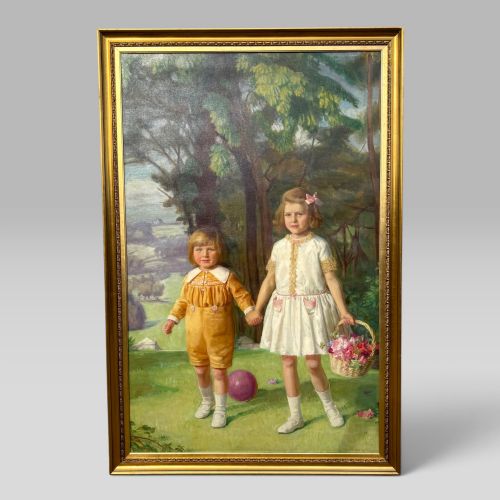
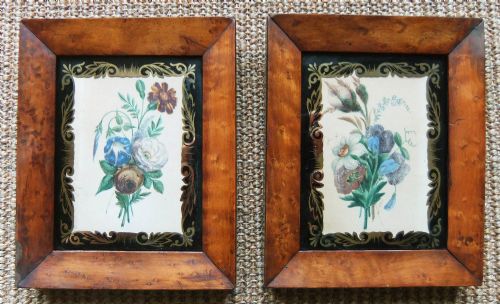
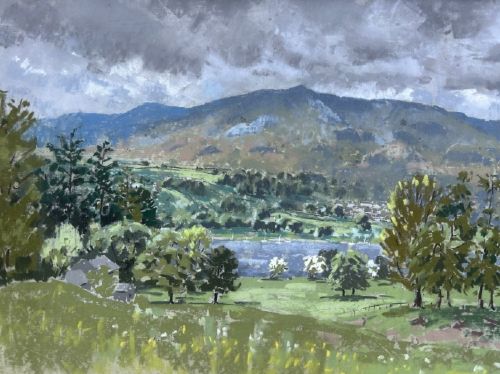
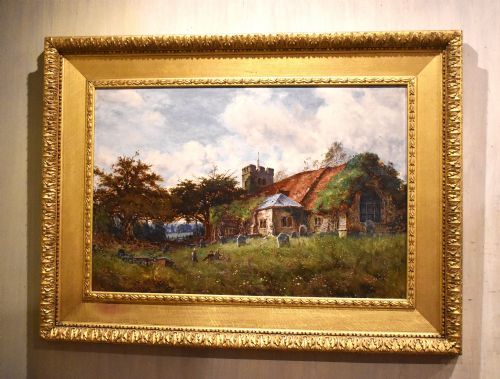
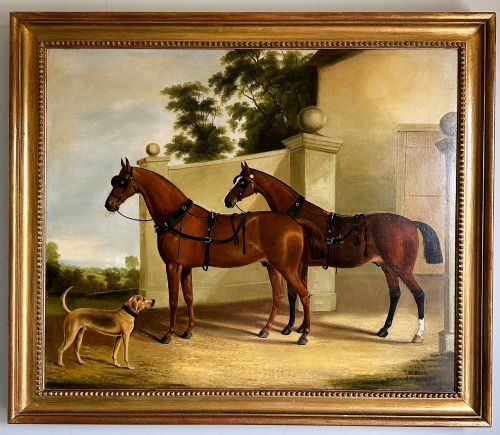
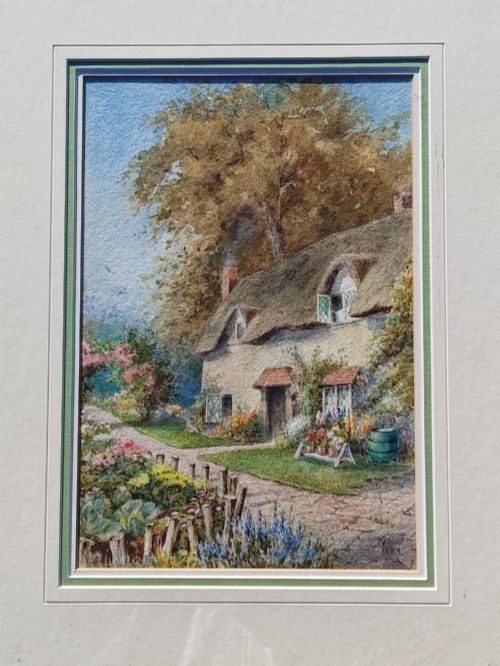
Framed antique country art brings domestic agricultural scenes, rural landscapes and animal portraits into a room through Victorian and Edwardian works.
Framed Country Art
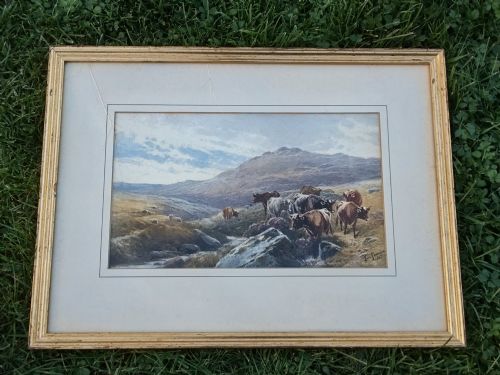
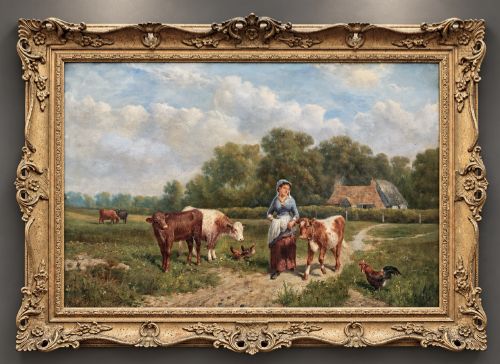
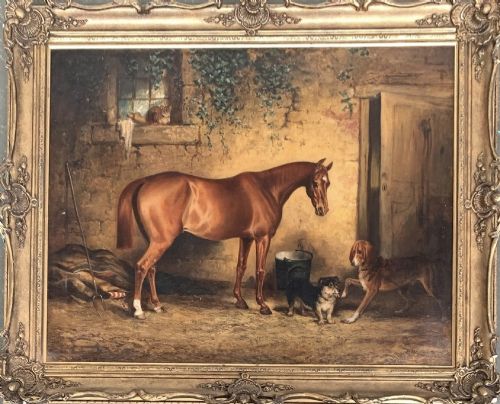
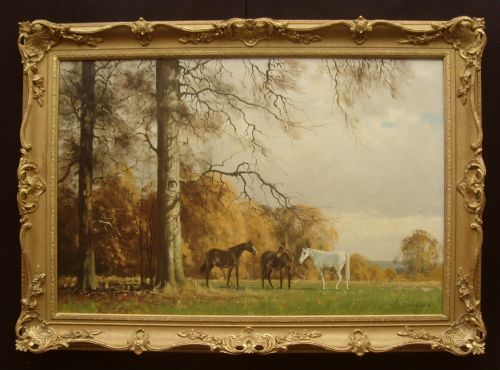
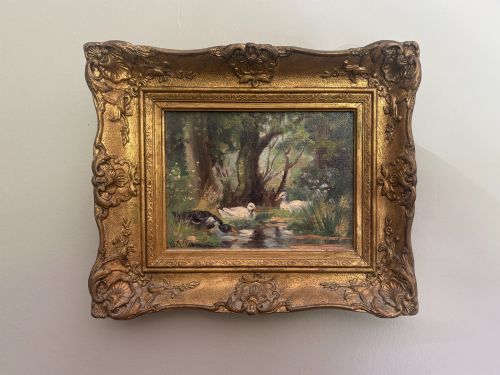
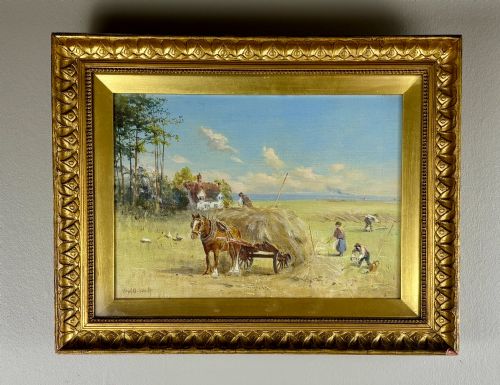
Framed antique country art covers oil paintings, watercolours, etchings and lithographs depicting rural life, farmland and animals from the nineteenth and early twentieth centuries. Buyers encounter village paths, agricultural labourers, farmyards, cottages and domestic livestock recorded by British and European artists.
The selection ranges from detailed nineteenth-century realismlandscapes to early twentieth-century watercolours and impressionist sketches. Common subjects include working dogs, prize cattle, blacksmiths, harvest fields and country house interiors rendered with intimate observation of daily life.
Paint, paper and wood
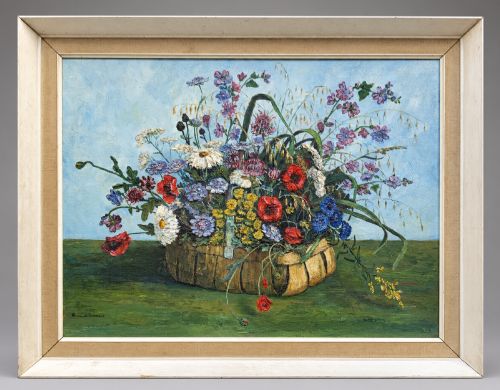
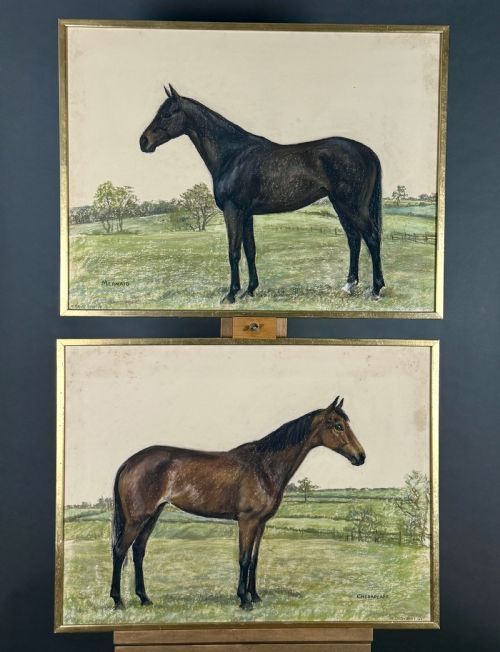
Artists painted on stretched canvas, wooden panels, cardboard and heavy paper using oil and watercolour mediums. Pastels and lithographic prints also appear, capturing the textures of rural subjects through layered pigments and inked impressions.
Framing utilised wood, often finished with giltwood or gold leaf to complement the picture within. Glazing protected delicate watercolours and paper works from environmental damage while heavier oil paintings remained unglazed on board or canvas.
Listings span the nineteenth and early twentieth centuries, featuring oil on canvas, watercolour, etching and lithograph formats.
Execution and framing
Quality rests in the handling of light, brushwork precision and the anatomical accuracy of figures and animals. Finer works display confident spatial depth and atmospheric mood rather than stiff adherence to formula.
The integrity of the original frame and the preservation of the paper or canvas surface dictate the desirability of a piece. Period frames matching the age of the artwork enhance historical cohesion.
Percy Lancaster·William Howard Hardy·John Horace Hooper·A. Marie Parsons·John McDougal·Kershaw Schofield·Stephen Samuel Lewin·Robert A. Nottingham·Arthur Gué·Henry Silkstone Hopwood·Robert John Hammond·Walter Heath Williams·Robert W. Macbeth·Robert Thorne Waite·John Smith Atherton·Howard Helmick·George Augustus Holmes·Thomas Sidney Cooper·Joseph H Barnes·Ernest Arthur Rowe·Frederick Walker·Frederick James Kerr·Edgar Hunt
The Framed Country Art Glossary
- Watercolour
- A paint consisting of water-soluble pigments used on paper to create translucent washes of colour. It requires protective glass framing.
- Oil on Canvas
- Pigments bound in a drying oil applied to a woven fabric stretched across a wooden frame. This method allows rich colour blending and textured brushwork.
- Etching
- A printmaking process where acid bites lines into a metal plate to hold ink. The inked plate then transfers the design onto paper under pressure.
- Barbizon School
- A French movement of landscape painters focusing on direct observation of nature. Their work influenced rural realism across Europe.
- Giltwood
- Wood carved and coated with a thin layer of gold leaf or metallic powder. It provides ornamental borders for traditional picture frames.
Framed Country Art: Frequently Asked Questions
What subjects appear in country art?
The works depict agricultural landscapes, farmyard animals, cottages, sporting dogs and rural workers engaged in daily tasks.
These subjects reflect nineteenth and early twentieth-century pastoral life across Britain and continental Europe.
How should I hang these framed pieces?
Hang watercolours away from direct sunlight to prevent fading on the paper support. Oil paintings on canvas tolerate ambient light better but require stable indoor humidity.
Ensure wall fixings match the weight of the wooden and gilt frames.
Are these works signed by the artist?
Many pieces carry visible signatures or inscriptions by the original hand. Some examples remain attributed to specific schools when signatures are absent.
Documentation on the reverse or framing often aids identification.
What is the difference between oil and watercolour?
Oils use thick pigments on canvas, panel or card, creating opaque textures and deep colour saturation. Watercolours apply translucent pigments onto paper for lighter tonal effects.
Watercolours require glass protection while oils typically remain exposed to the air.