


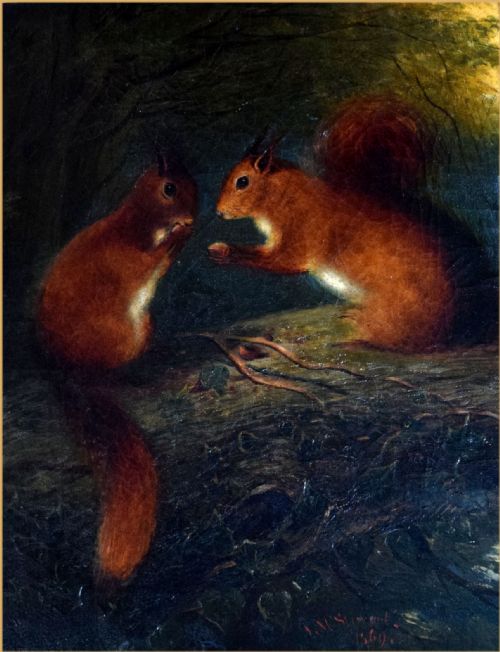

Vintage Wildlife Oil Paintings
Vintage wildlife oil paintings capture the natural world through oil paint on canvas and wood panel, offering collectors a direct link to historical representations of animals.
Vintage Wildlife Oil Paintings
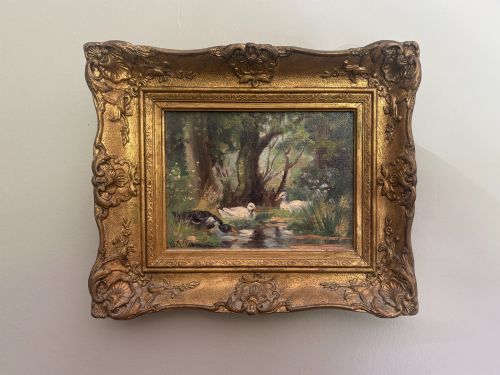
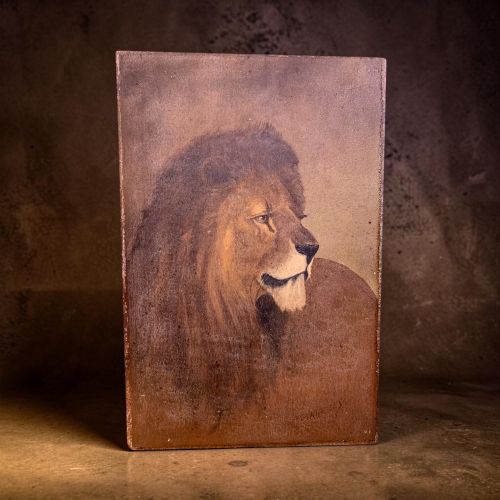
When you search for vintage wildlife oil paintings, you are looking at framed depictions of animals, birds, and sporting subjects rendered in oil. These works range from naive folk art portraits of individual beasts to detailed sporting art and mid-century representations of waterfowl.
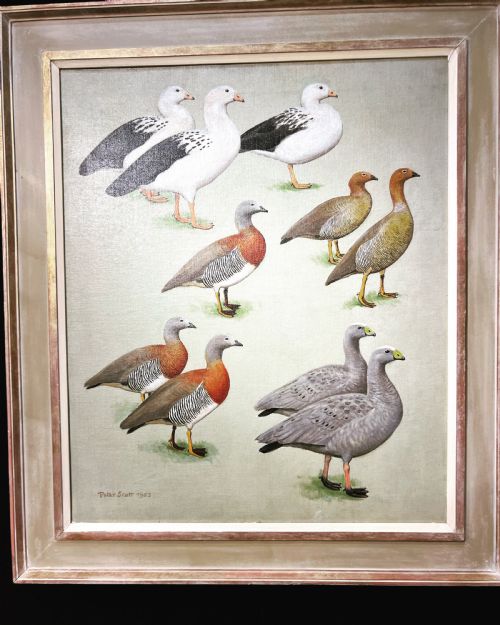
The pieces you are most likely to meet on this page span from the eighteenth century through the nineteenth century and into the mid-twentieth century. Subjects encompass lions, bears, stags, squirrels, wild boar, and geese placed within natural landscapes or rendered as standalone studies.
Makers and artists represented include figures such as Sir Peter Markham Scott, Godfrey Douglas Giles, William Crampton, James Malcolm Stewart, Stephen Elmer, and works after Geza Vastagh. These span British naturalism, realism, folk art, and mid-century modern styles.
How they were made
Paintings of this type rely primarily on oil paint applied to canvas, wood panels, or painted wood frames. The combination of oil medium and supportive fabric or timber allowed artists to build rich textures and deep tones for fur, feathers, and woodland settings.
Framing is an integral part of the physical object, with many surviving pieces housed in gilt wood or painted wooden frames that complement the period of the painting. The techniques range from the careful draftsmanship of eighteenth-century sporting art to the bolder gestures of mid-century modern animalier works.
Listings span from the 18th century to the mid-20th century, utilising canvas, wood panels, and gilt wood frames.
What varies in quality
Quality in these works rests upon the precision of the animal's anatomy, the expressive handling of light within the landscape, and the stability of the paint surface on canvas or panel. Finer examples capture the alertness of a stag or the movement of geese in flight with confident brushwork.
The distinction between a naive folk art lion portrait and a formally composed sporting canvas lies in the artist's command of proportion and atmosphere. Original framing and the preservation of the oil paint without extensive overpaint also contribute to the standing of an individual piece.
Sir Peter Markham Scott·Godfrey Douglas Giles·William Crampton·James Malcolm Stewart·Stephen Elmer·Geza Vastagh
The Vintage Wildlife Oil Paintings Glossary
- Oil paint
- A slow-drying paint made by combining pigment particles with a drying oil such as linseed, allowing for blended tones and rich surface textures.
- Wood panel
- A rigid wooden support used instead of canvas for painting, frequently utilised in earlier works and small bird studies.
- Gilt wood
- Timber frames or decorative elements coated in a thin layer of gold leaf or gold-coloured finish, common in period framing.
- Sporting art
- A genre of artwork depicting bloodsports, hunting, shooting, and the animals associated with them, prevalent in eighteenth and nineteenth-century Britain.
- Animalier
- A style focusing on the realistic depiction of animals, particularly active or resting beasts, seen in sculptures and paintings from the nineteenth century onward.
Vintage Wildlife Oil Paintings: Frequently Asked Questions
How do I date an oil painting of animals?
Dating relies on the substrate, such as canvas or wood panel, alongside the framing style and the artistic conventions of periods like British naturalism or mid-century modernism. Signatures, stamps, and biographical details of known painters further narrow the date of creation.
Examining the stretcher bars, nails, and the chemical composition of the oil paint provides additional physical evidence to establish the era in which the work was produced.
What subjects are common in these paintings?
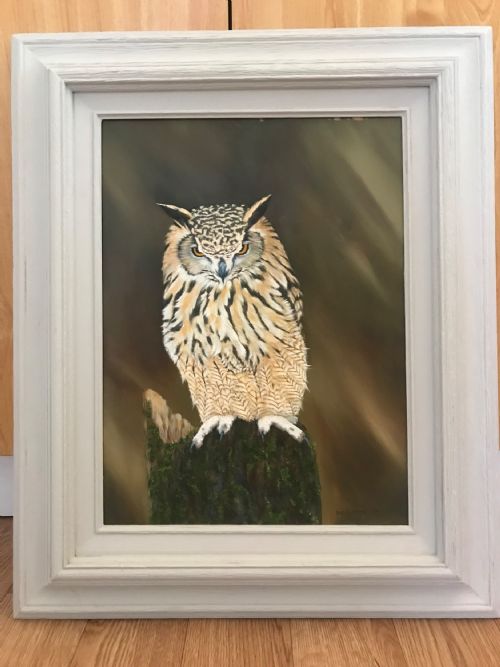
The subjects include game birds like tawny owls and brent geese, alongside larger mammals such as lions, bears, stags, and wild boar. These animals are typically shown within landscapes, marshes, or Highland settings.
Some compositions focus on sporting scenes with hounds, while others provide direct wildlife portraits or folk art interpretations.
Where should I hang a wildlife oil painting?
These works suit traditional studies, living rooms, and libraries, particularly when paired with wooden furniture or period interior schemes. Protecting the canvas or wood panel from direct sunlight and damp conditions ensures the oil paint remains stable.
Consider the weight and style of the original gilt wood or painted frame when selecting a wall space capable of supporting the piece securely.
How do naive folk art pieces differ from academic works?
Naive folk art pieces display a charming simplicity in perspective and animal anatomy, often created by self-taught artists working outside formal academic traditions. In contrast, academic works from the eighteenth and nineteenth centuries follow strict rules of proportion and naturalistic lighting.
Both styles hold distinct appeal for collectors, depending on whether one prefers strict realism or the expressive character of folk painting.