





Brown Wood Hunting Art
Brown wood hunting art gathers carved trophies, framed oil paintings, and sporting prints capturing the field sports of past centuries.
Brown Wood Hunting Art
When you search for brown wood hunting art, you encounter a specialised mix of sporting paintings, carved wooden trophies, and framed prints. The selection spans the Georgian, Victorian, and Edwardian eras, alongside pieces dated around nineteen-ten and nineteen-fifty.
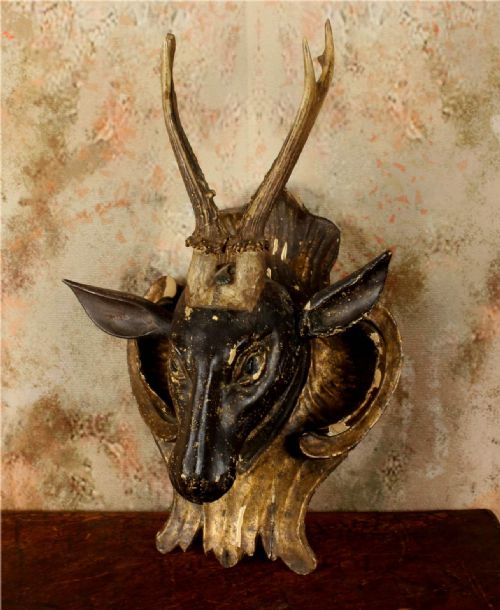
Oil paintings on canvas and wood panel form a prominent part of the selection, often depicting hounds, gun dogs, and hunting scenes. Alongside these, carved wooden Black Forest plaques and folk art deer heads represent the sculptural side of the genre.
Smaller decorative objects such as decoy ducks and framed prints by artists like Snaffles also appear within the material. These works draw together rural traditions and wildlife subjects using traditional framing and mounting methods.
Materials and construction
Wood serves as the primary medium, utilised both as a sculptural base for carved animal trophies and as panels for oil paintings. Artists also employed canvas, paper, and glass to create framed watercolours, prints, and oil works.
Traditional painting techniques involve oil paint and watercolours applied to canvas, wood panel, or artist palettes. Sculptural items feature hand-carved wood often combined with natural antlers and leather elements.
A painted wooden duck waits patiently among the oil paintings, ready for a decoy mission that ended a century ago.
Distinguishing finer examples
Quality rests in the precision of the carving and the fidelity of the animal anatomy depicted in paintings. Sculptures with expressive detailing and well-preserved natural antlers demonstrate superior craftsmanship.
In paintings and prints, the finesse of brushwork and the clarity of the composition elevate the piece. Works attributed to named artists or established sporting traditions carry greater artistic weight.
The Brown Wood Hunting Art Glossary
- Black Forest carving
- Wood carving originating from the Central Black Forest region in Germany, known for realistic animal trophies and foliage motifs. These pieces often utilise dark carved woods such as lime or walnut.
- Decoy duck
- A carved and painted wooden bird used historically to attract wildfowl. Traditional examples display hand-painted feather detailing and aged patination on the timber.
- Trompe l'oeil
- An art technique involving extremely realistic imagery to create an optical illusion that the depicted objects exist in three dimensions. In this selection, it appears in detailed still life paintings.
- Sporting print
- A printed reproduction or original etching depicting field sports, horses, or hunting dogs. Artists like Snaffles and H. Alken produced notable examples in this genre.
Brown Wood Hunting Art: Frequently Asked Questions
What subjects appear in these hunting scenes?
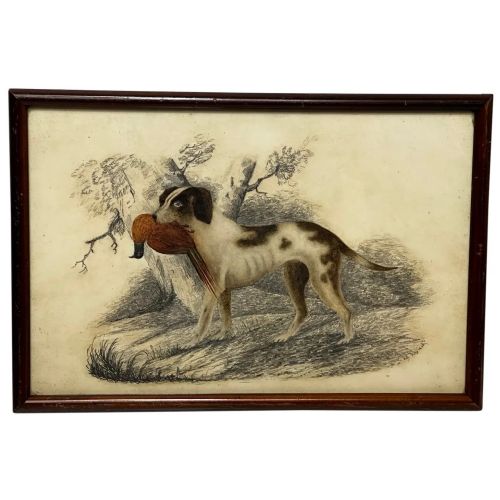
The subjects encompass gun dogs, bloodhounds, hunting dogs, and game birds alongside mounted deer heads and wild boar scenes.
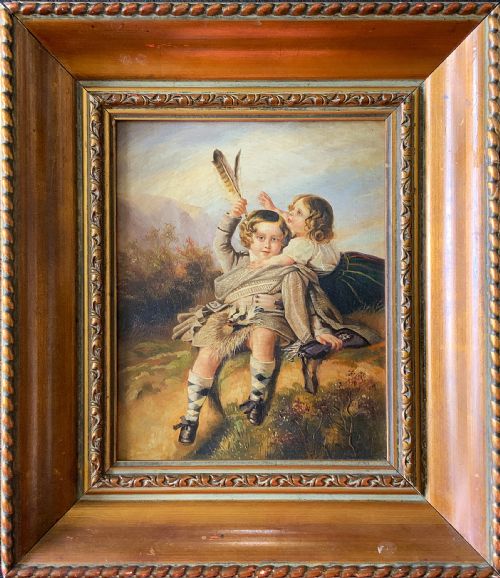
Human figures also feature, including portraits of country gentlemen, royalty in Scottish dress, and traditional sportsmen in wooded clearings.
How do I care for wooden hunting carvings?
Wooden carvings and Black Forest trophies require stable indoor humidity to prevent the timber from splitting or drying out.
Dust them gently with a dry, soft cloth and avoid placing them in direct sunlight or near direct heat sources.
Are these paintings original works?
The selection includes original oil paintings on canvas and wood panels, alongside watercolours and period prints.
Many works date from the nineteenth and early twentieth centuries, created by traditional sporting artists and painters.
Where were these sporting pieces made?
Originating from various European and British traditions, the pieces reflect local craftsmanship from periods such as the Victorian and Edwardian eras.
Specific regional styles include Black Forest carving, Scandinavian folk art, and nineteenth-century Italian trompe l'oeil painting.