
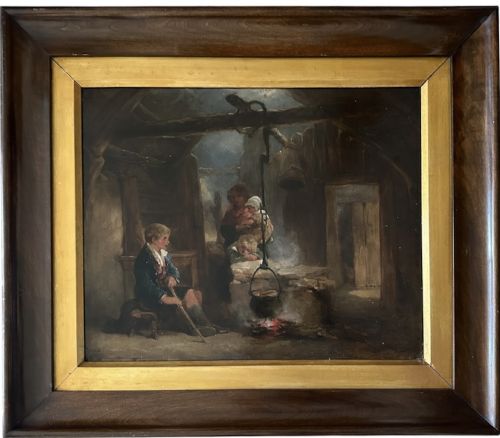
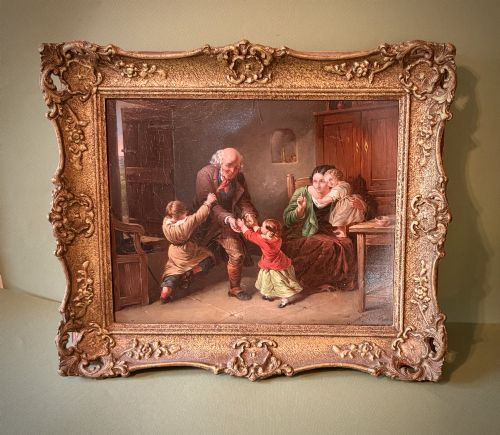
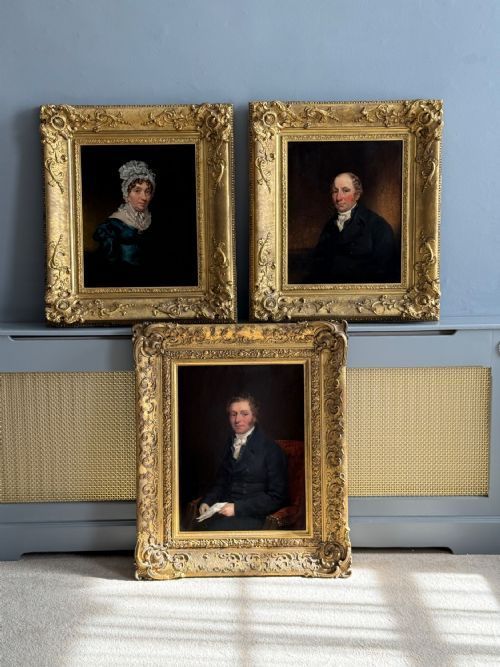
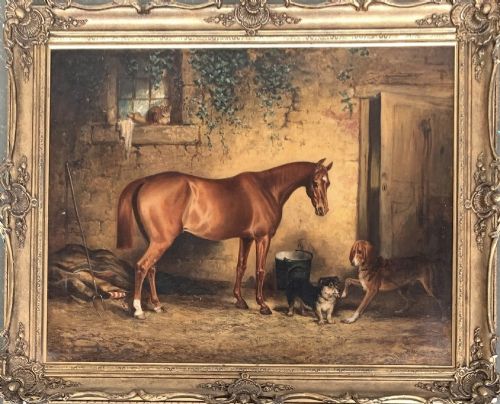
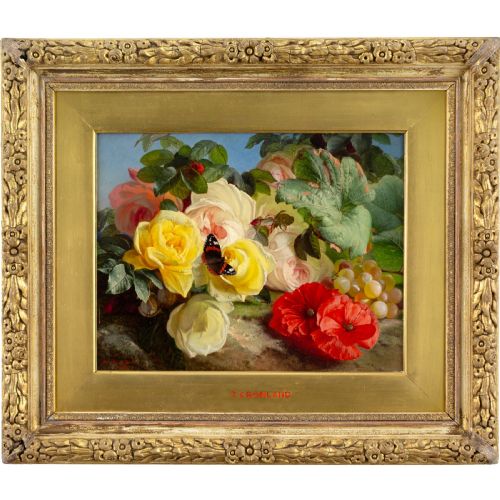
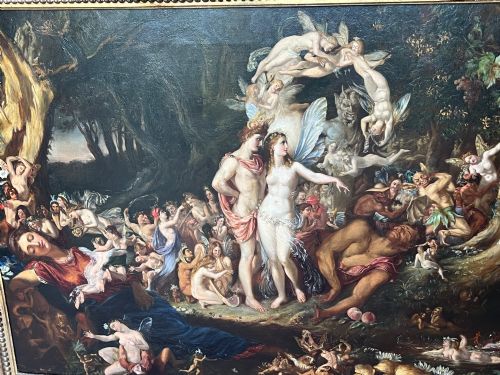
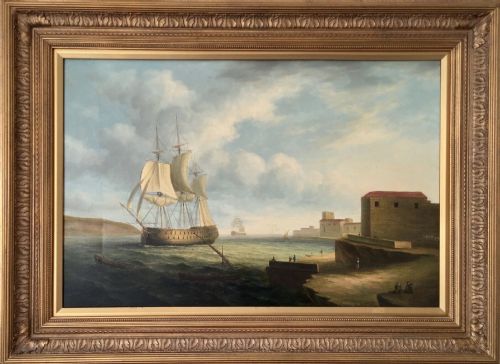
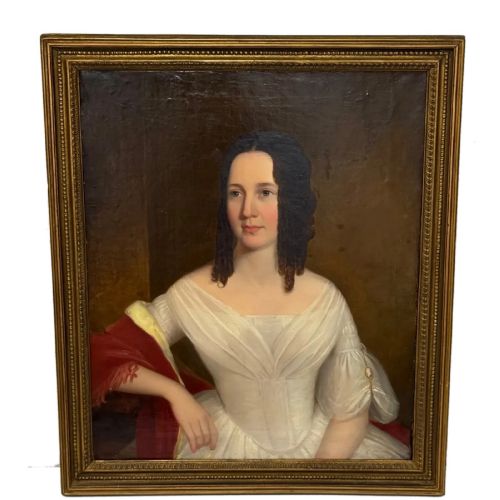
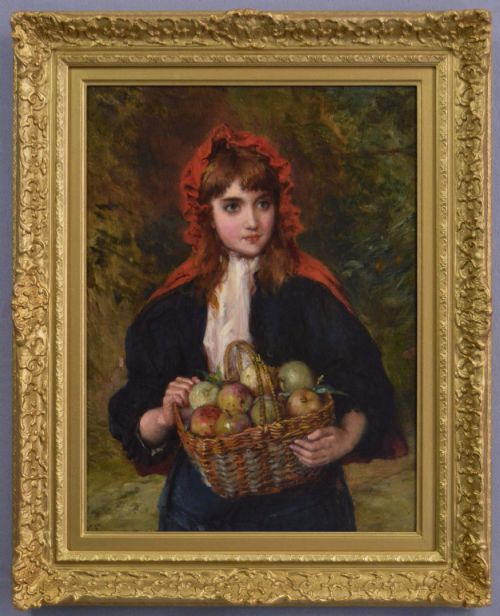
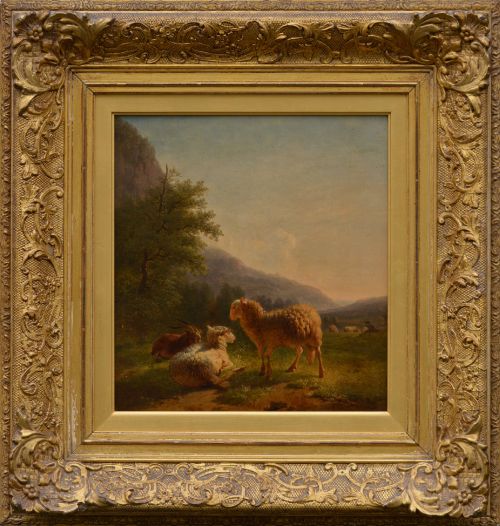
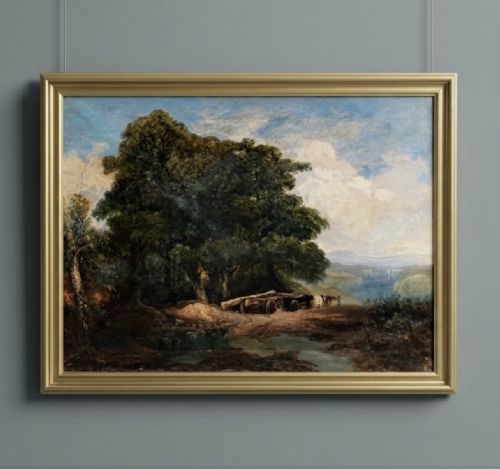
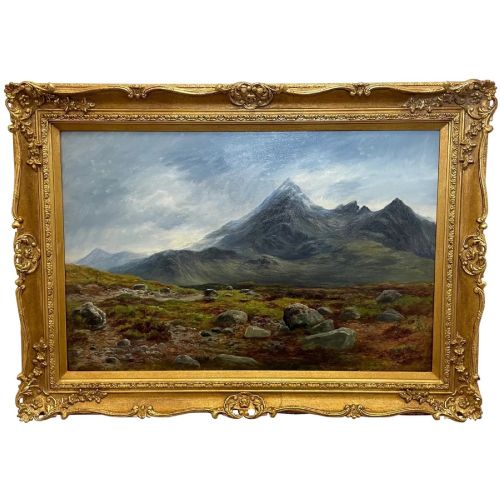
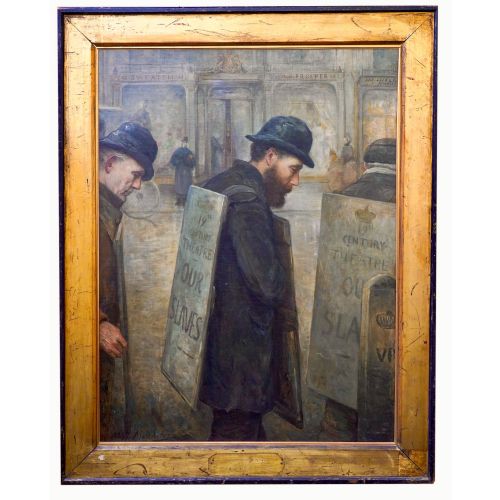


Framed 19th Century Oil Painting
A framed 19th century oil painting brings historic depth and handcrafted character to any room through centuries-old pigments and traditional surrounds.
Framed 19th Century Oil Painting
A framed 19th century oil painting encompasses works produced across the eighteen-hundreds, capturing portraiture, maritime scenes, and pastoral landscapes. These artworks document historical subjects, domestic animals, and imagined vistas created by regional and continental schools.
The selections on this page commonly feature canvas stretched over wooden frames, panels of wood, and occasionally board supports. Many retain period surrounds constructed from wood with decorative plasterwork.
Buyers encounter British, French, and Flemish examples ranging from intimate panel studies to monumental social history canvases. These works represent the diverse aesthetic movements spanning the Georgian era through the late Victorian period.
How They Were Made
Artists applied oil paint using brushes onto woven canvas, prepared wood panels, or rigid board supports. Canvases were frequently stretched over timber frames and secured with handmade tacks.
Surrounds utilise wood, often embellished with moulded gesso to create decorative patterns finished with gold leaf or metallic paint. These protective housings complement the depth of the pigment layers within the primary artwork.
Listings feature oil on canvas, wood panels, and giltwood frames spanning the Victorian and Regency periods.
What Varies in Quality
The proficiency of the brushwork and the anatomical accuracy of figures or animals distinguish skilled academic execution from simpler naïve output. Handling of light, shadow, and atmospheric perspective demonstrates the artist's training and observation.
The integrity of the original support, the stability of the pigment layer, and the preservation of the matching period frame influence the overall preservation of the piece. Subtle details in surface texture and the depth of the varnish layer indicate careful longevity.
Joseph Clover RA·Henry Barraud·Theude Gronland·Sir Joseph Noel Paton·William Oliver·Richard Sebastian Bond·William Beattie Brown·Felix Stone Moscheles·Valentine T Garland·John Maler Collier·Frederick Marriott·John Horace Hooper·William McAlpine·Reginald Arthur Borstel·William Joseph Shayer Senior·Alfred Fontville de Breanski Jr·Edward Mills·George Webster·Franklin D Briscoe·Carlton Edwin Harris
The Framed 19th Century Oil Painting Glossary
- Canvas
- A woven fabric stretched across a wooden stretcher frame to serve as a stable painting surface. Linen and cotton varieties provide distinct surface textures for oil pigment application.
- Gesso
- A plaster mixture applied to wood frames to create smooth surfaces for gilding or moulding decorative reliefs. This preparation layer underpins ornate Victorian and Regency decorative surrounds.
- Panel
- A flat piece of wood used as a rigid support for oil painting before or alongside canvas. Oak, mahogany, and other hardwoods appear frequently in smaller works.
- Giltwood
- Timber coated with a thin layer of gold leaf or metallic powder over a prepared base. This traditional framing material adds reflective warmth to historical artwork.
Framed 19th Century Oil Painting: Frequently Asked Questions
How do I clean a framed 19th century oil painting?
Dust surfaces gently using a soft, dry brush without applying moisture or household cleaners. Professional conservators handle deeper cleaning to avoid damaging aged varnish layers.
Keep paintings away from direct sunlight and dramatic humidity shifts to protect both the canvas and the wooden surround.
Were these paintings always framed in gold?
Surrounds varied according to the period taste, with many utilising giltwood, plain wood, or painted finishes. Gilded frames became particularly popular during the Victorian era to enhance the luminosity of the artwork.
Original frames often show minor wear that matches the age of the canvas inside.
How can I tell a panel painting from a canvas?
Panels offer a rigid, solid backing made of wood whereas canvases yield slightly to gentle pressure and display a woven texture. Wood panels often feature visible grain patterns on the reverse side.
Both supports received preparatory grounds before the artist applied oil paint.
What subjects are most common in these works?
Portraits of individuals, pastoral landscapes, and maritime scenes dominate the surviving output of this era. Artists also recorded domestic animals, botanical studies, and architectural views.
These subjects reflect the cultural interests and domestic tastes of Georgian and Victorian patrons.