

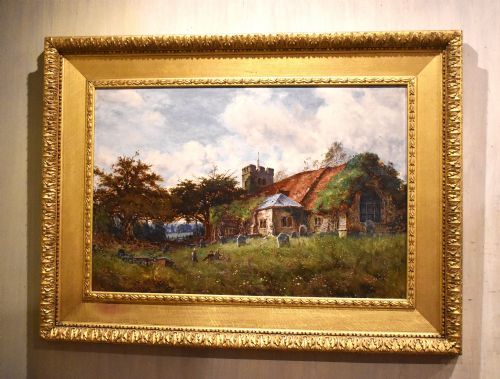
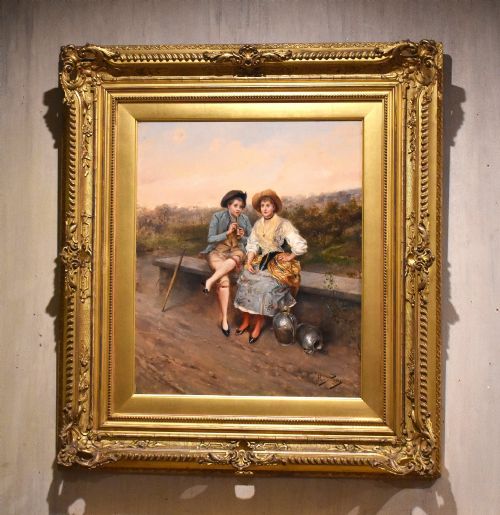
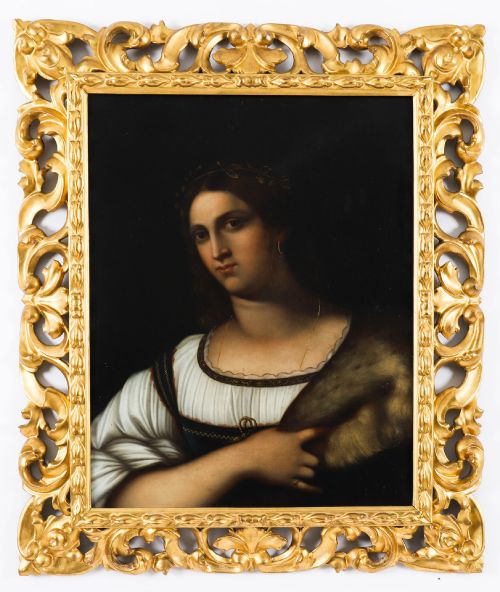
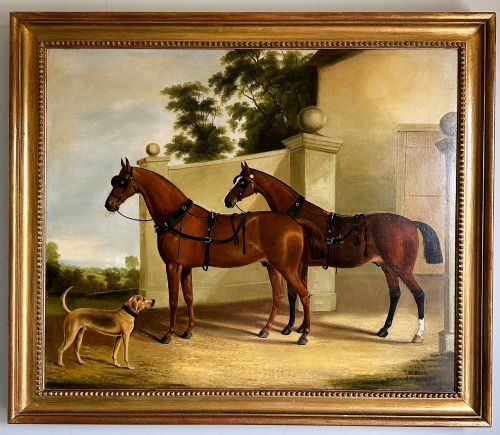
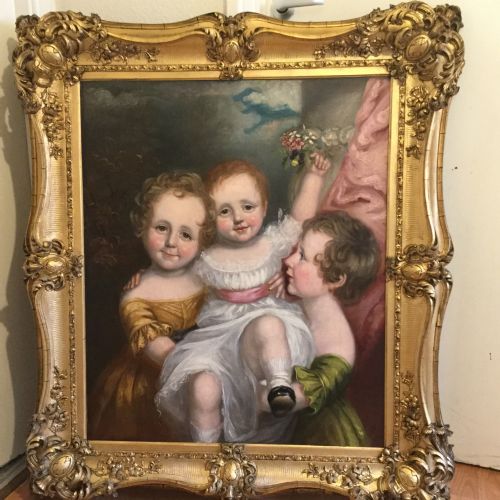
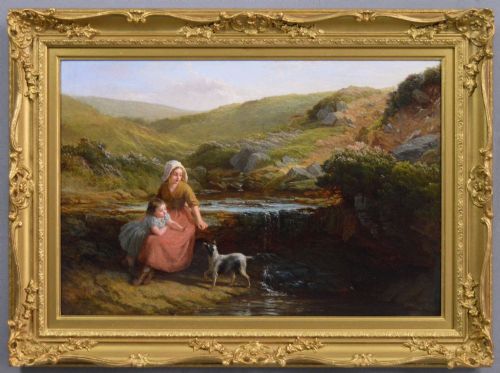

Framed 19th Century Canvas
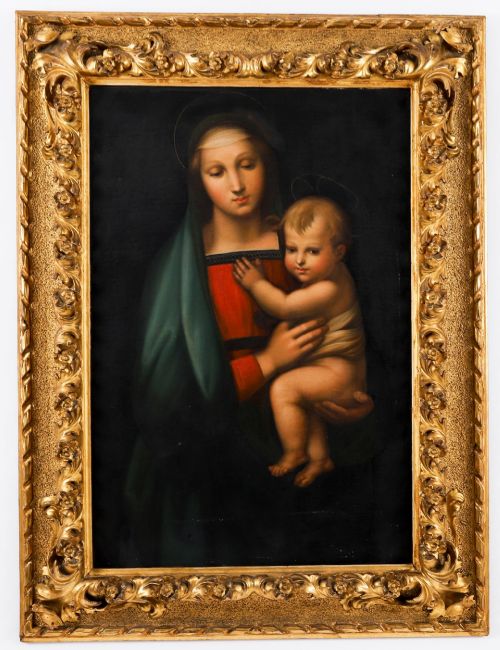
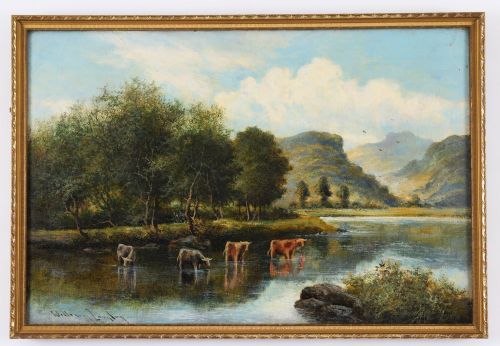
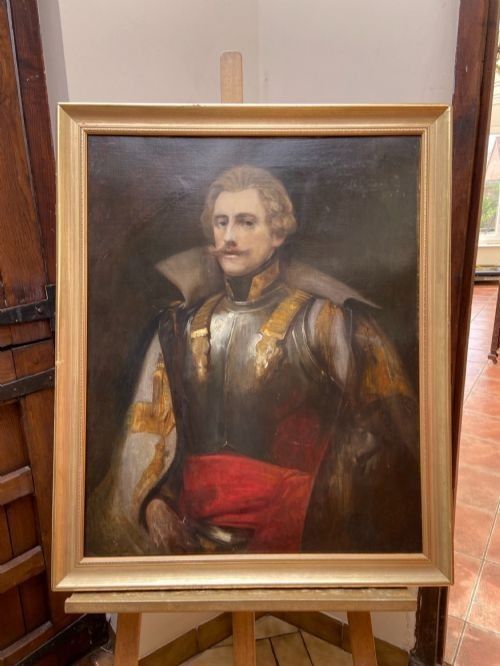
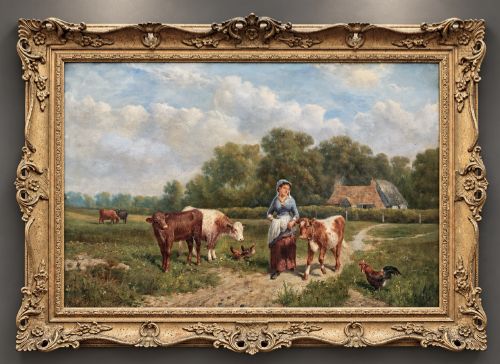
A framed 19th century canvas brings original oil portraiture and atmospheric landscapes straight to the wall.
Framed 19th Century Canvas
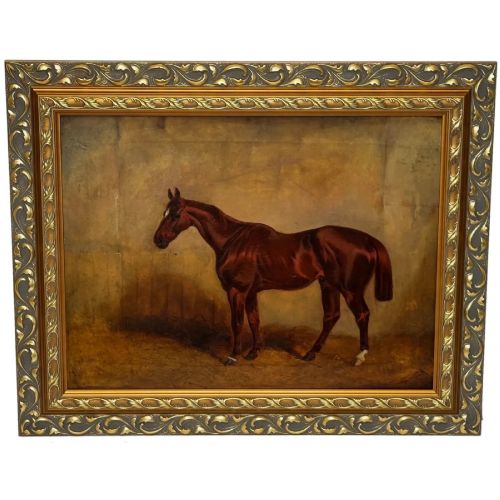
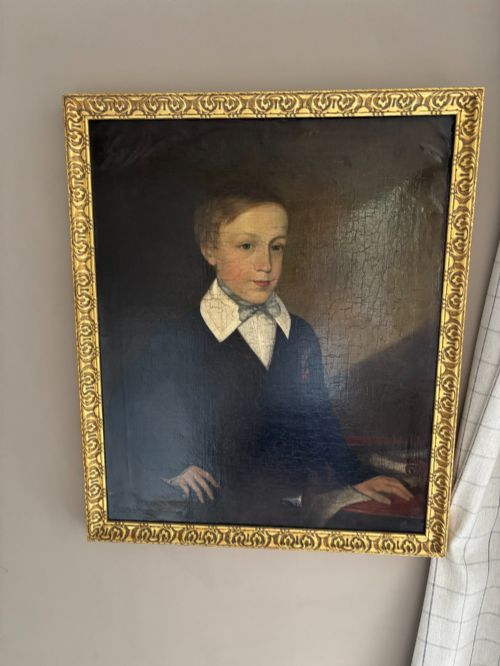
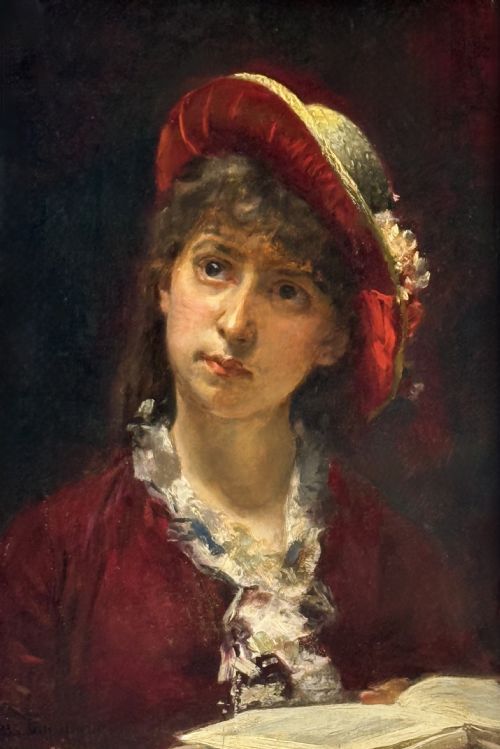
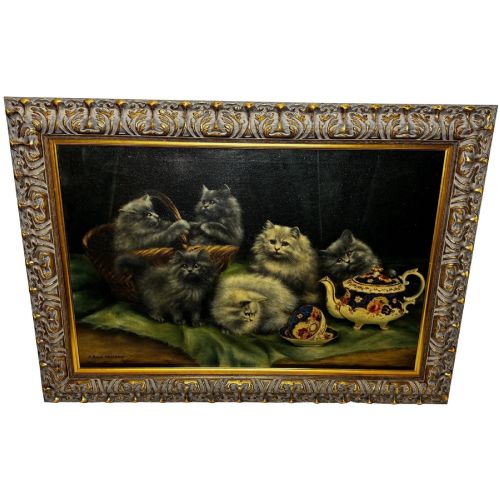
A framed 19th century canvas encompasses original oil paintings created across the Victorian era, the Georgian period, and into the early decades of the twentieth century. These works capture diverse subjects, ranging from formal sitters and country house interiors to dramatic marine scenes and pastoral landscapes.
The most common examples on this page are British and French school oils on canvas, housed in period giltwood or gesso frames. Buyers encounter both signed works by known artists and unsigned pieces by competent regional hands.
Portraiture and landscape dominate the selection, reflecting the domestic tastes of nineteenth-century patrons who commissioned likenesses and rural views for their homes.
Materials and construction
These works utilise woven textile canvas stretched over wooden frames, painted with oil-based pigments derived from traditional mineral and vegetable sources. The application varies from smooth, academic glazing to thick, expressive impasto.
Surrounding the artwork, the frames are constructed from timber moulded with gesso and finished with gold leaf or gilt wood coatings. Many frames feature elaborate decorative corner ornaments characteristic of the period.
Listings feature oil paintings on canvas across the Victorian, Georgian, and Regency periods, housed in original giltwood and gesso frames.
Distinctions in quality
The standard of execution in the brushwork dictates the upper tier of the range, separating confident anatomical rendering or atmospheric light effects from stiff, formulaic studio output. Artist attribution and recorded exhibition history elevate certain works above anonymous decorative pieces.
The integrity and originality of the frame matter equally, with deep, hand-gilded gesso mouldings adding substantial character compared to plain replacement mouldings. The stability of the underlying canvas and the preservation of the original paint surface determine the overall integrity of the piece.
William Oliver·Eugène Verboeckhoven·Richard Sebastian Bond·William Beattie-Brown·Felix Stone Moscheles·Valentine T. Garland·John Maler Collier·Frederick Marriott·Francois Boucher·John Horace Hooper·William McAlpine·Reginald Arthur Borstel·Sir Joshua Reynolds·Alfred Fontville de Breanski Jr·Napoleon I·Edward H Niemann·Stephen Samuel Lewin·John Rose Miles·Vittorio Reggianini·Thomas W Lascelles·Augusto Alberici·Gabriel Mathieu·Mark William Langlois·David Bates·Edouard Pingret
The Framed 19th Century Canvas Glossary
- Oil on Canvas
- Pigment suspended in a drying oil, typically linseed, applied to a woven fabric support. This combination allowed artists to achieve rich colour depth and subtle tonal gradations.
- Giltwood
- Timber carved and coated with a thin layer of gold leaf or metallic powder. It provides the reflective, warm border characteristic of formal nineteenth-century picture frames.
- Gesso
- A plaster mixture applied to wooden frame mouldings as a smooth base for gilding. It allows intricate relief ornamentation to be cast or carved along the frame edges.
- Impasto
- Paint applied thickly to a canvas, standing in relief above the surface. This technique lets the viewer trace the physical movement of the artist's brush.
- Barbizon School
- A collective of French landscape painters active in the mid-nineteenth century who worked directly from nature. Their focus on rural realism heavily influenced later plein air painting.
Framed 19th Century Canvas: Frequently Asked Questions
How do I identify a 19th-century canvas?
Examine the back of the stretcher bars and the weave of the fabric, which often shows the tighter, irregular texture typical of older textiles.
Maker stamps, handwritten inscriptions on the wood, and the presence of lead white in the pigment under scientific testing further confirm the period.
Were these paintings always framed?
Most oil paintings of this era were paired with a complementary frame chosen to suit the domestic interior of the buyer.
While some canvases survive independently, the frame and painting are generally considered an integrated historical object.
How should I care for an antique oil painting?
Keep the canvas away from direct sunlight, damp environments, and sudden shifts in room temperature that cause the wood and fabric to expand.
Dust the surface gently with a soft, dry brush and avoid using chemical cleaning sprays on either the canvas or the gilt frame.
What is the difference between an English school and French school painting?
English school works frequently focus on narrative genre scenes, maritime views, and topographical landscapes with a restrained palette.
French school pieces from the same decades often emphasise atmospheric light, softer tonal transitions, and Barbizon-influenced rural realism.