

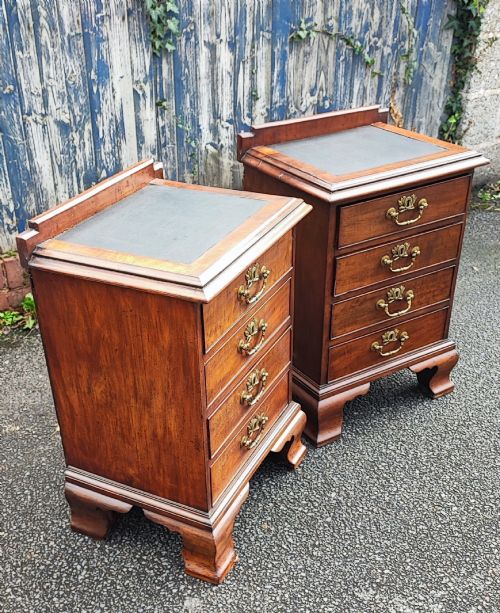

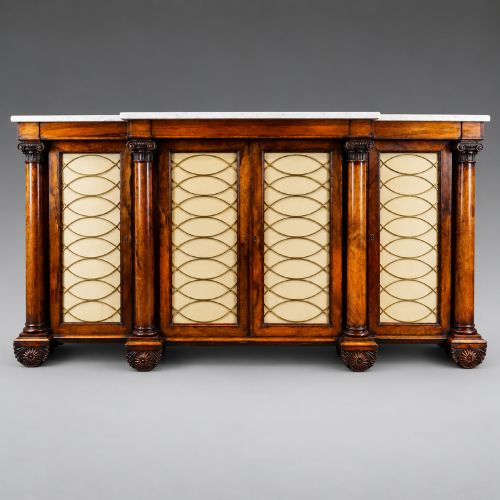
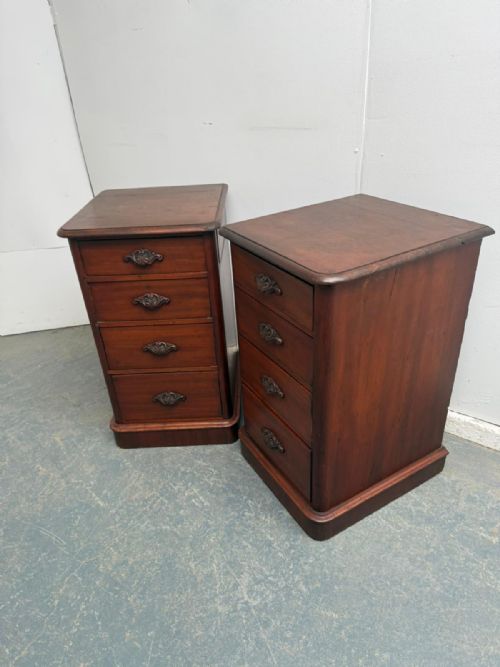
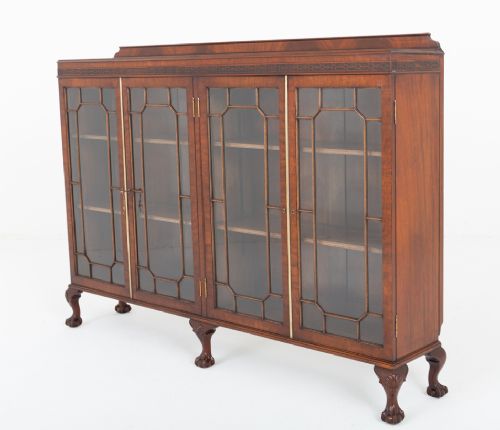


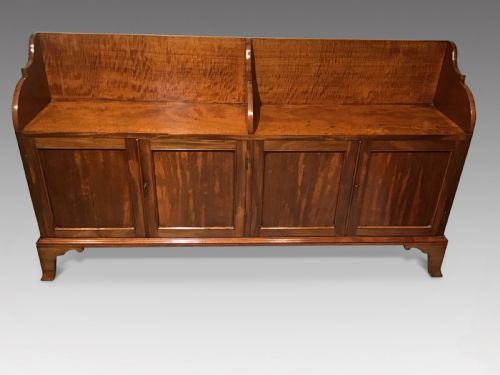


Four Sided Cabinet
These four sided cabinet pieces bring compact storage and architectural presence to a room, offering practical surfaces combined with period craftsmanship.
Four Sided Cabinet
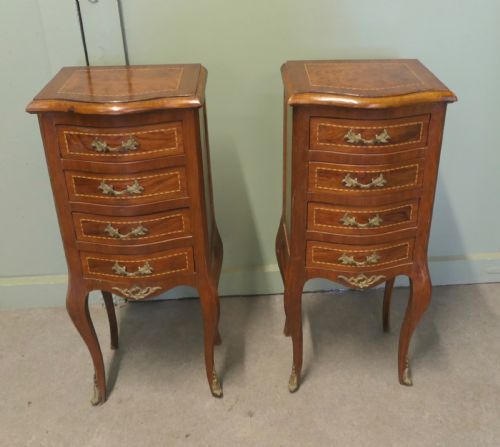
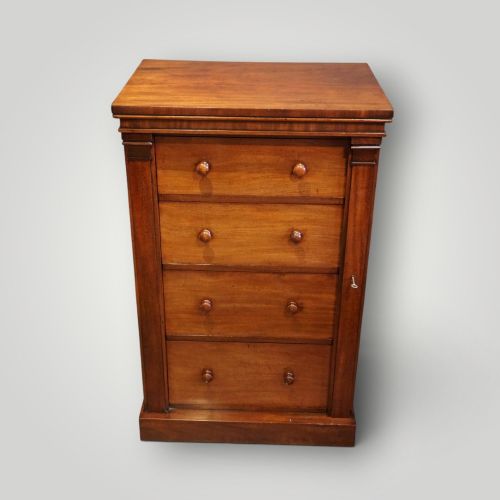
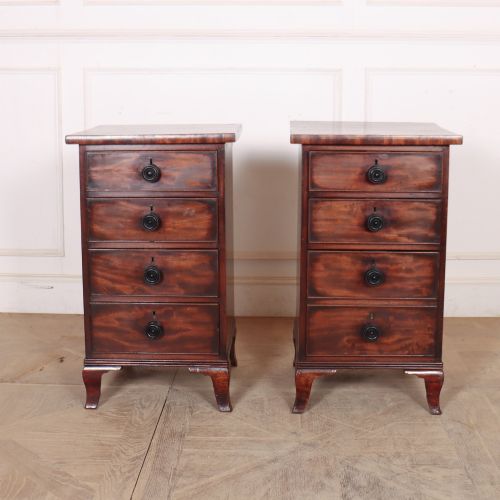
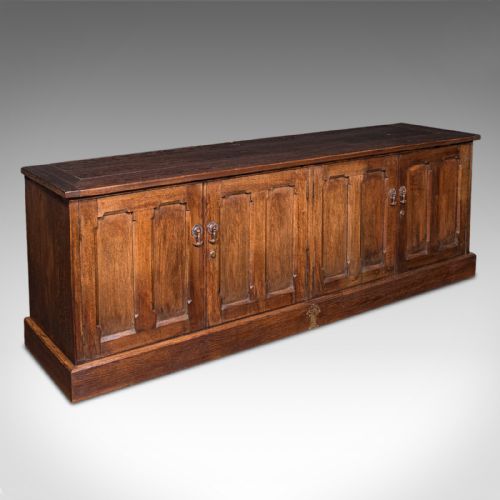
When you search for four sided cabinet, you encounter sturdy case furniture designed with four distinct elevations, frequently taking the form of bedside lockers, side cabinets, or tall chests. The pieces appearing on this page span the Georgian, Regency, and Victorian periods, alongside later twentieth-century interpretations.
Most examples function as bedside tables, nightstands, or compact side cabinets, providing enclosed storage beneath a flat top surface. Materials range from rich mahogany and rosewood to figured walnut, often enhanced with glass panels, brass hardware, or marble tops.
Makers utilised architectural forms ranging from French Louis XV style curves to Gothic Revival elements and Chippendale Revival details. Buyers are most likely to meet mahogany and rosewood variations dating from the nineteenth century.
Materials and construction
Construction relies heavily on dense timbers such as mahogany, rosewood, and walnut, frequently finished with wood inlay or polished wax. Cabinet makers combined solid carcases with finely figured veneers to achieve deep grain patterns across the four elevations.
Metalwork played a structural and decorative role, with brass handles, side locks, and ormolu mounts securing drawers and doors. Glass panels and marble tops also appear, particularly on French nightstands and side lockers intended for display or refined domestic use.
Four Sided Cabinet Retail Price Guide 2026
Typical asking prices for four sided cabinet among the pieces listed under this phrase on Sellingantiques today, from the lower quarter to the upper quarter. They describe what is for sale here now, not the wider market.
The listings on this site feature nineteenth-century and Georgian pieces executed in mahogany, rosewood, and walnut, alongside marble-topped French nightstands.
Judging quality in a four sided cabinet
Quality rests upon the selection of timber figures, such as burr walnut or figured rosewood, matched evenly across the four sides of the carcase. Superior examples demonstrate precise joinery in the drawer linings and tight fitting doors that align cleanly with the frame.
The integrity of decorative additions like ormolu mounts, brass inlays, and marble inserts distinguishes standard utility pieces from finer salon furniture. Original hardware and sound structural timber retain the integrity intended by the original maker.
The Four Sided Cabinet Glossary
- Carcase
- The main structural body of a cabinet or chest before drawers and doors are fitted. This framework supports the exterior veneers and interior shelving.
- Breakfront
- A piece of furniture where the central section projects forward from the flanking sides. This layout adds visual depth to side cabinets.
- Ormolu
- Gilded bronze ornamentation applied to furniture for decorative accent. It frequently appears on nineteenth-century French side lockers.
- Nightstand
- A small bedside table or cabinet designed to hold lamps and personal items. These pieces often feature multiple drawers or a small cupboard door.
Four Sided Cabinet: Frequently Asked Questions
How do I clean mahogany or rosewood surfaces?
Dust regularly with a soft, dry cloth to prevent particulate accumulation on polished timber surfaces. Avoid silicone-based polishes and excessive moisture, which can damage antique wax and French polish finishes.
Apply a quality beeswax periodically to nourish the wood and maintain its natural lustre.
What is the difference between a side cabinet and a bedside locker?
Side cabinets generally offer broader proportions with multiple doors or drawers, intended for general storage in dining rooms or hallways. Bedside lockers are built narrower and taller to sit comfortably beside a bed frame.
Both formats maintain the enclosed four-sided structure characteristic of this furniture type.
How can I tell a Victorian cabinet from a Georgian one?
Georgian pieces often display restrained lines influenced by classical proportions and mahogany solids. Victorian examples frequently introduce darker ebonised finishes, brass inlay, or bolder revival styles such as Gothic Revival.
Examine the internal secondary woods and drawer construction methods to confirm the manufacturing period.