


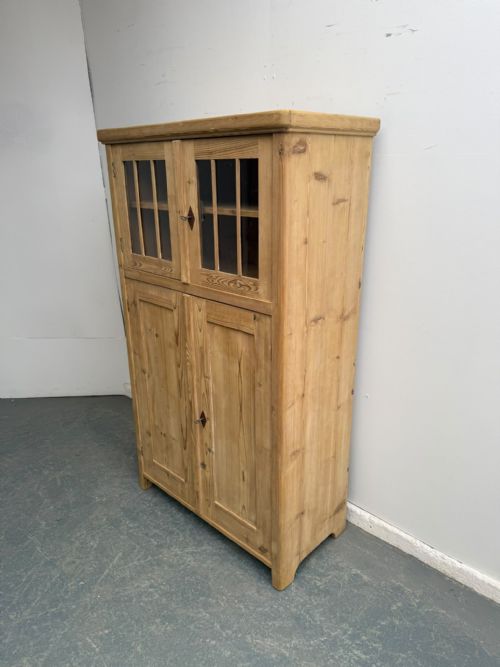


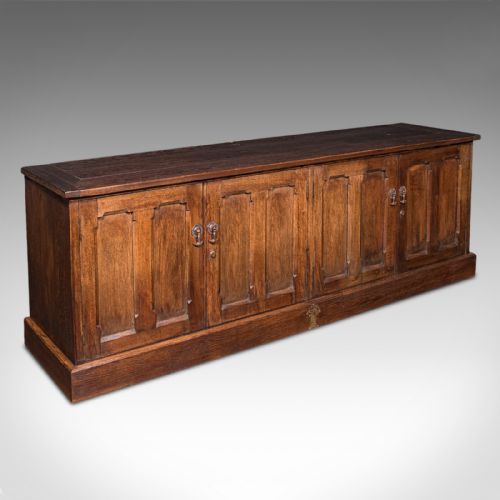


Four Door Cupboard
A four door cupboard organises a room with scale and presence, bringing symmetry and generous storage through timber and glass.
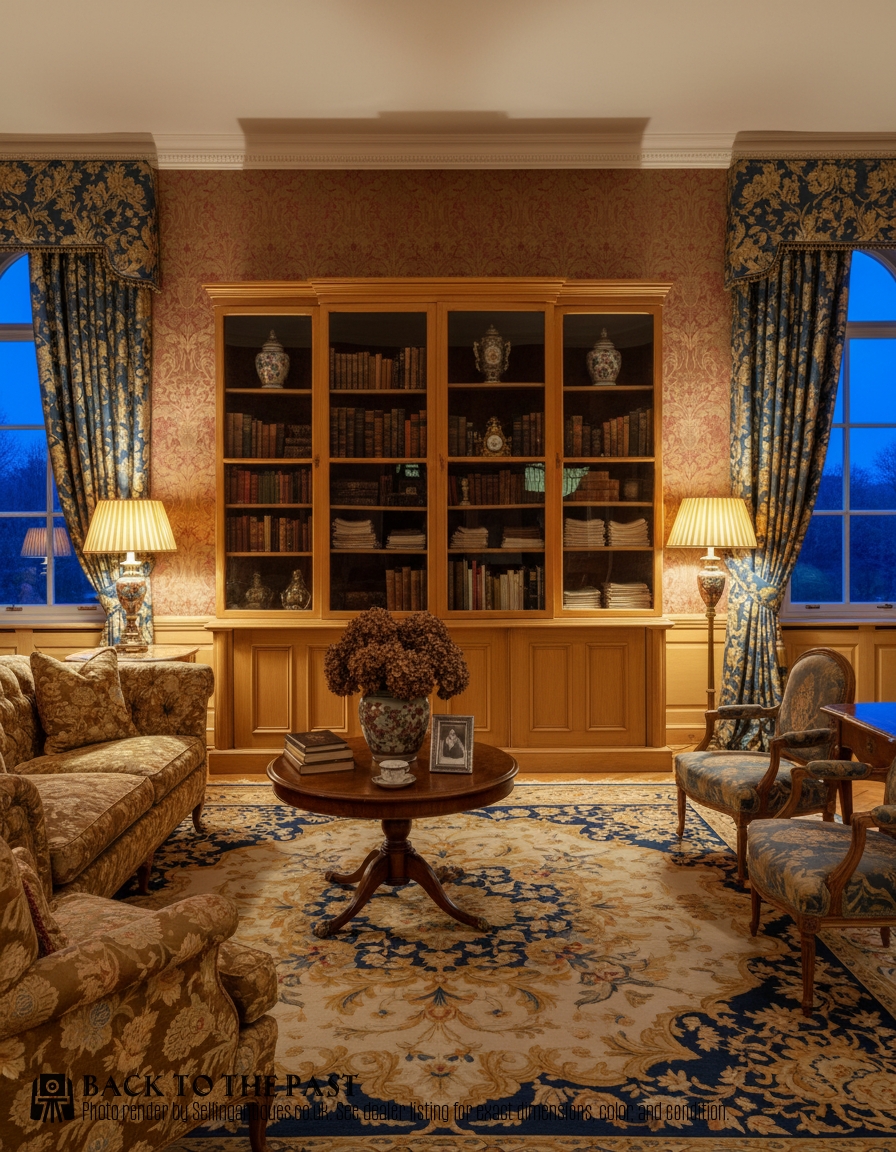
Four Door Cupboard
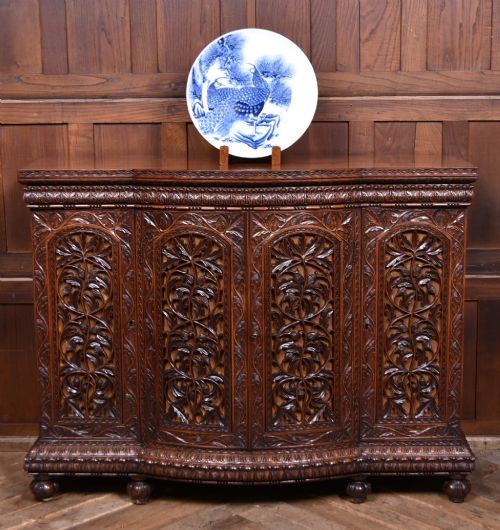
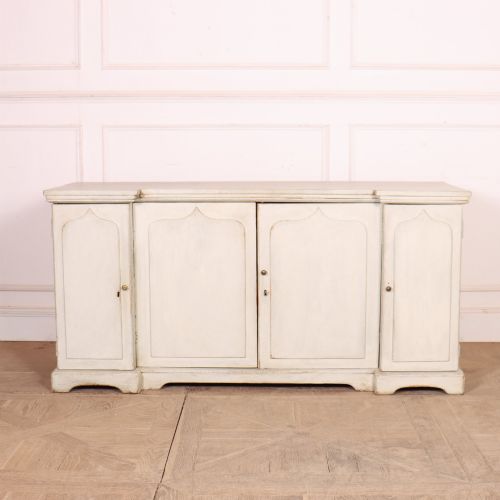
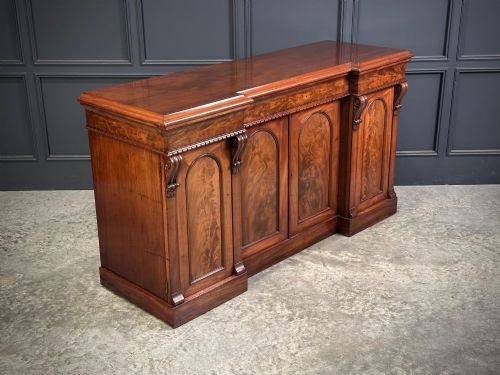
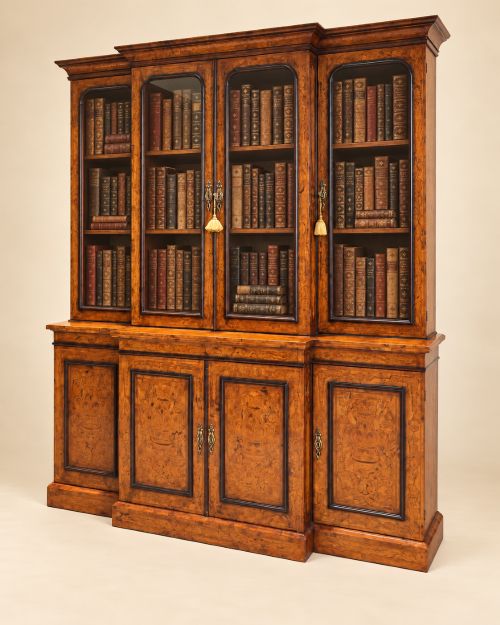
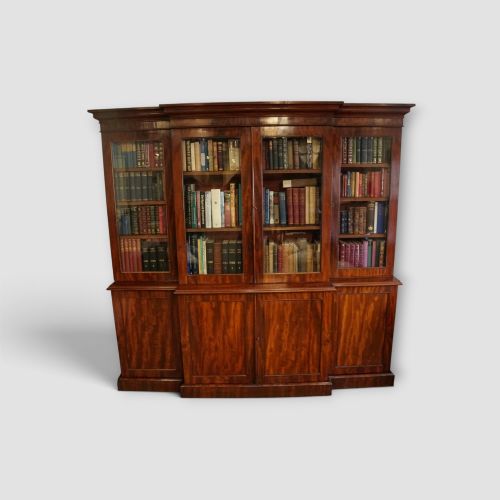
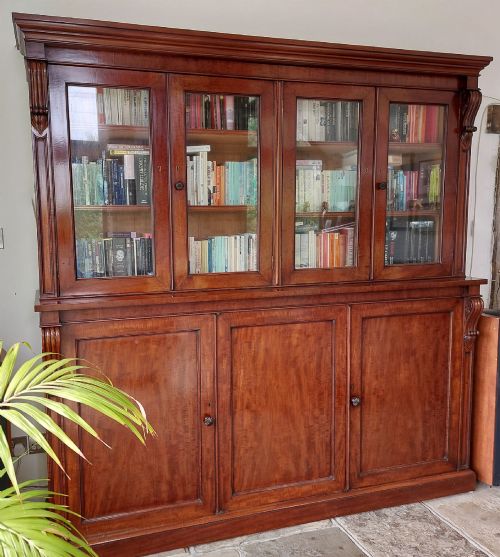
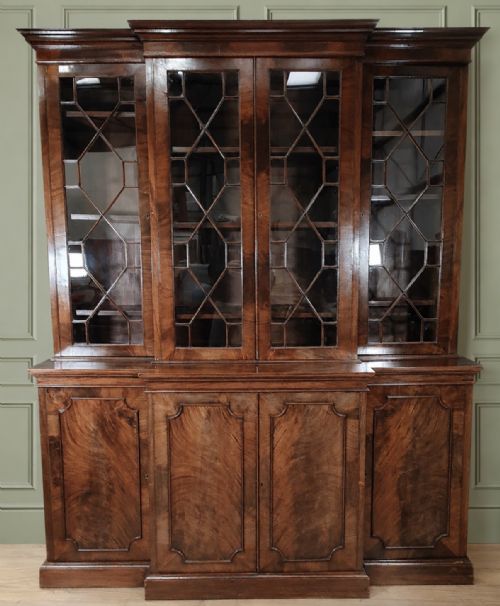
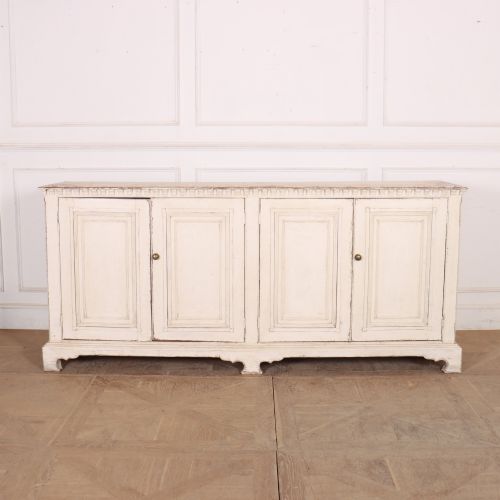
A four door cupboard spans several functional forms including breakfront bookcases, linen cupboards, sideboards, and wardrobes. You will encounter these pieces largely from the nineteenth century, alongside earlier eighteenth-century examples and seventeenth-century style revivals.
The layout typically divides the elevation into twin pairs of upper and lower doors, or a grand lower credenza base with extended frontage. Woods vary from figured mahogany and walnut to scrubbed or painted pine, reflecting both formal drawing-room tastes and country house utility.
Materials and Construction
Cabinetmakers utilised dense hardwoods like mahogany, walnut, and oak for formal breakfronts and sideboards, applying flame veneers or marquetry inlay to primary surfaces. Pine served extensively for regional dressers, linen cupboards, and wardrobes intended for domestic service or country interiors.
Joinery incorporated brass hardware, glass panelled doors for libraries and display cabinets, and iron fittings for structural stability. Paint and wax finishes were applied to both pine and hardwood, leaving surfaces either matte or polished according to the period aesthetic.
Listings feature mahogany, pine, walnut, oak, and rosewood across sideboards, bookcases, and wardrobes dating from the seventeenth to the twentieth century.
Distinguishing Quality
Quality rests upon the selection of timber figures, such as matched flame mahogany or figured walnut across four symmetrical doors. Finer execution shows in crisp mouldings, integrated breakfront geometry, and original brass or glass components rather than later replacements.
The integrity of the interior configuration, whether adjustable library shelves or original linen slides, separates utility pieces from finer cabinetwork. Proportional balance across the extended four-door facade dictates the visual success of the piece.
Heals·Edwards and Roberts
The Four Door Cupboard Glossary
- Breakfront
- A cabinet design where the central section projects forward from the flanking wings. This configuration creates architectural depth on large bookcases and sideboards.
- Enfilade
- A suite of rooms or a long cabinet with a continuous facade of doors. In furniture, it describes a long low sideboard or buffet.
- Dresser base
- A low cabinet fitted with drawers and cupboards beneath a flat top. These pieces originated in kitchens and pantries before moving to formal rooms.
- Linen cupboard
- A tall storage piece designed for textiles and bedding, often fitted with internal sliding shelves. They appear frequently in pine and oak.
- Marquetry
- The art of applying decorative veneer cut from various woods to form geometric or pictorial patterns. It appears on high-status cabinet doors.
Four Door Cupboard: Frequently Asked Questions
Where should I place a four door cupboard?
These large cabinets require a substantial wall run, making them well suited to dining rooms, libraries, or wide hallways where their extended width creates balance.
Ensure adequate clearance for the doors to swing open fully without obstructing surrounding furniture or walkways.
How do I clean painted pine surfaces?
Painted pine pieces respond best to gentle dusting with a dry microfiber cloth to protect the historic paint layers from moisture damage.
Avoid chemical solvents or abrasive cleaners which can strip original or aged surface treatments.
Are the shelves adjustable in these bookcases?
Many nineteenth-century breakfront bookcases feature traditional pegged or rack-supported wooden shelves that allow height adjustment for different book sizes.
Earlier pieces often have fixed shelving integral to the structural carcass of the interior.
How do I tell Victorian from Georgian pieces?
Georgian furniture typically employs lighter structural proportions and specific secondary timbers like oak or deal behind mahogany facades. Victorian examples often display heavier breakfront massing and more robust figured veneers.
Hardware styles and dovetail construction methods also shift noticeably between the eighteenth and mid-nineteenth centuries.