



Folk Art Wooden Duck
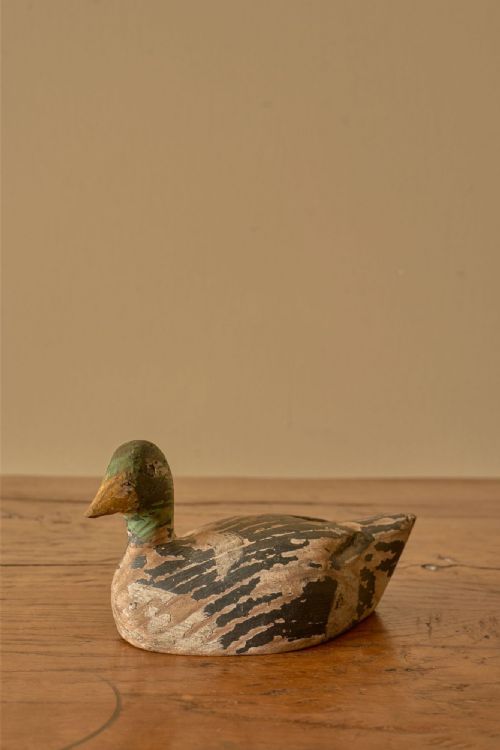
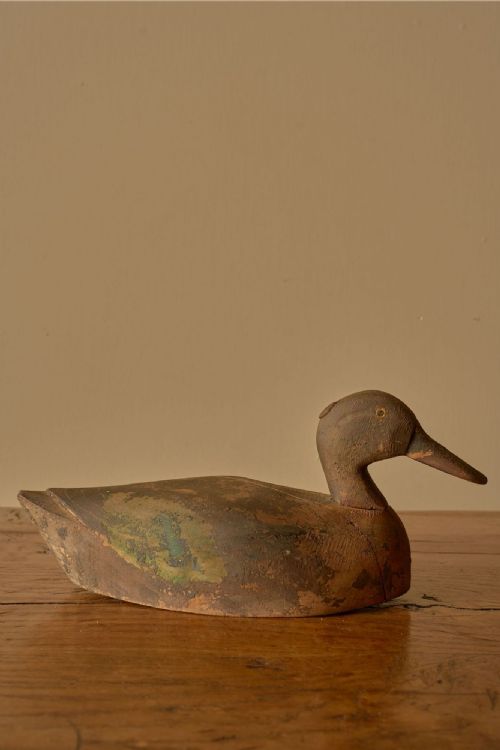
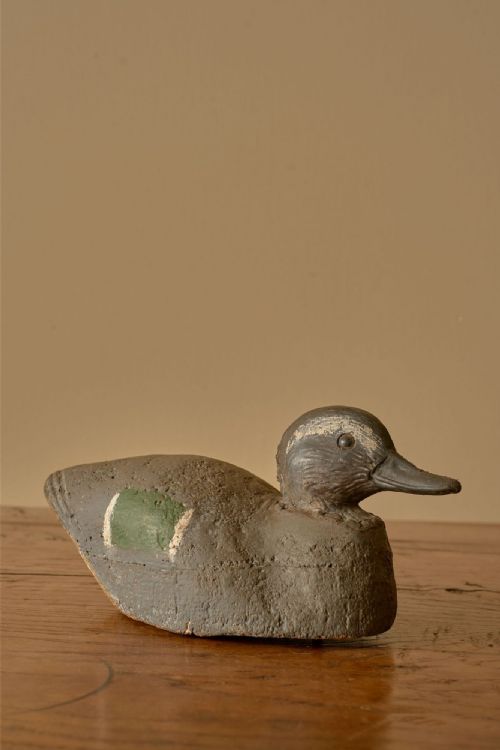
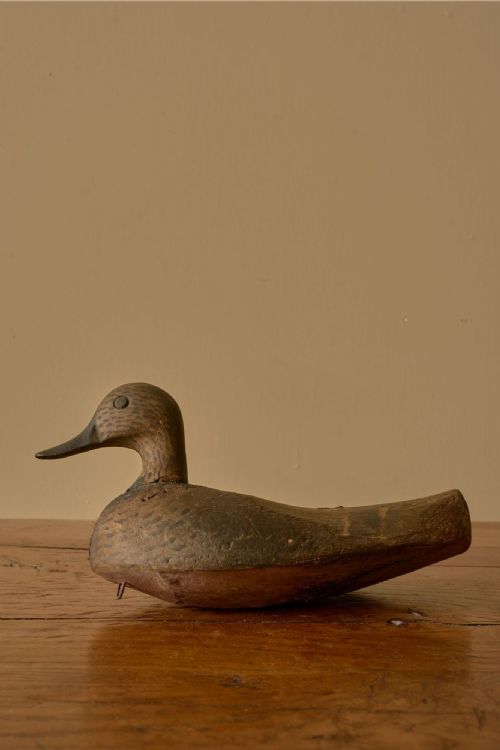
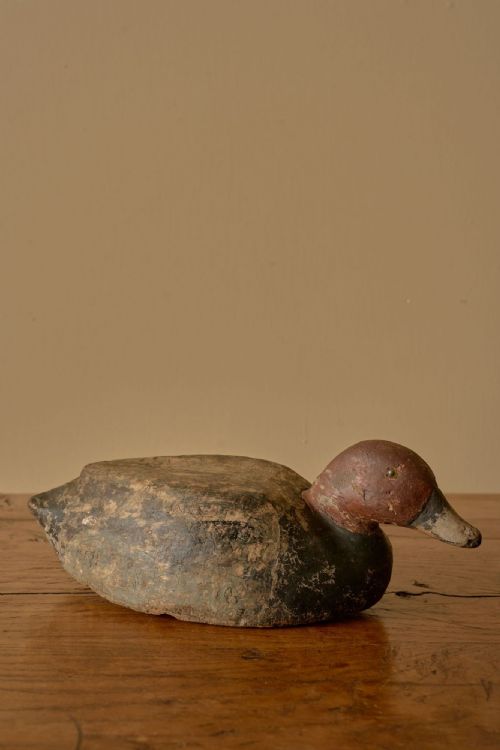
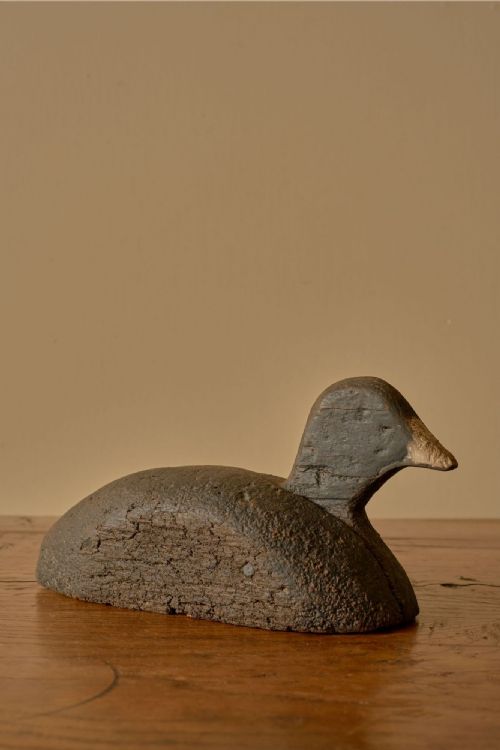
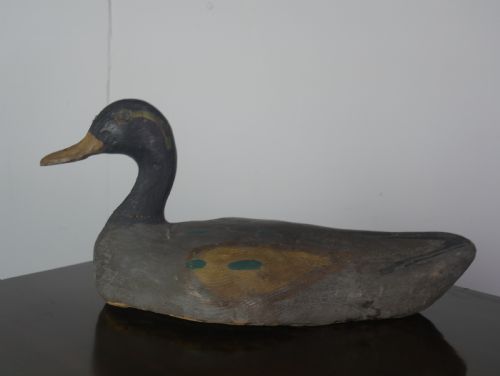
These folk art wooden duck pieces are working decoys and decorative sculptures shaped by hand to sit quietly on a shelf or table.
Folk Art Wooden Duck
When you search for folk art wooden duck, you are looking at carved and painted water birds that served as working decoys or rustic decorative objects. The pieces appearing here span the Victorian era, the Edwardian period, and the early twentieth century, including the 1920s and 1930s. Most examples take the form of traditional decoy ducks, alongside related studies such as a papier-mâché and straw duckling and an America loon with her chick.
The origins of these sculptures reach across English country folk art and vernacular traditions, with occasional examples from French makers. You will encounter single birds as well as sets of three carved wood decoys. While many are straightforward timber carvings, the selection also includes curiosities like a village ducking stool from the Victorian era.
How they were made
Makers shaped these bodies from solid wood and carved timber using hand tools to create the characteristic profiles of swimming birds. Iron and glass elements occasionally appear for eyes or fixings, while alternative mediums such as papier-mâché and straw form lighter studies.
Surfaces received layers of hand paint, often applied in flat or muted tones to mimic natural plumage. Years of exposure to water and weather left many of these painted surfaces with genuine patination and wear.
Folk Art Wooden Duck Retail Price Guide 2026
Typical asking prices for folk art wooden duck among the pieces listed under this phrase on Sellingantiques today, from the lower quarter to the upper quarter. They describe what is for sale here now, not the wider market.
The listings here feature pieces from the Victorian era, the Edwardian period, and the 1900s through to the 1930s.
What varies in quality
The character of the carving defines the visual weight of each bird, separating simple utilitarian shapes from more expressive sculptural interpretations. Tool marks left by the maker demonstrate the directness of the hand-carving process.
The preservation of the original painted surface dictates much of the visual appeal. Traces of early hand-applied pigment retain more of the object's working history than later re-painting.
The Folk Art Wooden Duck Glossary
- Decoy duck
- A carved and painted floating bird model utilised by hunters to attract wildfowl. These objects now function primarily as decorative sculptures.
- Folk art
- Utilitarian and decorative items created by self-taught or traditional makers working outside academic fine art conventions. These pieces emphasise functional design and direct craftsmanship.
- Vernacular
- Everyday objects built by local craftspeople using regional styles and available materials rather than high architectural or artistic fashions.
- Papier-mâché
- A composite material made from paper pulp or layers of paper bound with glue, used here to model lightweight decorative figures.
Folk Art Wooden Duck: Frequently Asked Questions
What is a folk art wooden duck?
These objects are carved wooden water birds created as working decoys or rustic ornaments. They reflect traditional craftsmanship from the nineteenth and early twentieth centuries.
Collectors prize them for their simple forms and the weathered character of their hand-painted surfaces.
How were decoy ducks used?
Hunters placed these floating wooden models on lakes and marshes to lure wildfowl within range. Their silhouettes and painted plumage deceived real birds.
Over time, many surviving decoys transitioned from working tools to decorative objects displayed in homes.
How do I style a wooden duck?
These rustic sculptures sit naturally on bookshelves, sideboards, or mantelpieces among books and ceramics. Their neutral tones and weathered paint complement both traditional and contemporary interiors.
Grouping sets of three or mixing them with other wooden curiosities creates a grounded, collected display.
How do I date a wooden duck?
Examining the tool marks, timber type, and construction methods helps determine the era of manufacture. Edwardian and early twentieth-century examples often display simpler hand-carved profiles.
The condition and composition of the painted surface also offer clues to the age of the piece.