



Folk Art Wooden Container
A folk art wooden container brings tactile warmth and domestic history into a room through carved shapes and aged patinas.
Folk Art Wooden Container
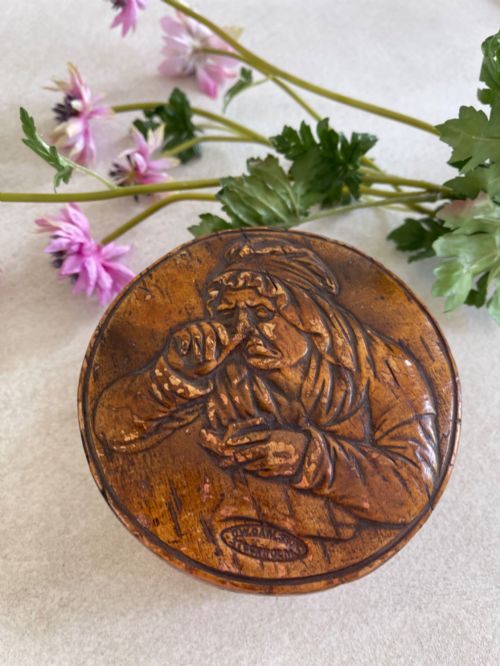
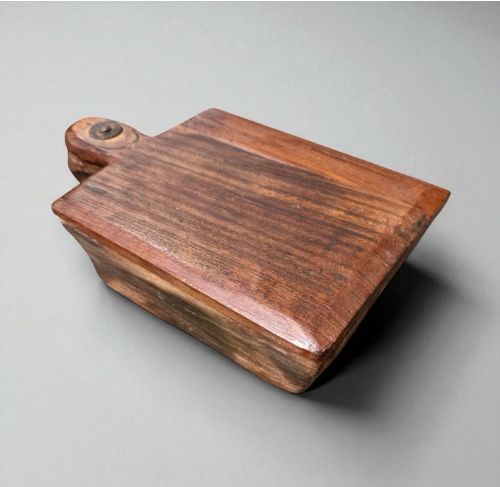
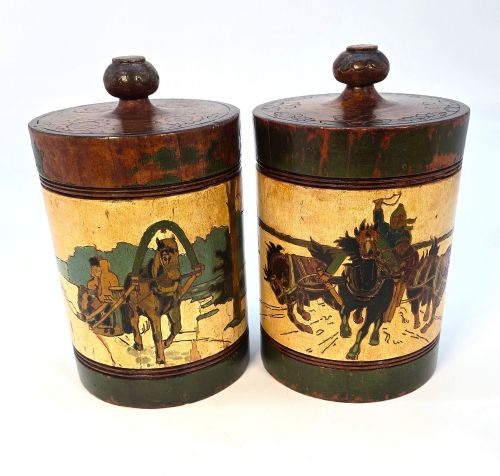
A folk art wooden container encompasses small treen objects made for daily household use, such as snuff boxes, tobacco jars, match holders, and storage vessels. These pieces emerge from nineteenth-century and early twentieth-century traditions across Britain, Scandinavia, Russia, and India.
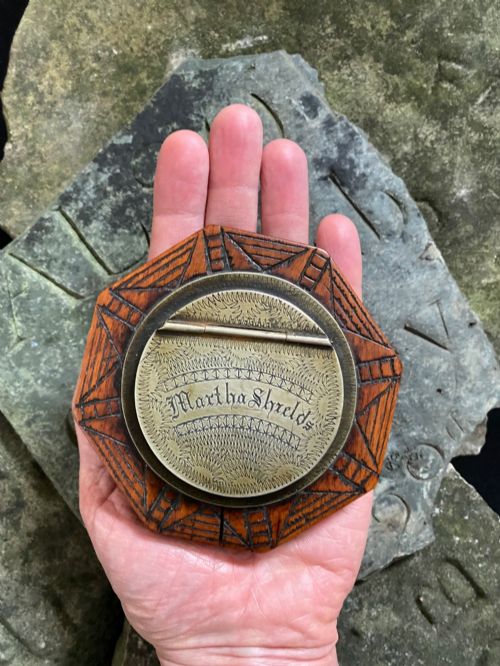
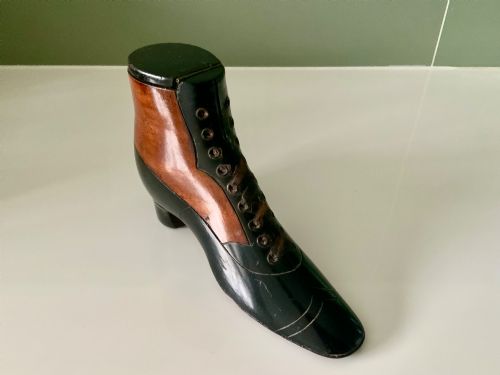
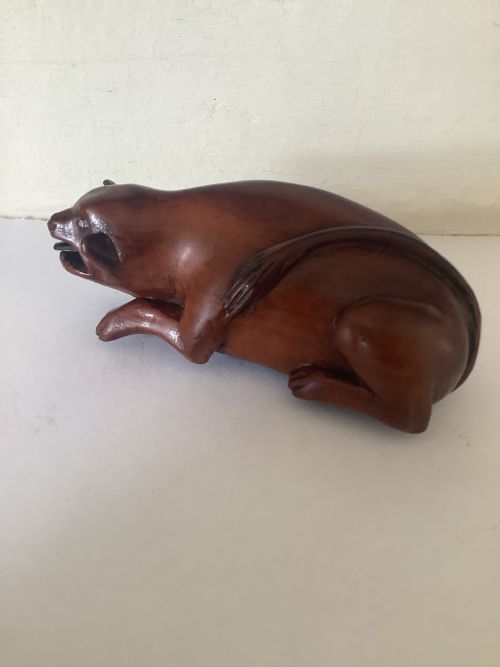
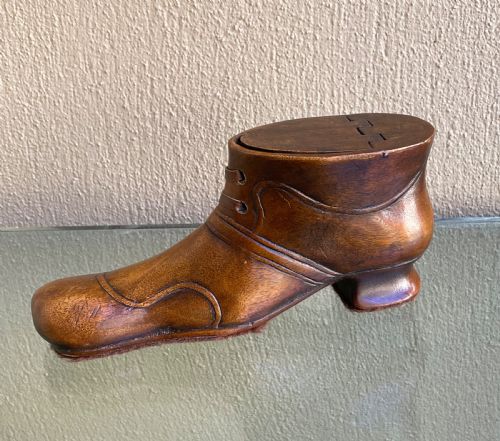
The most common examples on this page are snuff boxes and shoes carved from hardwood, alongside rustic pine baskets and dug-out tree trunks. Makers fashioned these utilitarian objects with decorative touches including naive carving, paint, and inlaid brass pique work.
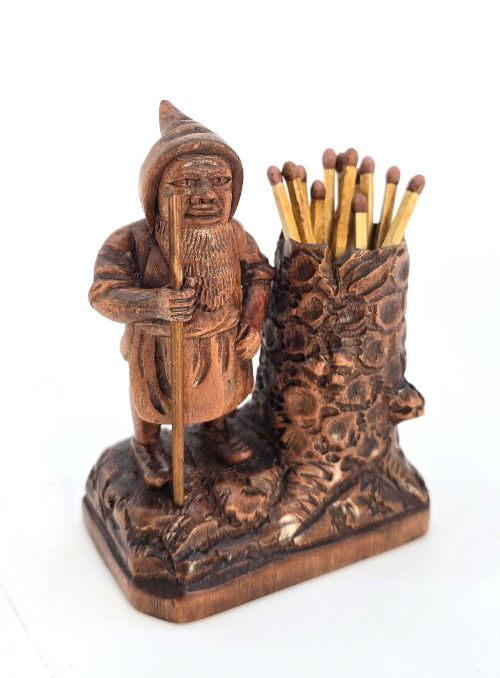
Collectors encounter domestic containers shaped like hands, shoes, and gnomes, reflecting the whimsical yet practical mindset of past makers. Each item serves as both a functional receptacle and a tangible piece of regional folk heritage.
Materials and construction methods
Items rely on local timbers like pine, limewood, oak, and dense hardwoods selected for durability and carving quality. Artisans shaped these woods using traditional hand tools, gouges, and knives to hollow out vessels and form intricate surfaces.
Decoration involved hand painting, inlaid bone or metal elements, and surface carving to create texture and visual interest. Linseed oils and natural waxes were often applied, building up a rich patina over decades of handling.
Folk Art Wooden Container Retail Price Guide 2026
Typical asking prices for folk art wooden container among the pieces listed under this phrase on Sellingantiques today, from the lower quarter to the upper quarter. They describe what is for sale here now, not the wider market.
Materials represented across the collection include limewood, pine, pollard birch root, hard wood, iron, and bone.
Assessing quality in carved wooden objects
Quality rests primarily on the depth and confidence of the carving, distinguishing stiff execution from fluid, expressive handiwork. Superior pieces display thoughtful proportions and anatomical or natural details that remain crisp despite heavy use.
The integrity of the surface finish and the depth of the natural patina dictate the visual appeal of an item. Examples retaining original painted decoration or complex elements like brass pique work command greater attention from discerning collectors.
The Folk Art Wooden Container Glossary
- Treen
- Small handmade wooden household objects. These functional items range from spoons and bowls to intricate snuff boxes.
- Pique work
- Inlay work using tiny pins of brass, silver, or gold. Artisans pressed these metals into wooden surfaces to form geometric patterns or floral motifs.
- Patina
- The surface sheen and colour acquired by wood through age and handling. This gradual transformation signals authentic historical use.
- Snuff box
- A small container designed to hold powdered tobacco. These pocket-sized objects often featured hinged lids and whimsical carvings.
- Dug out
- A vessel formed by hollowing out a single solid piece of tree trunk. This method creates heavy, primitive containers with thick walls.
Folk Art Wooden Container: Frequently Asked Questions
What were folk art wooden containers used for?
These items served practical domestic purposes in daily life, holding dry goods, tobacco, snuff, spices, and matches. People kept them close at hand in domestic rooms, parlours, and workshops for quick access.
Over time, utilitarian objects evolved into decorative mantelpiece items or desk accessories, valued as much for their charm as their original function.
How do I care for antique treen and wooden boxes?
Keep wooden containers away from direct sunlight and steady sources of heat to prevent the timber from splitting or warping. Maintain the finish by applying a light coat of microcrystalline wax occasionally.
Avoid using water or harsh chemical cleaners on antique wood surfaces. A soft, dry cloth is sufficient for removing dust without disturbing the aged patina.
How can I tell the age of a wooden container?
Examine the tool marks left on the interior and exterior of the piece, as hand-carved surfaces differ from machine-tooled items. Signs of wear in high-contact areas, combined with the depth of the patina, point towards nineteenth-century production.
Stylistic clues such as regional painting techniques or specific motifs like brass pique work help anchor pieces to periods like the Victorian era or Edwardian times.
What is the difference between treen and folk art?
Treen refers specifically to small functional wooden objects made before the advent of mass manufacturing. It covers everything from utilitarian trenchers to domestic boxes.
Folk art encompasses items created by self-taught makers or within traditional regional styles, often featuring distinct ornamentation, naive carving, or painted decoration.