

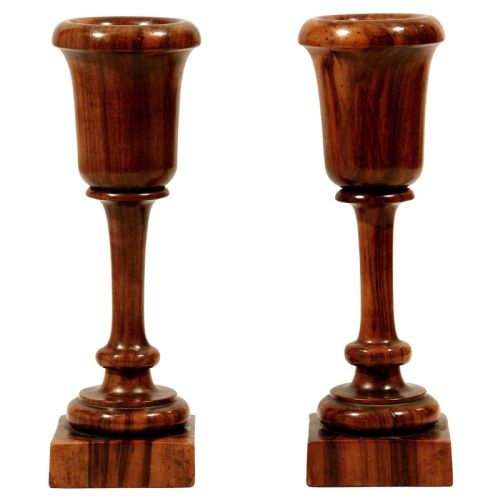
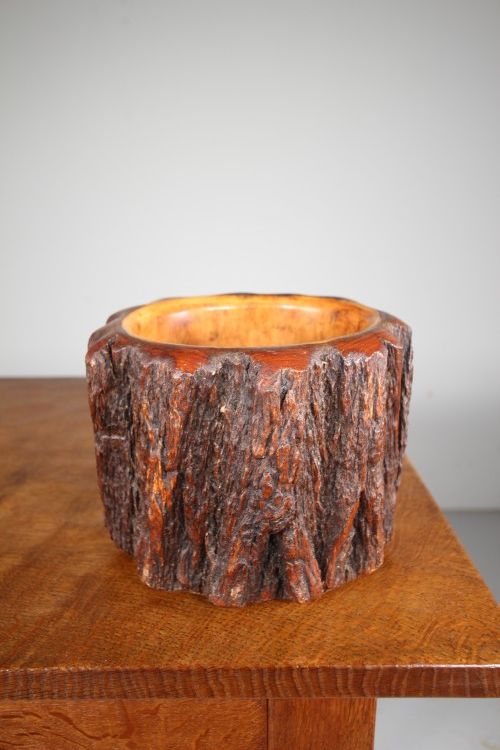


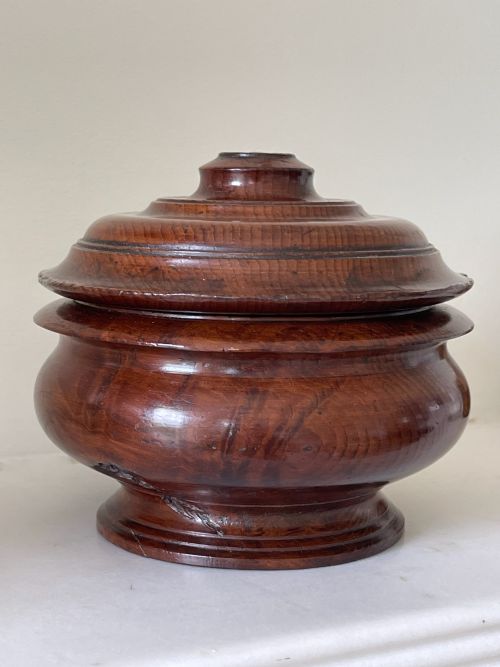


19th Century Treen Vessel
A nineteenth century treen vessel brings the warmth of turned wood into a room through simple domestic objects shaped by hand.
19th Century Treen Vessel
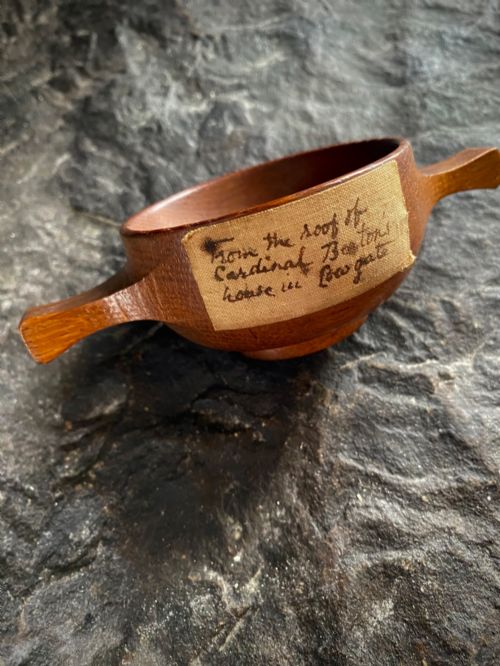
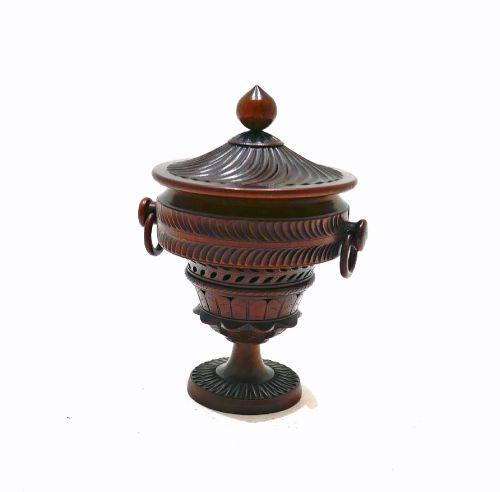
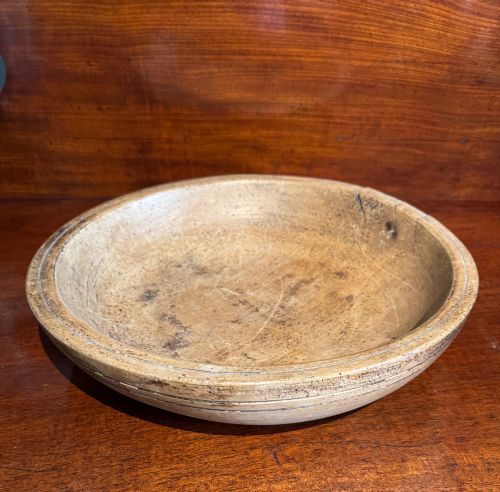
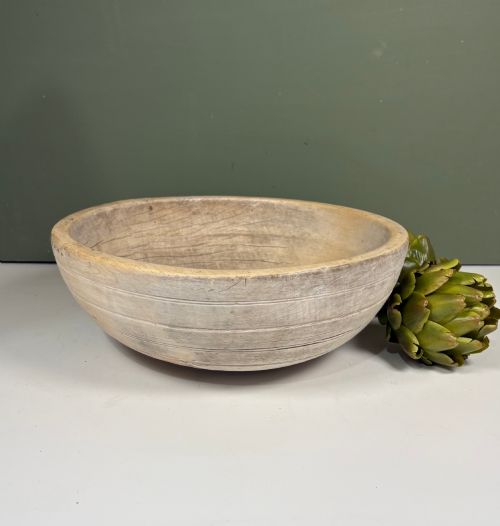
A nineteenth century treen vessel encompasses utilitarian turned and carved wooden items made for domestic tasks before the arrival of mass manufacturing. Buyers seeking these pieces encounter dairy bowls, lidded cups, spice pots, and spill vases shaped from native timbers.
The selections found here rely heavily on nineteenth century periods, including Regency and Georgian examples alongside rustic folk art pieces. These items range from plain dairy bowls to decorative urns and carved coconut flasks.
Originating from English, continental, and French provincial workshops, the objects reflect practical daily use in butter making, storage, and table service. Their survival rests in the simple utility that kept them valued across generations.
How they were made
The construction of these wooden items relied on the lathe and hand carving tools, using green or seasoned timber chosen for density and grain. Turners mounted fruitwood, sycamore, walnut, oak, and yew wood to shape vessels with smooth, concentric walls.
Specific timbers served specific functions, with dense woods like fruitwood and lignum vitae chosen for goblets and spill vases while sycamore suited large dairy bowls. Occasional additions like brass fittings completed containers designed for liquids or dry spices.
19th Century Treen Vessel Retail Price Guide 2026
Typical asking prices for 19th century treen vessel among the pieces listed under this phrase on Sellingantiques today, from the lower quarter to the upper quarter. They describe what is for sale here now, not the wider market.
Some vessels served unusual purposes, including carved coconut flasks and containers made for collecting wine dregs.
What varies in quality
Quality in these turned objects lies in the balance of the profile and the handling of the timber grain by the turner. A well proportioned wall thickness and a clean turning line distinguish a considered piece from a hurried utility item.
The character of the surface finish and the depth of handling wear define the visual success of the wood over time. Natural grain movement and smooth surfaces achieved through sustained use elevate the standing of a vessel.
The 19th Century Treen Vessel Glossary
- Treen
- Small handmade wooden domestic objects. The term covers everything from dairy bowls to spice pots created before mass production.
- Dairy bowl
- A wide wooden vessel used for setting milk to rise and skimming cream. These pieces were turned from sycamore to resist water absorption.
- Spill vase
- A small container designed to hold thin wooden spills used for lighting candles and fires. They often take a turned goblet or cylinder form.
- Pomander
- A small lidded container holding aromatic substances or spices. These turned vessels kept domestic spaces fragrant.
- Lignum vitae
- A dense and heavy timber often used for turned drinking vessels. Its oily nature made it exceptionally durable for liquid containers.
19th Century Treen Vessel: Frequently Asked Questions
What is a 19th century treen vessel used for?
These wooden items served practical roles in domestic life, from storing spices and holding candle spills to setting dairy cream.
Today they function as decorative objects on tables and shelves, bringing natural texture and historic craft into contemporary rooms.
How do I care for antique treen?
Keep wooden vessels away from direct heat sources and sudden humidity changes to prevent the timber from splitting or warping.
An occasional application of neutral wax helps maintain the surface sheen and nourishes dry historical wood without damage.
How do I tell different woods apart?
Sycamore appears pale and fine grained, making it ideal for dairy bowls, while walnut and fruitwood display richer tones and subtle figuring.
Examining the weight, colour, and grain pattern under good light reveals the timber species used by the original turner.
Are these pieces made on a lathe?
Most of these containers and vessels started on a pole lathe or foot powered lathe where the wood spun against hand held gouges and chisels.
Concentric turning marks on the interior or base often show the evidence of this traditional rotational shaping process.