



Folding Mirror Table
A folding mirror table offers adjustable reflection and surface space, bringing practical utility and period character to a dressing area.
Folding Mirror Table
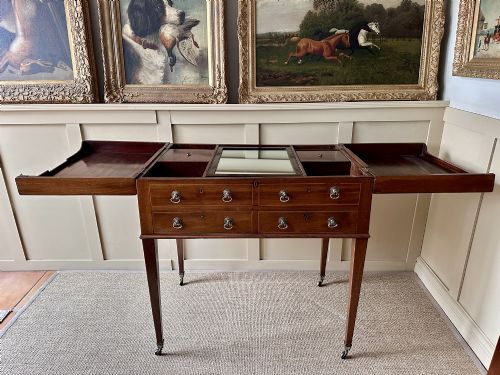
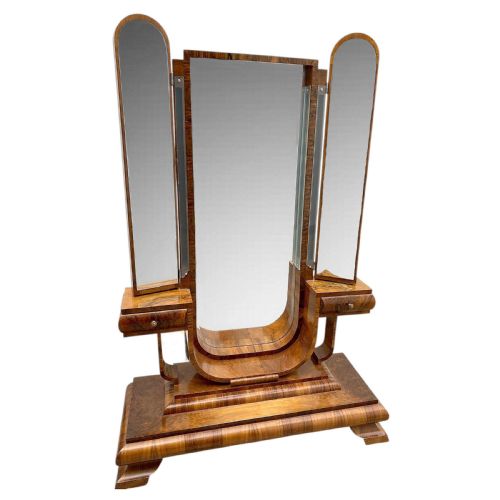
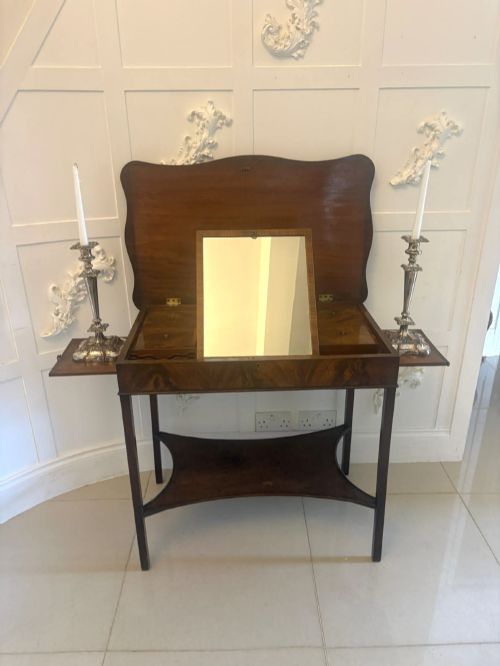
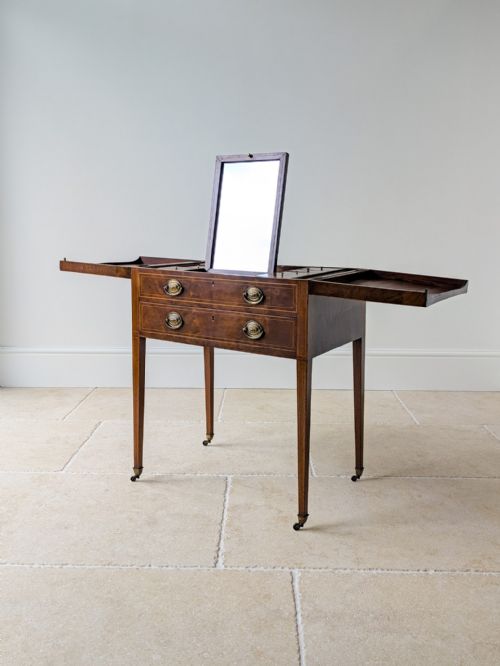
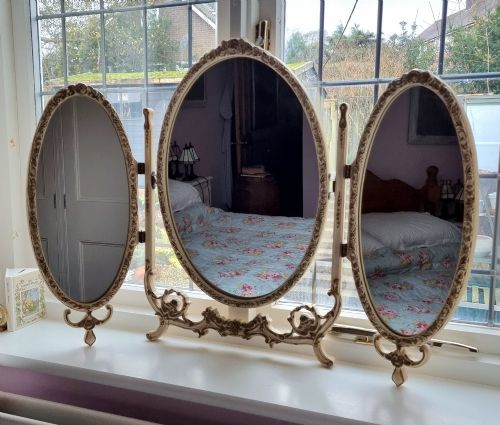
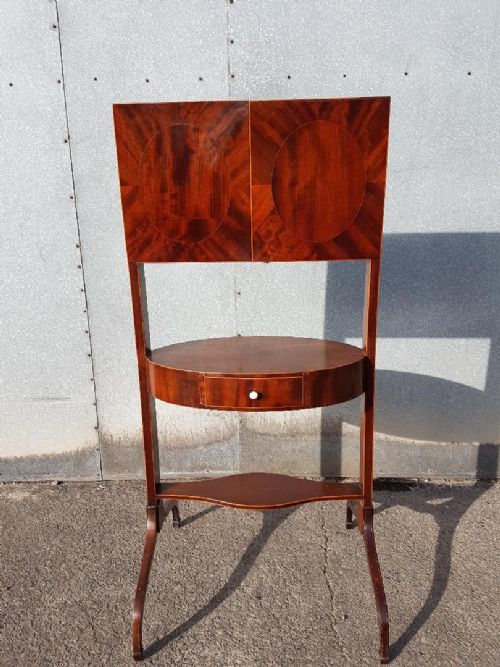
A folding mirror table combines a functional surface with adjustable glass, appearing across periods from the eighteenth century through to the early twentieth century. Buyers seeking this form will encounter larger dressing tables fitted with folding mirror plates alongside smaller tabletop vanity mirrors designed for modular placement.
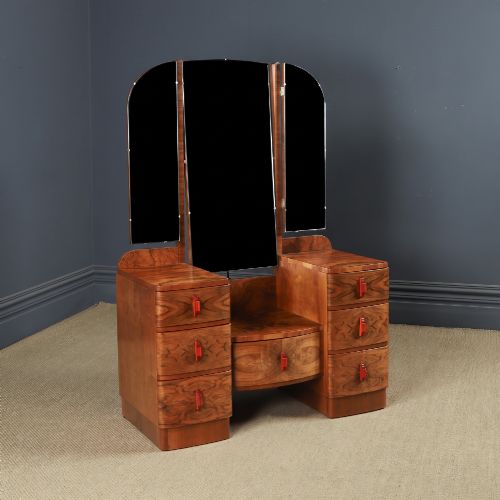
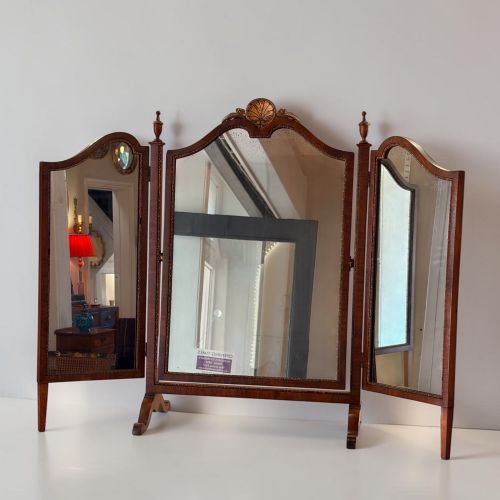
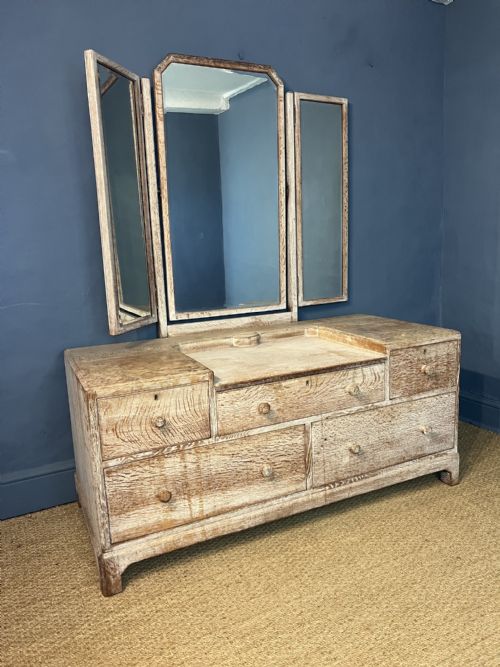
The selections span distinct stylistic revivals and functional iterations, including Georgian mahogany gentleman's wash stands, French Provincial dressing units, and Art Deco oak pieces. Many examples utilise tripartite glass configurations that pivot to provide angled side views.
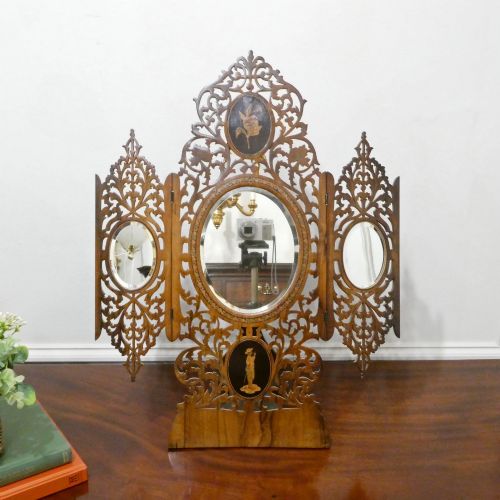
Origins vary from English cabinetmaker workshops to continental European centres, encompassing French brass dressing mirrors and inlaid Italian travel pieces. These objects serve both personal grooming needs and decorative functions within bedroom and hallway spaces.
Distinguishing quality in construction and finish
Superior examples demonstrate precise cabinet joinery, robust hinge mechanisms that hold the glass securely at various angles, and well-figured timber grains. The integration of auxiliary drawers with neat dovetailing marks the difference between basic utilitarian items and finely finished pieces.
The retention of original bevelled glass plates and matching brass hardware influences the overall integrity of a piece. Finer items exhibit crisp carving on wood frames or well-cast brass mounts, whereas lesser examples rely on simpler assembly methods.
Folding Mirror Table Retail Price Guide 2026
Typical asking prices for folding mirror table among the pieces listed under this phrase on Sellingantiques today, from the lower quarter to the upper quarter. They describe what is for sale here now, not the wider market.
Materials across the listings include mahogany, oak, satinwood, marble, brass, and glass, spanning periods from the eighteenth century to the mid-twentieth century.
Heals
The Folding Mirror Table Glossary
- Triptych
- A three-panel mirror arrangement where the outer wings fold inward to adjust the angle of reflection. This configuration appears frequently on dressing table mirrors from the Georgian period onward.
- Triplate
- An alternative term for a three-glass mirror assembly used on dressing tables. It allows the user to view profiles from multiple angles simultaneously.
- Cheval mirror
- A full-length freestanding mirror suspended on a frame with side pivots. These pieces allow the glass to swing freely through a vertical arc.
- Gentleman's vanity
- A specialised table or wash stand equipped with compartments and folding mirrors for grooming and shaving. They often date from the Georgian and Edwardian eras.
- Crossbanding
- A decorative border technique where strips of veneer are laid across the grain of the primary wood. This method highlights the edge profiles of table tops and mirror frames.
Folding Mirror Table: Frequently Asked Questions
How do I use a folding mirror table?
Position the table near a natural light source to make the most of the adjustable glass panels. Angle the folding wings inward to check side angles during daily grooming.
Keep the surface clear of heavy items to maintain stability when pivoting the mirror plates. Use a soft cloth to clean the glass without disturbing the vintage hinge fittings.
What periods do these pieces come from?
The available selection spans from the eighteenth century through the Georgian and Edwardian eras up to the mid-twentieth century. Earlier pieces often feature solid mahogany or oak construction with hand-cut dovetails.
Later twentieth-century examples incorporate Art Deco influences and limed oak finishes. Each era brings distinct hardware choices, ranging from cast brass finials to gilt gesso frames.
Are the mirrors original to the tables?
Many dressing tables retain their original bevelled glass plates, though replacement mirrors do occur over long periods of use. Examine the silvering behind the glass for signs of natural ageing and foxing.
Original brass hinges and screw fixings provide strong clues to the authenticity of the folding mechanism. Consistent wear patterns between the table base and the mirror frame further support their original pairing.
Where should I place a triptych mirror?
A triptych mirror works effectively on top of a dressing table, sideboard, or dedicated vanity unit. Ensure the supporting surface is deep enough to bear the weight when the side panels are angled outward.
Placement in a bedroom or dressing room provides the necessary clearance for opening the folding wings. Avoid areas with high humidity to protect the wooden frames and the silver backing on the glass.