
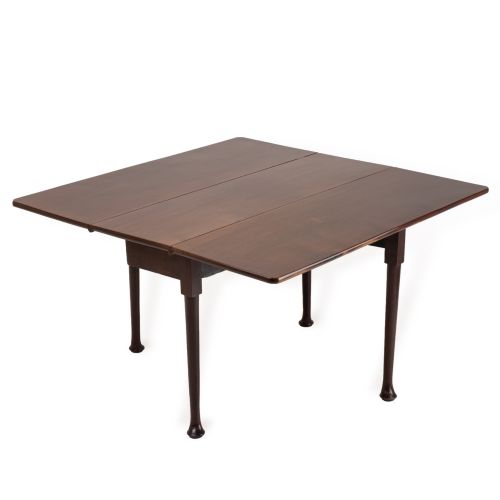


Folding Flap Dining Table
A folding flap dining table provides flexible room space through hinged leaves, offering sturdy timber surfaces that drop away when not in use.
Folding Flap Dining Table
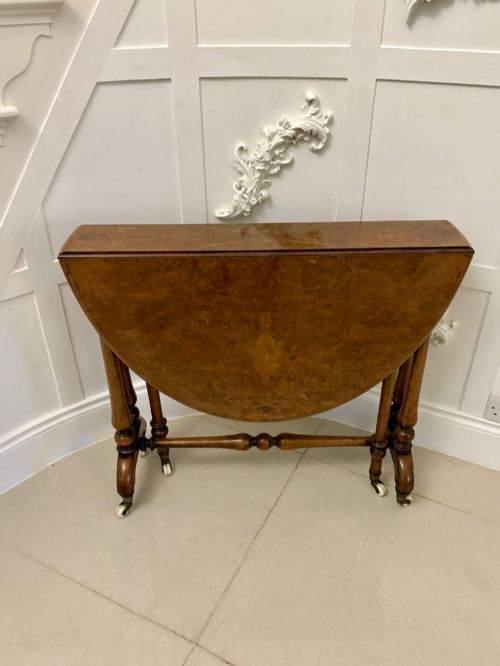
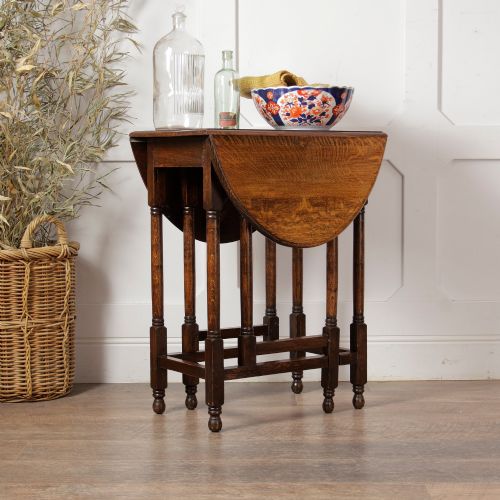
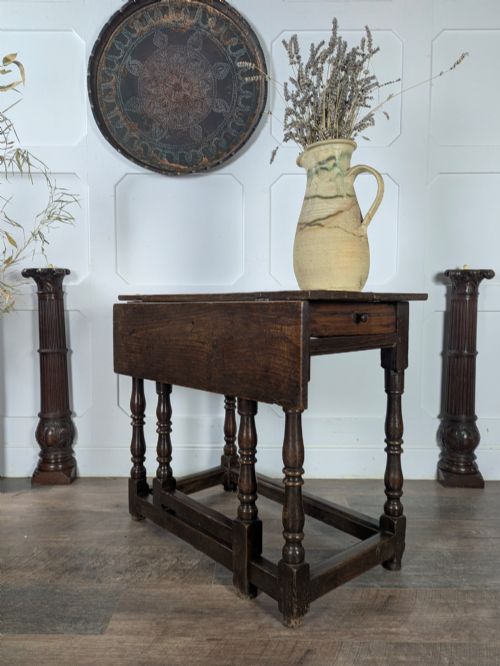
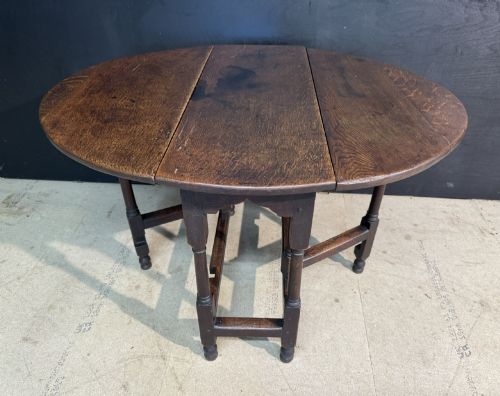
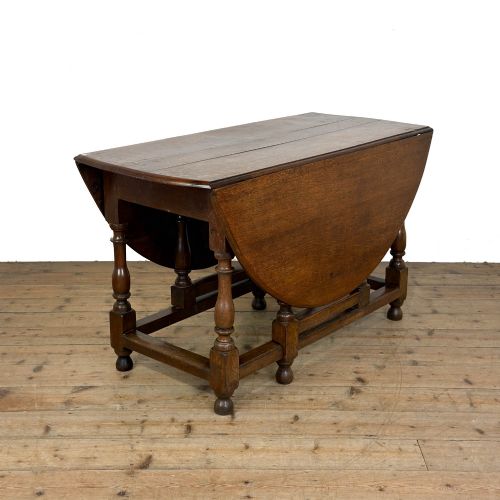
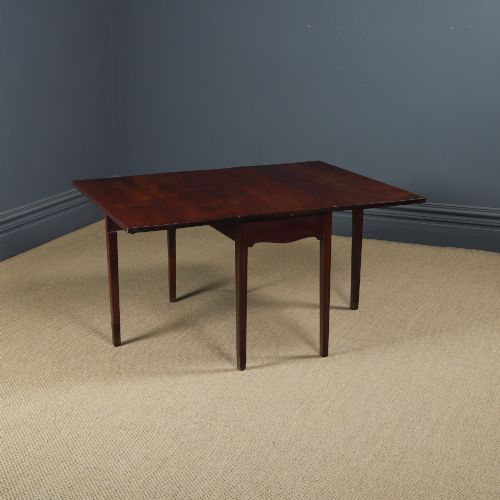
When searching for a folding flap dining table, buyers encounter versatile gateleg and drop-leaf forms that expand to seat diners and fold down for compact storage. These tables span several centuries, with robust oak examples originating in the seventeenth and eighteenth centuries, alongside refined mahogany pieces from the Georgian period.
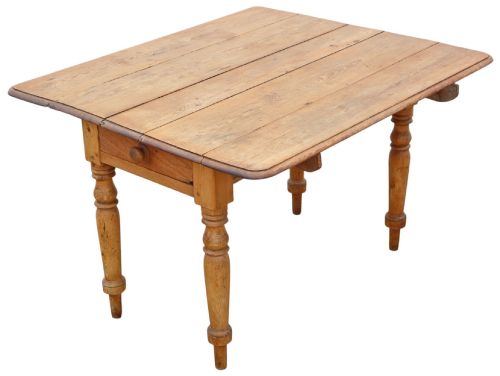
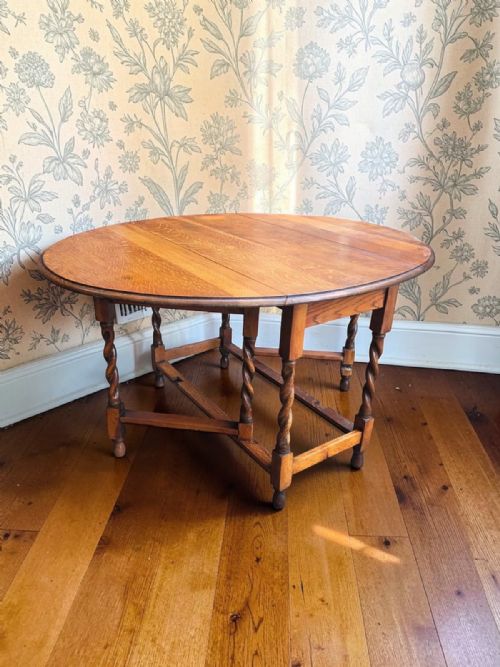
The selection includes Victorian walnut sutherland tables and pine kitchen variants, reflecting domestic utility across eras. Early seventeenth-century oak designs appear alongside Edwardian and later twentieth-century interpretations featuring barley twist legs and oval tops.
Materials and construction
Cabinet makers utilised solid timber, employing native oak for seventeenth and eighteenth-century gateleg frames and rich mahogany for Georgian drop-leaf tables. Walnut and burr walnut appear in later Victorian pieces, often displaying decorative grain patterns on the folding flaps.
Structural stability relies on hinged leg gates that swing outward to support the raised leaves, joined with traditional framing techniques. Iron and brass hardware such as hinges and castors facilitate the folding action on selected tables.
Listings span oak, mahogany, walnut, burr walnut, pine, iron and brass, covering periods from the 17th century through to the 1920s.
Assessing quality in folding flap tables
Quality rests in the selection of timber and the integrity of the pivoting leg mechanism that supports the extended leaves. Finer examples display well-figured mahogany or aged oak with deep patination, showing careful timber matching across the folding top flaps.
Construction precision dictates how evenly the leaves meet the centre fixed board when opened fully. Strong gateleg joints and minimal warping in the timber panels separate superior cabinetwork from utilitarian workshop output.
The Folding Flap Dining Table Glossary
- Gateleg table
- A table with hinged leaves supported by swinging legs that pivot outward like a gate. This design provides robust support for drop-leaf surfaces.
- Drop leaf
- A hinged table flap that folds down to save space or lifts up to expand the surface area. It rests on brackets or swinging legs when raised.
- Sutherland table
- A narrow-profile drop-leaf table with exceptionally slim folding flaps and slender legs, popular during the Victorian era. The design allows the table to fold into a very compact footprint.
- Barley twist
- A turned wooden furniture leg carved in a helical screw pattern resembling twisted barley sugar. This decorative turning appears frequently on early twentieth-century oak tables.
- Patina
- The surface sheen and mellow colour developed on timber through age, handling and waxing. A desirable patination signals long periods of careful use.
Folding Flap Dining Table: Frequently Asked Questions
How do folding flap tables work?
These tables operate by lifting the hinged side leaves and swinging supporting legs outward from the central frame. The extended flaps rest securely upon these pivoted wooden supports to form an expanded surface.
Lowering the table involves swinging the support legs back inward and letting the drop leaves hang down vertically. This mechanism allows the furniture to occupy minimal floor space against a wall.
What woods were used for these tables?
Early examples rely heavily on solid oak, particularly seventeenth and eighteenth-century gateleg models built for domestic utility. Mahogany became the predominant timber during the Georgian period for finer dining tables.
Later Victorian and Edwardian pieces frequently utilise walnut, burr walnut, and pine. Iron and brass components support the moving joints across various eras.
How can I date an oak gateleg table?
Dating relies upon examining construction methods, timber characteristics, and leg turnings such as early geometric styles versus later barley twists. Seventeenth-century pieces typically show pegged mortise and tenon joinery alongside hand-riven oak boards.
Georgian and Victorian iterations introduce finer mahogany or walnut veneers and different hinge hardware. The presence of original surface patination also guides period identification.
Are drop leaf tables sturdy enough for daily dining?
Solid timber drop leaf and gateleg designs offer high structural integrity when the pivoting leg gates are positioned correctly. The wooden frames distribute weight evenly across multiple legs.
Careful handling of the hinged leaves ensures the drop mechanism remains stable during meals. Selecting tables with solid oak or mahogany construction guarantees lasting everyday utility.