


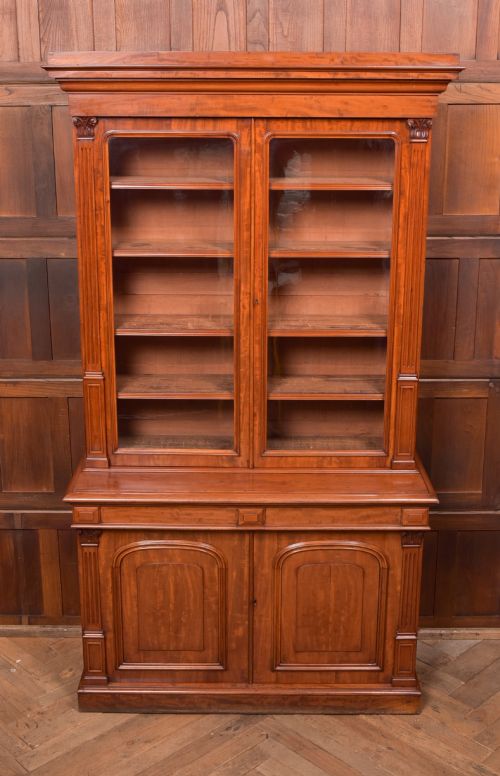


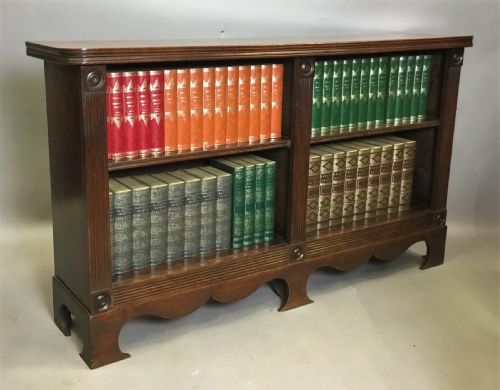
Fluted Mahogany Cabinet
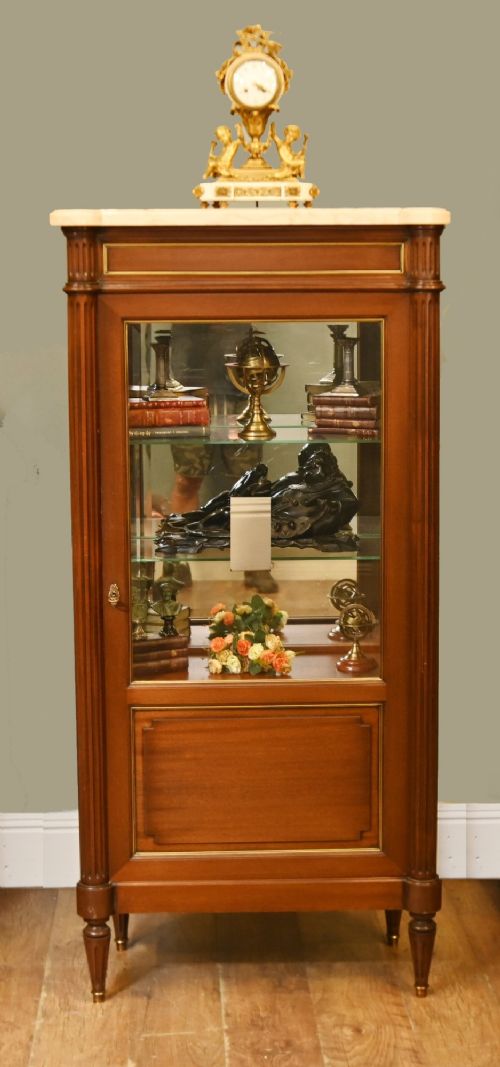
A fluted mahogany cabinet brings structural warmth and classical proportion to a room, offering refined storage through disciplined vertical carving.
Fluted Mahogany Cabinet
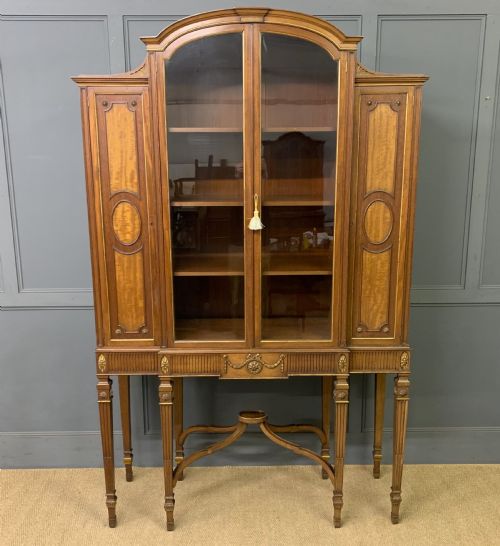
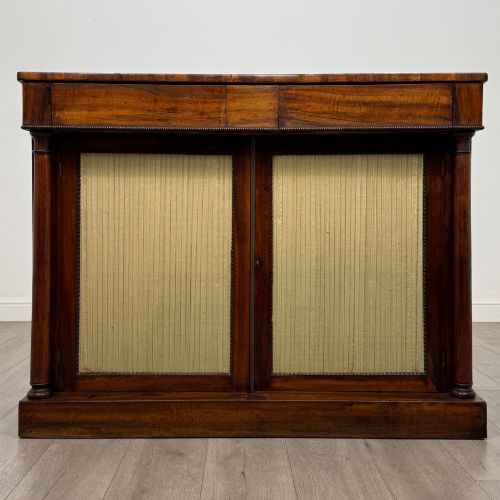
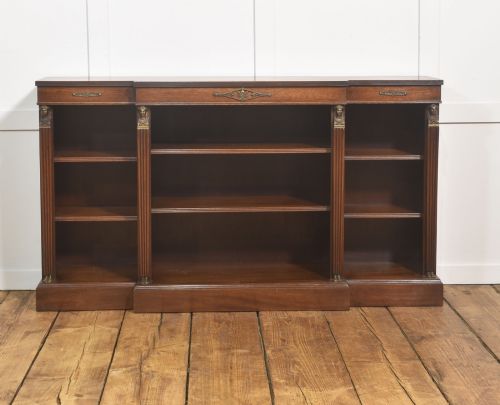
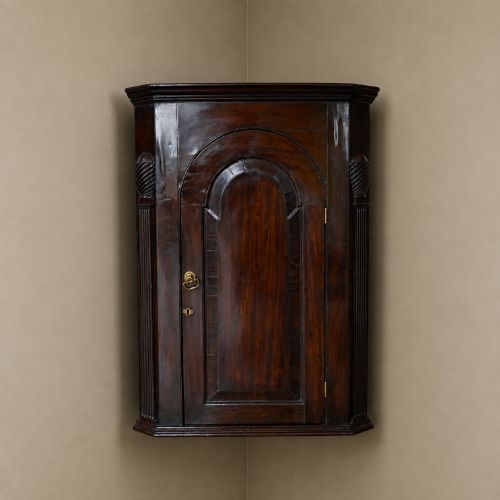
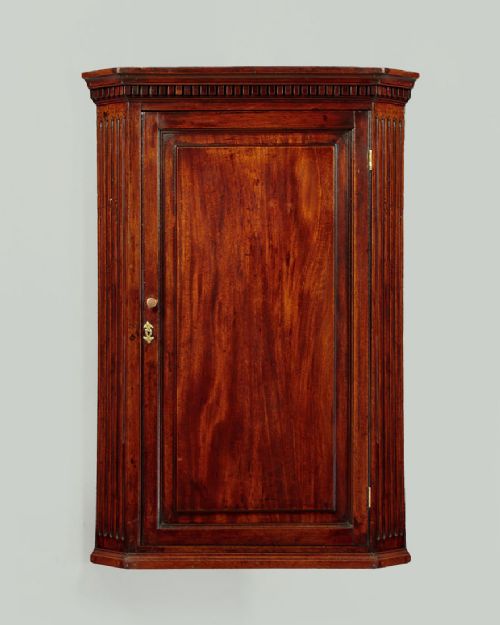
A fluted mahogany cabinet draws on Georgian, Regency, and Victorian traditions, appearing across forms such as corner cupboards, side cabinets, and bookcases.
The pieces on this page span the eighteenth, nineteenth, and early twentieth centuries, reflecting changing domestic requirements from formal dining rooms to intimate bedchambers.
Buyers seeking a fluted mahogany cabinet encounter regional pieces alongside refined metropolitan examples, utilising timbers like flame mahogany paired with brass or satinwood.
What varies in quality
The distinction between ordinary and exceptional pieces lies in the selection of timber, where matched flame grain patterns and consistent colour distribution elevate the visual impact.
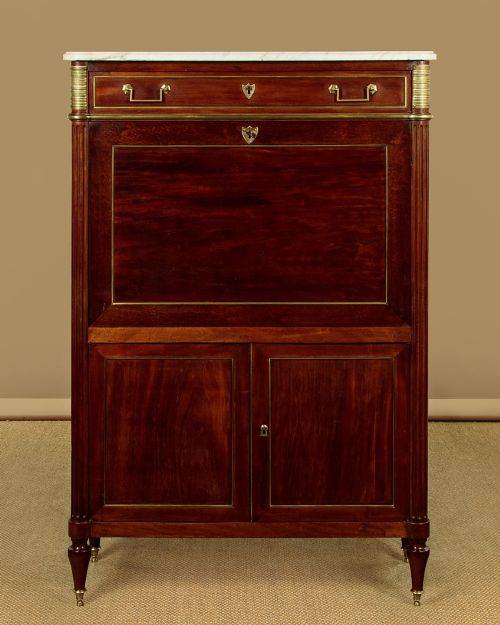
Execution of carved details such as fluting, brass mounts, and inlaid stringing demonstrates the maker's competency and the workshop's standing during periods like the Regency or Georgian eras.
Fluted Mahogany Cabinet Retail Price Guide 2026
Typical asking prices for fluted mahogany cabinet among the pieces listed under this phrase on Sellingantiques today, from the lower quarter to the upper quarter. They describe what is for sale here now, not the wider market.
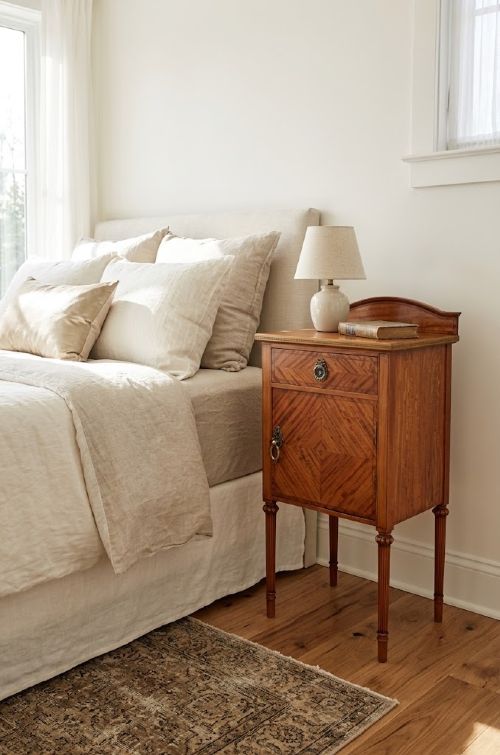
Some nineteenth-century bedside cabinets doubled as commodes, hiding domestic convenience behind impeccably fluted mahogany doors.
The Fluted Mahogany Cabinet Glossary
- Fluting
- Vertical parallel grooves carved into a column, pilaster, or furniture surface. This classical decorative technique adds visual rhythm and elegance to cabinet pilasters.
- Mahogany
- A durable, reddish-brown tropical hardwood prized for stability and grain. It served as the primary timber for fine British case furniture across multiple centuries.
- Regency
- An English design period spanning the early nineteenth century. Furniture from this era often incorporates classical motifs, brass mounts, and architectural lines.
- Breakfront
- A piece of furniture featuring a central section that projects forward from the flanking wings. This configuration creates depth and breaks up long expanses of cabinetry.
- Ormolu
- Gilded bronze used for decorative mounts on fine furniture. It provides contrasting metallic highlights against dark mahogany surfaces.
Fluted Mahogany Cabinet: Frequently Asked Questions
How do I date a mahogany cabinet?
Dating relies on examining construction methods, timber choice, and secondary woods like pine or oak used inside the piece. Tool marks left by hand saws and planes also offer clues to the era of manufacture.
Hardware such as hinges, handles, and locks provides further evidence, as manufacturing techniques shifted from hand-forged iron to machine-stamped brass over the course of the nineteenth century.
Where should I place a corner cabinet?
A corner cabinet fits naturally into unused room angles, turning dead space into functional display or storage areas. They work effectively in dining rooms for glassware or sitting rooms for books.
Ensure the wall angles match the cabinet back tightly before installation to guarantee stability and proper alignment.
How do I care for antique mahogany?
Maintain antique mahogany by keeping it away from direct sunlight and heat sources, which can dry out the timber and cause veneers to lift. Dust gently with a dry, soft cloth.
Apply a quality beeswax polish sparingly once or twice a year to nourish the wood and maintain a soft, protective sheen.
What is the difference between Georgian and Victorian cabinets?
Georgian cabinets typically emphasise clean classical proportions, restrained carving, and lighter timber selections. They reflect the influence of Palladian architecture and cabinet makers like Chippendale or Sheraton.
Victorian pieces often feature heavier proportions, darker finishes, and eclectic revivals of earlier styles, incorporating machine-assisted manufacturing methods as the nineteenth century progressed.