
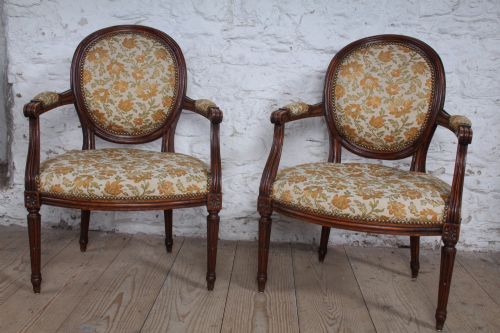

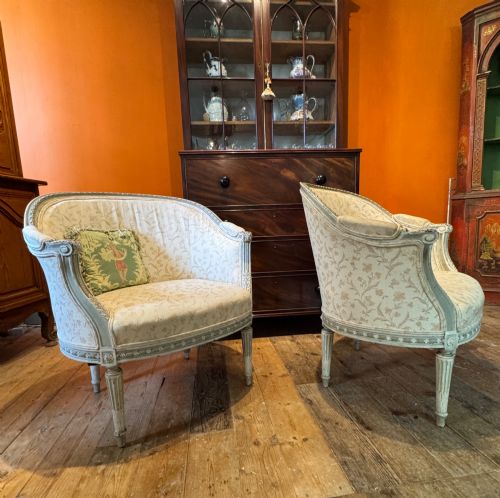
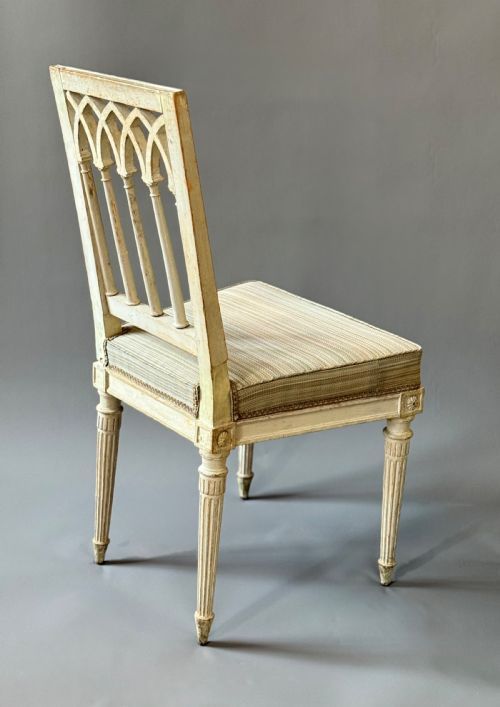
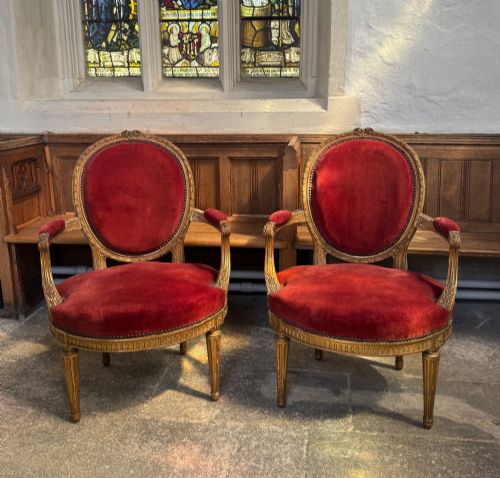
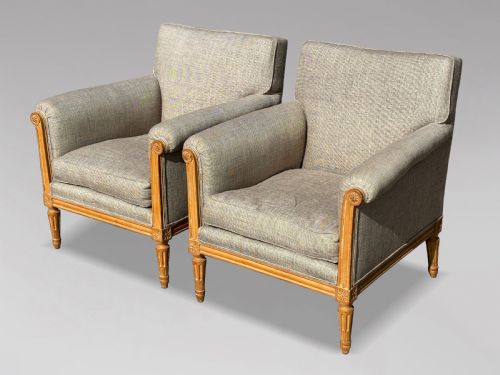


Fluted Leg French Chair
A fluted leg french chair brings neoclassical proportion and carved detail to a room, offering both seating and architectural presence.
Fluted Leg French Chair
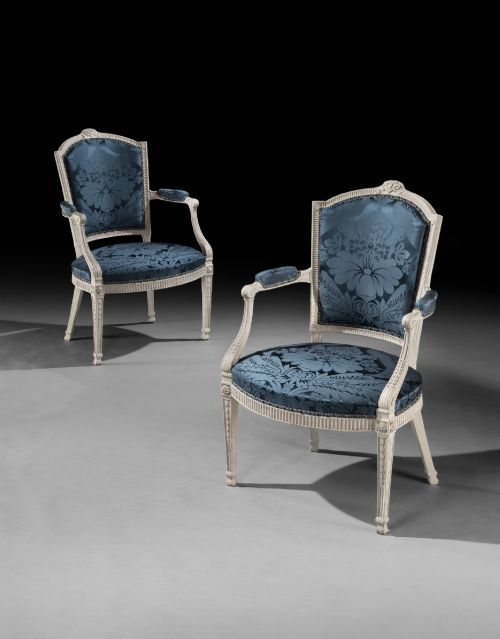
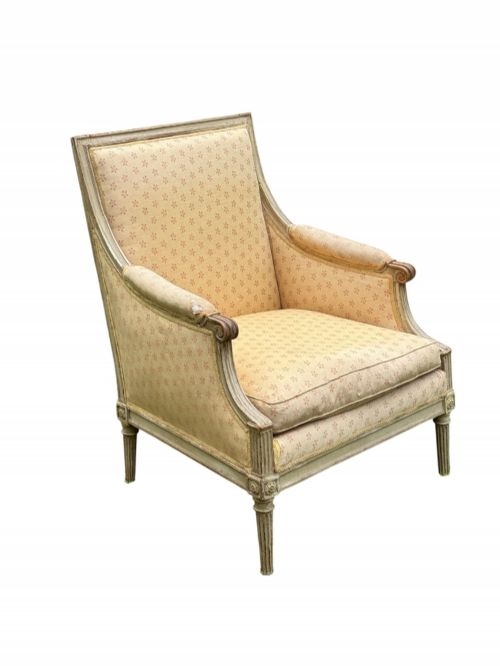
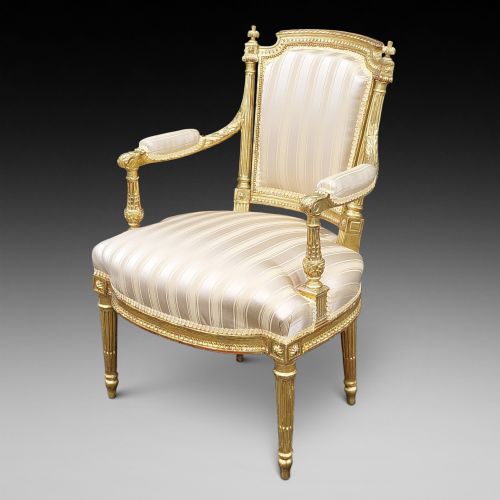
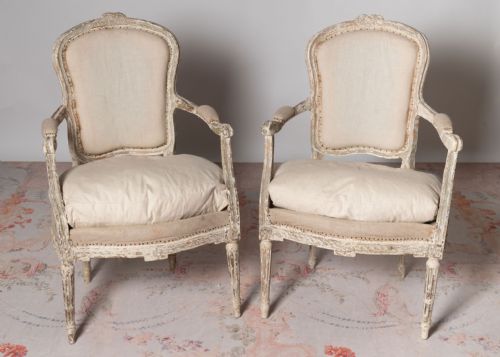
A fluted leg french chair centres on seating built within the neoclassical taste, most frequently appearing in Louis XVI style, revival pieces, and eighteenth-century origins.
Buyers encounter numerous variations on this page, ranging from single bedroom chairs and pairs of giltwood bergères to large sets of dining chairs and complete salon suites.
The form spans centuries, taking shape in nineteenth-century interpretations, Edwardian iterations, and early twentieth-century revivals alongside eighteenth-century originals.
Materials and construction
Frames rely on hardwoods such as beech, walnut, and general wood, shaped and carved into upright structural supports.
Surface finishes include original paintwork, grey paint, and giltwood applied to highlight carved architectural motifs.
Upholstery incorporates traditional fabrics, silk damask, and caning, occasionally complemented by brass detailing.
One notable set of dining chairs arrived directly from Lady Diana's Spencer House.
Distinguishing quality
Execution of the carved fluting and frame joinery separates standard production from superior craftsmanship.
Original surface treatments, whether patinated paint or layered gilding, dictate the integrity of the piece.
Henri Jacob
The Fluted Leg French Chair Glossary
- Fauteuil
- An open-arm armchair with upholstered back and seat rests, exposing wooden arms. The arm supports typically align directly above the front legs.
- Giltwood
- Timber coated with gold leaf or metal powder over a prepared gesso ground. This finish catches the light on decorative mouldings and carved details.
- Louis XVI Style
- A neoclassical design idiom characterised by straight lines, symmetry, and classical motifs. Furniture from this vocabulary rejects curved rococo extravagance in favour of geometric restraint.
- Caning
- Woven rattan or split cane used to form breathable panels for chair seats and backs. This technique provides lightweight structure within wooden frames.
Fluted Leg French Chair: Frequently Asked Questions
How do I identify a Louis XVI style chair?
Look for straight, fluted legs, geometric framing, and symmetrical neoclassical ornamentation. These elements distinguish the style from earlier curving rococo forms.
Check the stretcher connections and the carving depth on the crest rail to understand the standard of the piece.
Are painted frames original on these chairs?
Many chairs retain early or original painted surfaces, often in grey or muted tones applied over gesso and wood. Surviving original paint adds historical value to the piece.
Later repainting is common, so surface wear and underlying layers help determine the age of the finish.
How should I care for giltwood furniture?
Giltwood requires dusting with a soft, dry brush to protect the delicate gold leaf layer. Avoid liquid cleaners and direct sunlight to prevent the metallic surface from flaking.
Stable indoor humidity preserves both the gesso ground and the underlying timber frame.