

Fluted Brass Table Light
A fluted brass table light brings warm, focused illumination and classical dignity to a room.
Fluted Brass Table Light
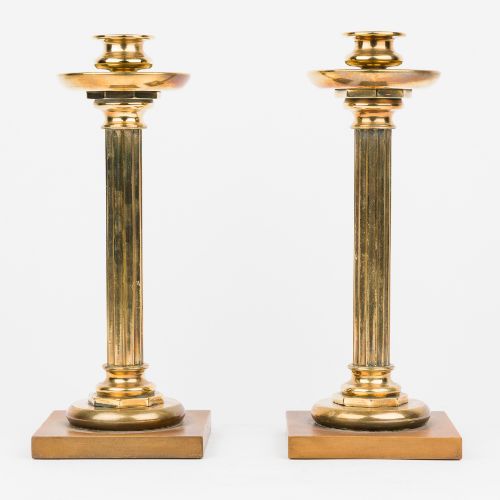
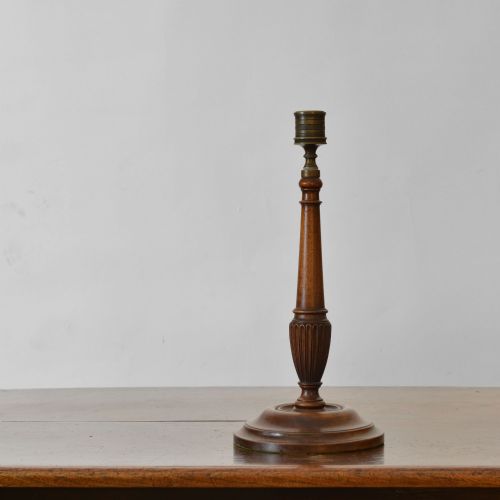
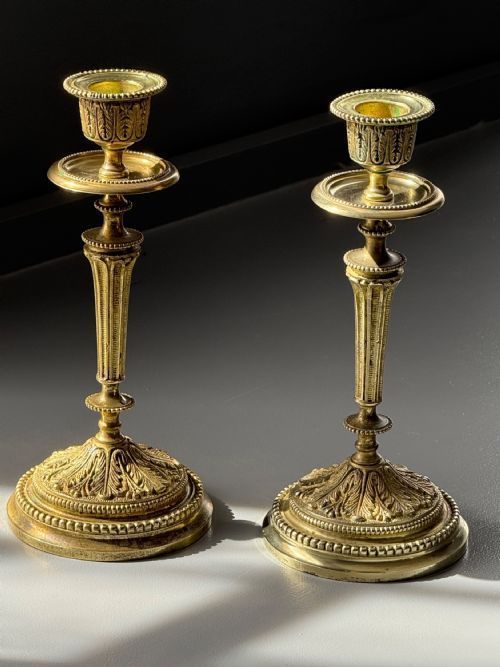
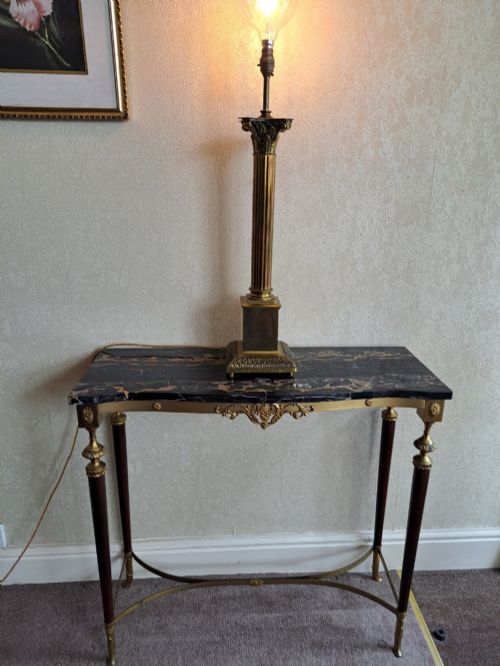
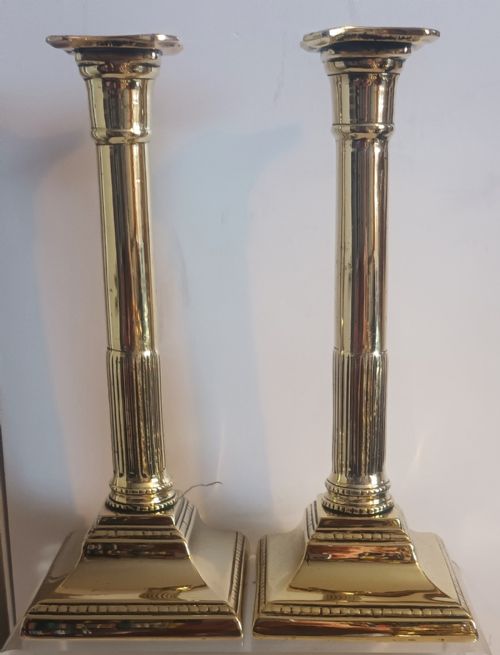
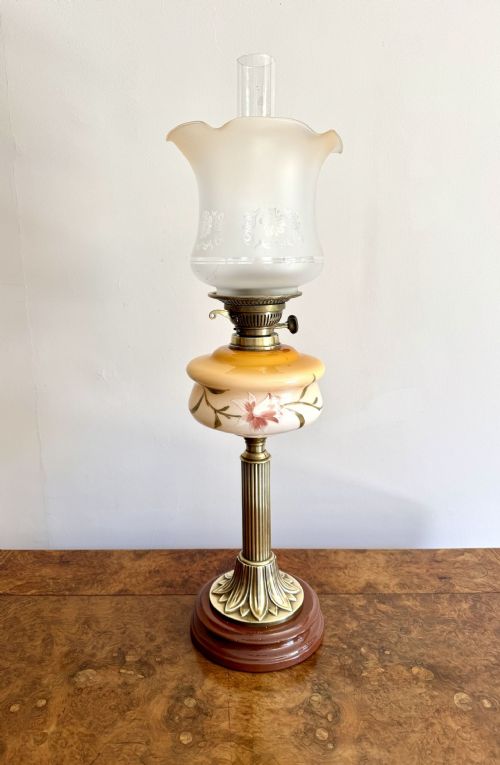
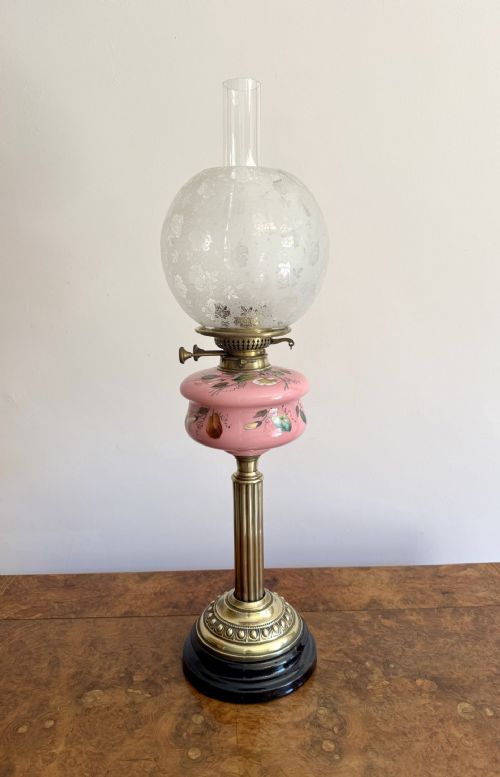
A fluted brass table light draws on historical lighting forms, frequently taking shape as converted oil lamps, classical columns, or candlesticks adapted for electricity.
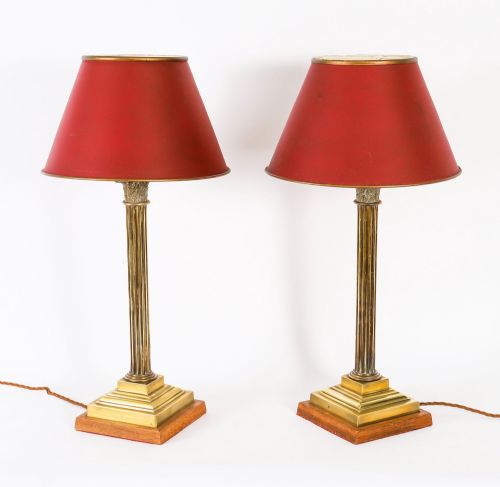
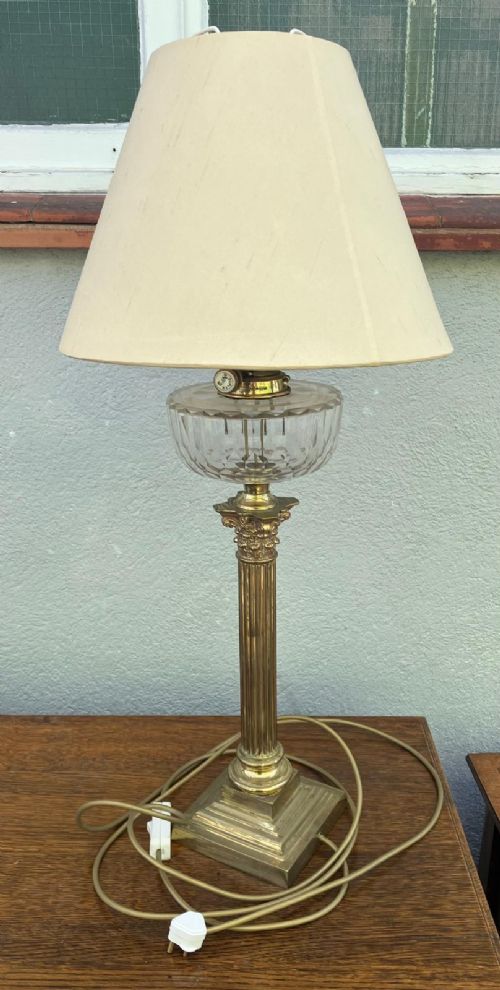
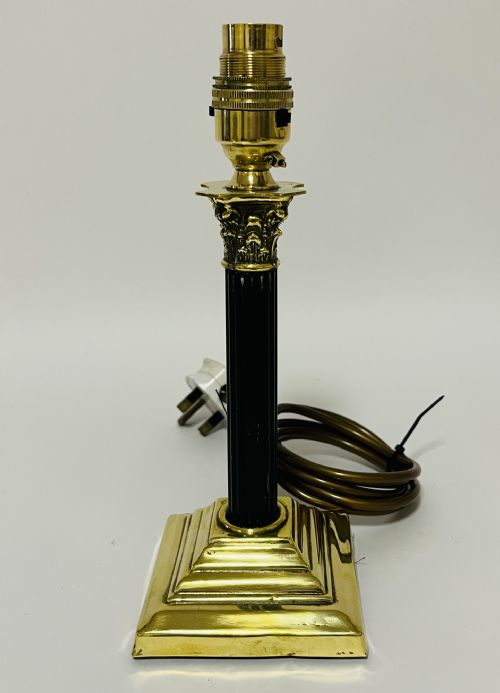
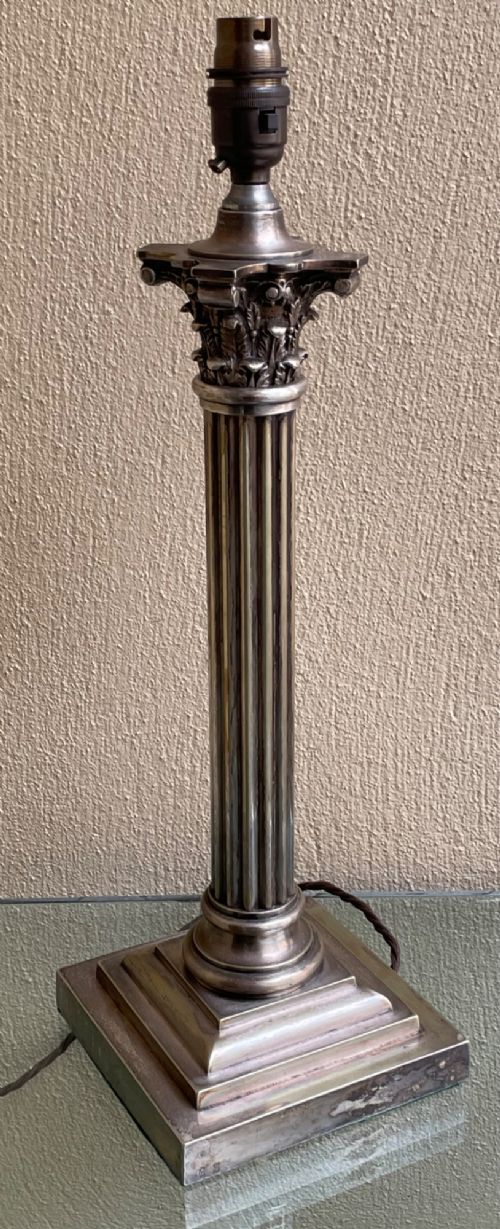
The version most commonly encountered on this page is the columnar form, rooted in Victorian and Edwardian interpretations of classical architecture.
These pieces combine functional illumination with substantial metalwork, utilising brass, bronze, and gilt bronze alongside glass, fabric, and ceramic components.
Materials and construction
Makers shaped solid brass and bronze through casting and turning, cutting vertical flutes into shafts to mimic stone columns.
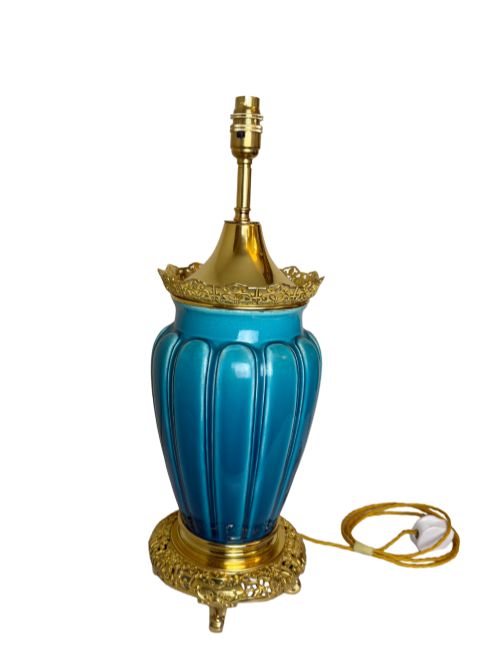
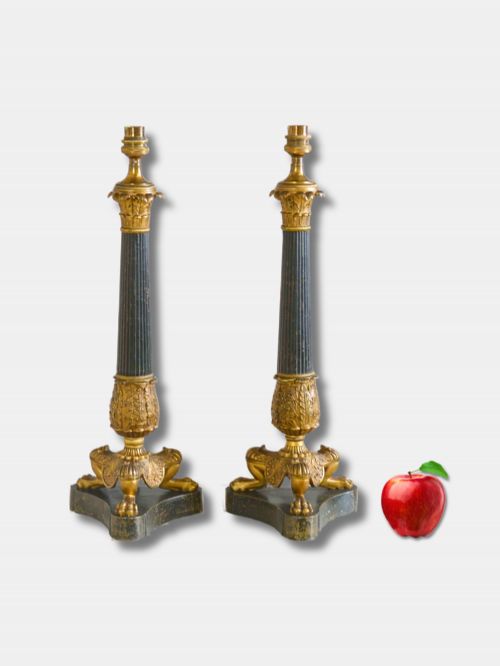
Gilt bronze and ormolu finishes added decorative brilliance, frequently paired with opaline glass shades or ceramic bases.
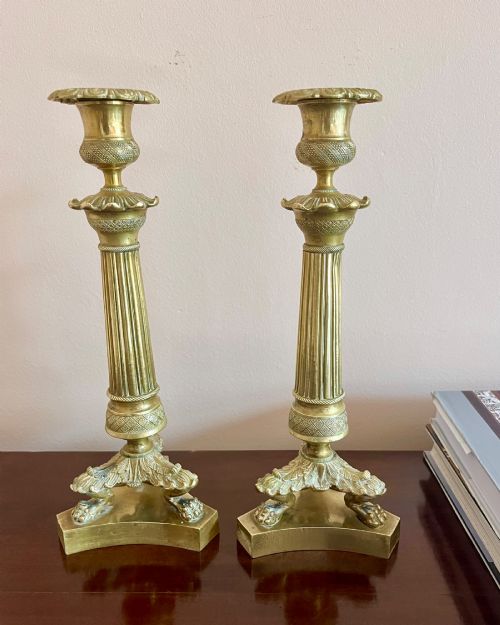
Some columns rest on fierce lions' paw feet, standing ready to prowl across the mahogany.
Judging the work
Quality rests in the crispness of the fluting and the weight of the cast metal, distinguishing refined workshop production from simpler domestic items.
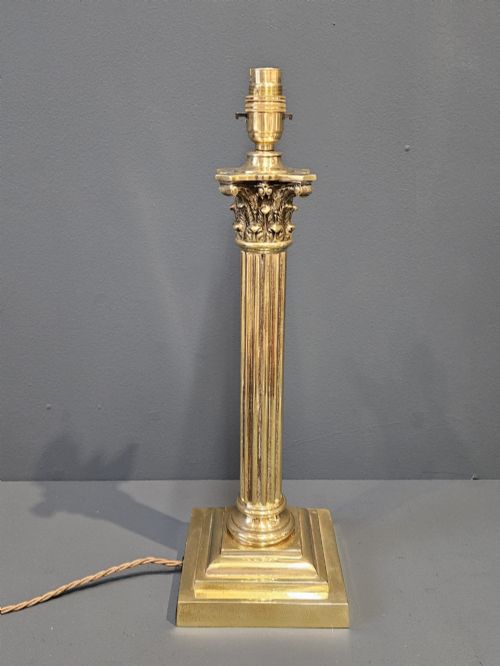
The integration of decorative details, such as Corinthian capitals, lions' paw feet, or porcelain elements, marks the distinction between standard production and exceptional examples.
Joseph Hinks
The Fluted Brass Table Light Glossary
- Fluting
- Shallow, parallel concave grooves run vertically along the shaft of a column or candlestick. This architectural detail adds linear texture and catches the light.
- Corinthian column
- A classical architectural order featuring an ornate capital decorated with acanthus leaves. Many Victorian table lamps adopt this distinct profile.
- Ormolu
- Finely ground high-carat gold applied to a bronze base using a mercury amalgamation technique. It produces a rich, durable surface lustre seen on French and English pieces.
- Opaline shade
- A milky, translucent glass shade used on oil lamps and early electric lights to soften illumination. It diffuses light evenly across a room.
Fluted Brass Table Light: Frequently Asked Questions
How do I convert an old oil lamp?
Conversion typically involves running wiring safely through the existing central column without altering the exterior metalwork.
Many period pieces arrive already adapted for modern domestic electrical use while retaining their original burners and collars.
What periods do these lamps date from?
The selection spans from the Georgian era and the nineteenth century through the Victorian and Edwardian periods into Art Deco designs.
Stylistic influences range from Neoclassical and French Empire to Louis XVI revivals.
How do I clean brass safely?
Dust gently with a soft dry cloth to preserve the accumulated patina built up over decades of use.
Avoid abrasive polishes that strip away historical surface character and the warmth of the original metal.
Are these lights usually sold as pairs?
Many examples originate as matched pairs of candlesticks or column lamps, particularly those intended for formal mantle or sideboard placement.
Single lamps also appear frequently, often surviving from larger sets or individual desk lighting arrangements.