


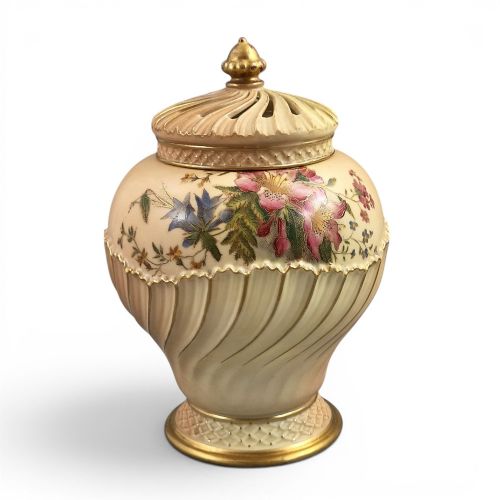


Floral Porcelain Pot
A floral porcelain pot brings botanical hand-painting and domestic utility together across centuries of ceramic history.
Floral Porcelain Pot
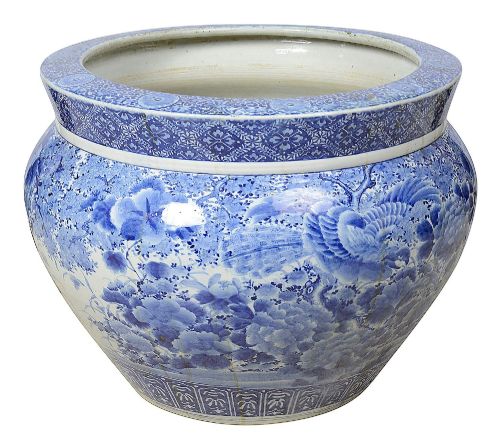
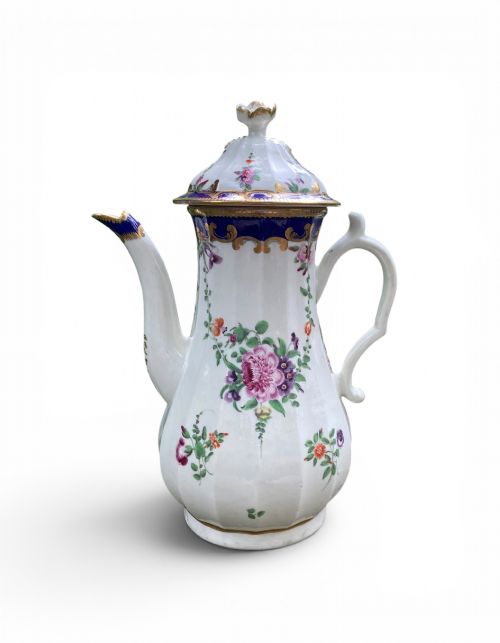
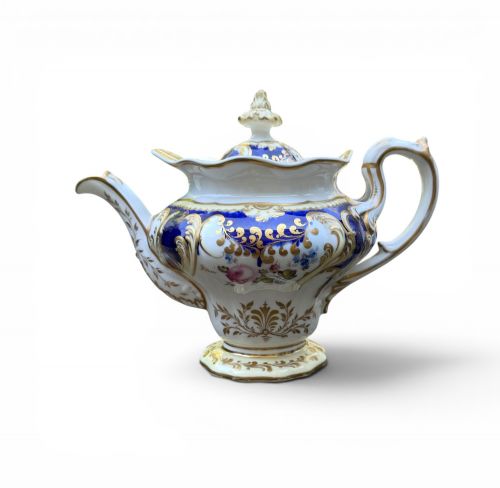
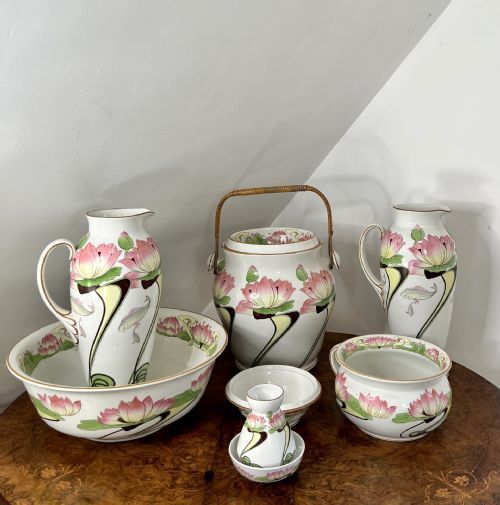
A floral porcelain pot encompasses vessels designed to hold liquids, dry goods, or decorative plants, decorated with botanical motifs rendered in various glazes and enamels. When searching for a floral porcelain pot, buyers frequently encounter pieces originating from English factories and Continental workshops dating from the eighteenth, nineteenth, and early twentieth centuries.
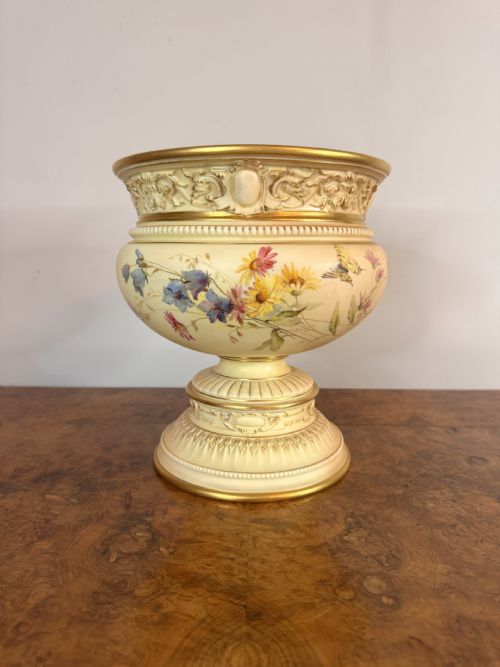
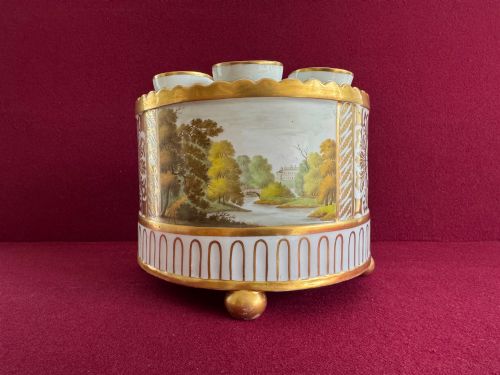
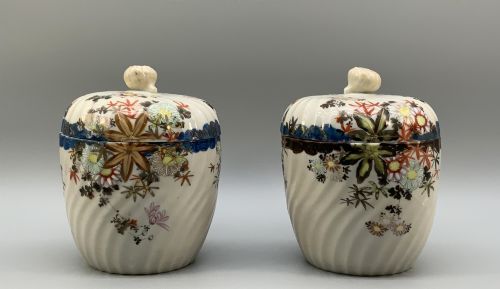
The category spans a wide variety of domestic and decorative forms, including teapots, coffee pots, lidded jars, potpourri vases, biscuit barrels, and larger jardinieres. English examples from Worcester and Royal Worcester sit alongside Japanese Imari wares, Chinese export porcelain, and European factory productions.
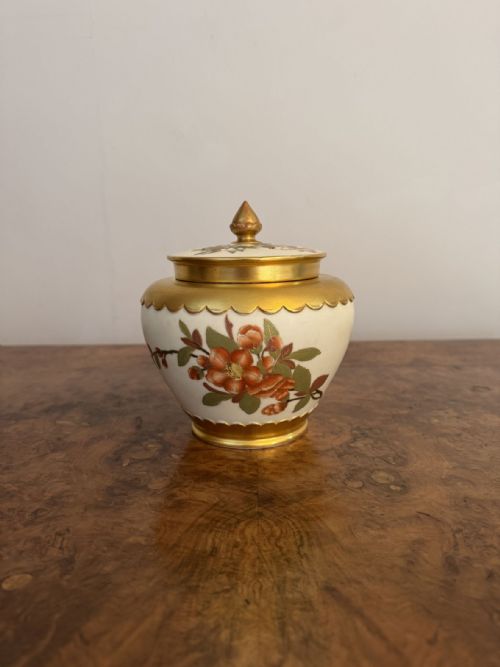
Earlier eighteenth-century specimens often take the form of delicate tableware, while later Victorian and Edwardian iterations tend towards substantial ornamental jardinieres and blush ivory potpourri jars. Each period brings distinct decorative conventions, ranging from restrained Georgian sprigs to exuberant Victorian gilding and Japanese-inspired panels.
How they were made
Potters shaped fine ceramic and porcelain bodies by hand or via moulds before applying underglaze pigments, enamels, and gilding. Artisans then fired the pieces in kilns to fuse the metallic oxides and vitreous colours permanently to the surface.
Surface ornamentation relied on manual brushwork for floral sprays, sometimes combined with printed outlines or raised slip decoration. Gilding and gold leaf were applied meticulously by hand to rims, handles, and borders to accentuate the contours of each vessel.
Floral Porcelain Pot Retail Price Guide 2026
Typical asking prices for floral porcelain pot among the pieces listed under this phrase on Sellingantiques today, from the lower quarter to the upper quarter. They describe what is for sale here now, not the wider market.
The listings span multiple centuries, incorporating eighteenth-century Georgian wares, Victorian items, and early twentieth-century Art Deco pieces.
What varies in quality
Quality rests in the crispness of the porcelain moulding, the refinement of the ceramic body, and the precision of the hand-painted botanical details. Superior pieces display delicate brushwork with subtle tonal shading in the floral elements, whereas lesser items rely on heavy transfer-printing without hand-finished nuance.
The application of gilding and enamel work also marks the division between standard production and exceptional studio output. Fine vessels retain crisp, burnished gold leaf and unblemished glaze surfaces free from excessive kiln distortion or heavy firing blemishes.
Royal Worcester·Samuel Alcock·Thomas Wolfe·Royal Doulton·Crown Devon·Royal Winton·Meissen·KPM
The Floral Porcelain Pot Glossary
- Jardiniere
- A large ornamental pot or planter designed to hold growing plants or flowers, frequently manufactured in ceramic, porcelain, or metal.
- Blush ivory
- A matte cream-coloured porcelain ground developed by Royal Worcester, typically decorated with soft floral motifs and gilt highlights.
- Famille rose
- A major palette of Chinese ceramic enamels introduced in the eighteenth century, distinguished by opaque pink or purple-red tones used to render floral and avian subjects.
- Potpourri jar
- A lidded vessel perforated to allow the diffusion of dried scented flowers and spices from within the chamber.
- Imari
- A style of Japanese export porcelain characterised by a distinct colour scheme of underglaze blue, iron red, and supplementary gilding.
Floral Porcelain Pot: Frequently Asked Questions
What is a floral porcelain pot used for?
These vessels served various functions depending on their specific form, ranging from serving tea and storing dry goods to displaying cut flowers or aromatic botanicals. Jardiniere pots held live indoor plants, while smaller jars preserved tea leaves or biscuits.
Today, collectors utilise these items primarily for display, decorative storage, or as focal points within traditional and eclectic interior schemes.
How do I identify the period of a pot?
Dating relies on examining the factory marks stamped or painted on the base, combined with stylistic cues such as glaze types and decorative motifs. Eighteenth-century pieces often exhibit hand-potted bodies and early underglaze blue, while Victorian and Edwardian items frequently feature specific manufacturer ciphers and blush ivory grounds.
Comparing the potting weight, paste consistency, and gilding style against documented factory timelines helps confirm the era of manufacture.
How should I care for antique porcelain?
Antique porcelain requires gentle handling and should be washed by hand in lukewarm water with a mild detergent when cleaning is necessary. Harsh abrasive scrubbers and modern dishwashers must be avoided to protect delicate hand-painted enamels and gold leaf highlights.
Display the pots away from direct, continuous sunlight and fluctuating temperature extremes to prevent stress on the ceramic body and glaze.
Are these pots suitable for everyday use?
While historic teapots and coffee pots were made for functional dining, many antique vessels are now treated as delicate display pieces due to their age and the fragility of their painted surfaces. Utilitarian items like biscuit barrels and jardinieres can still house dried goods or potted plants with careful handling.
Assessing the interior condition and glaze integrity helps determine whether a specific piece is robust enough for light modern service.