




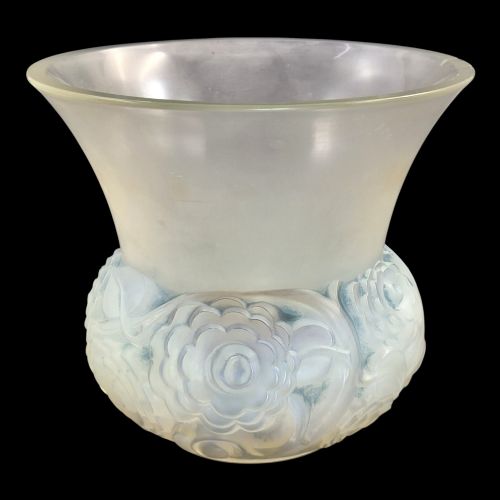
Floral Patterned Vases
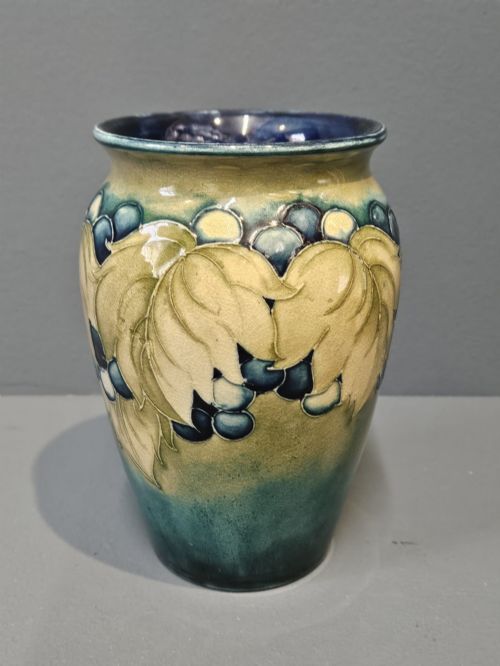
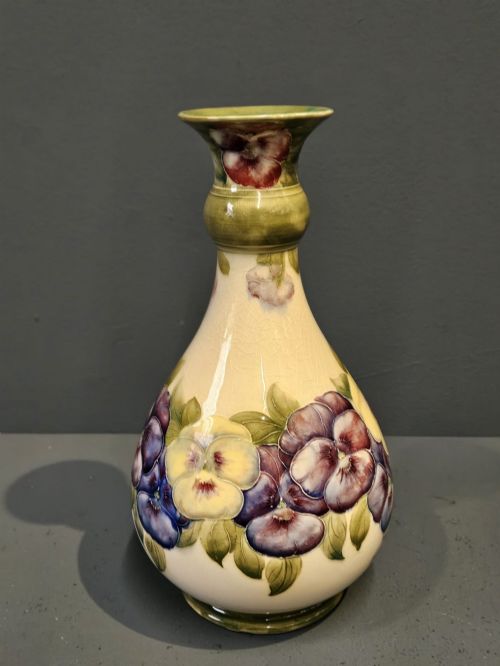
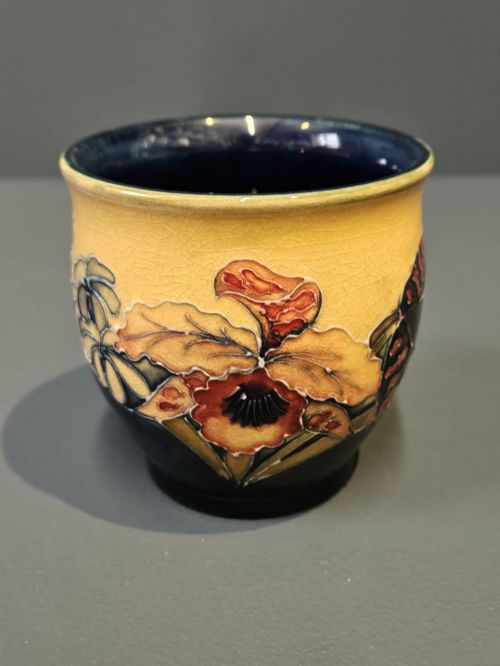
These floral patterned vases bring botanical colour and form into a room, spanning periods from the nineteenth century through the art deco era.
Floral Patterned Vases
When you search for floral patterned vases, you encounter a diverse range of decorative vessels shaped from ceramic, porcelain, earthenware, and glass. The selections span from nineteenth century examples to pieces produced through the Edwardian period and the decades of the early twentieth century.
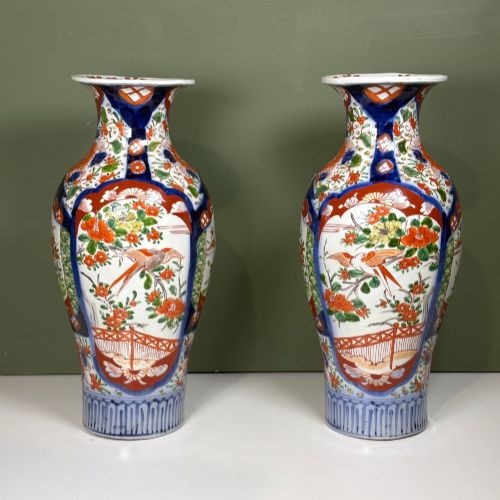
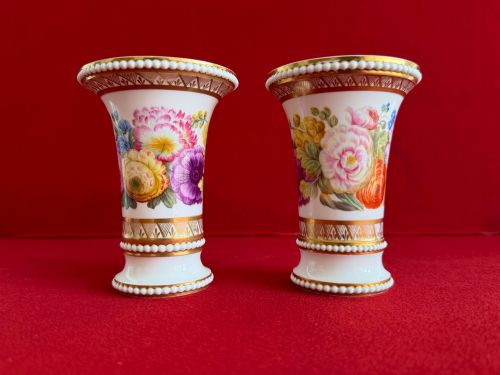
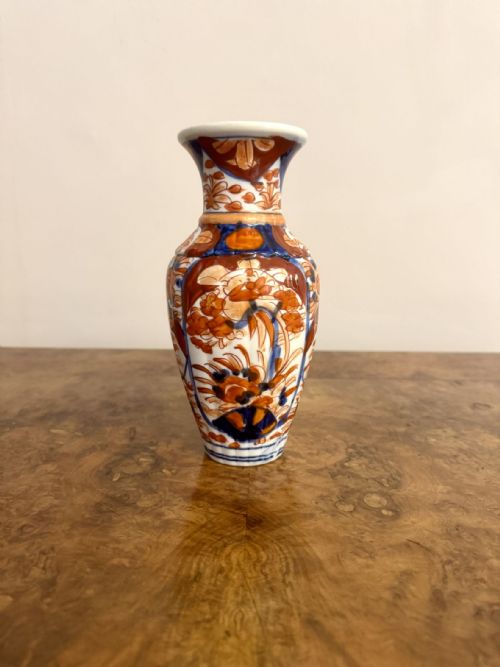
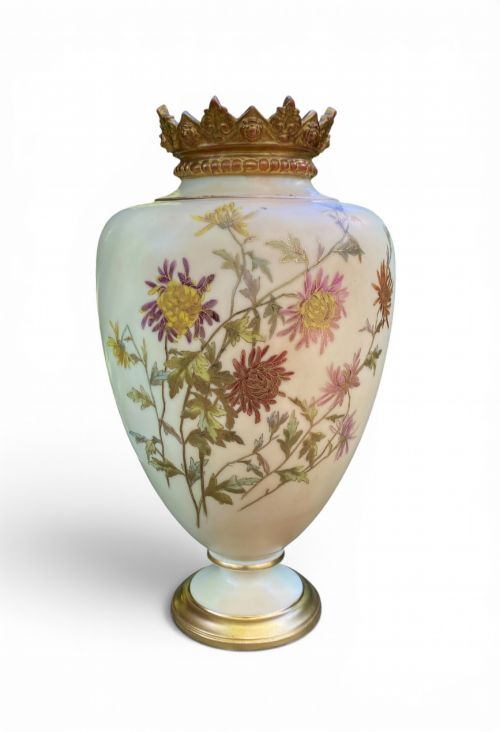
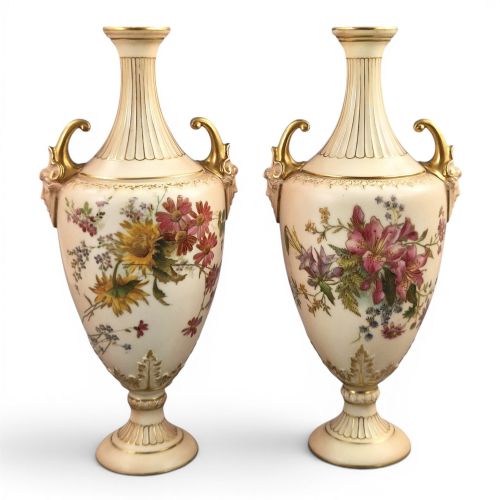
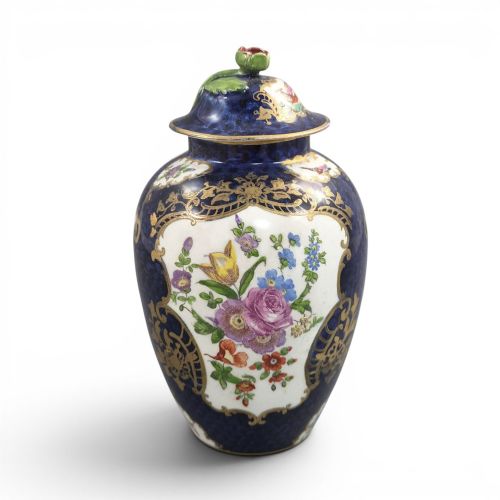
The decorative schemes draw heavily on natural motifs, featuring botanical studies, hand-painted blossoms, and orientalist designs such as Japanese Imari, Chinoiserie, and Persian patterns. Forms vary from simple spill vases and garnitures to large lidded vessels and converted table lamps.
Most items you meet on this page originate from British potteries, European glassmakers, and Asian workshops. These vessels served both ornamental and functional roles in period interiors, often displayed on mantelpieces or occasional tables.
How They Were Made
The makers utilised traditional ceramic bodies including porcelain, ironstone, and fine earthenware, shaped by hand or cast in moulds before receiving intricate surface treatments. Glazes, enamel colours, and underglaze blue transfer printing were applied to build up the floral and avian designs.
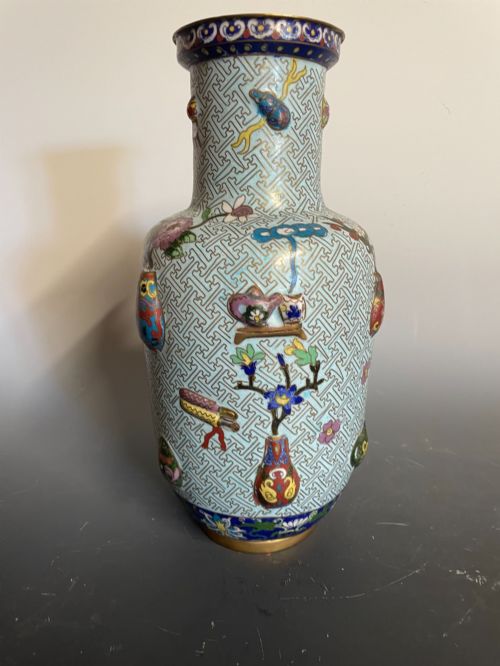
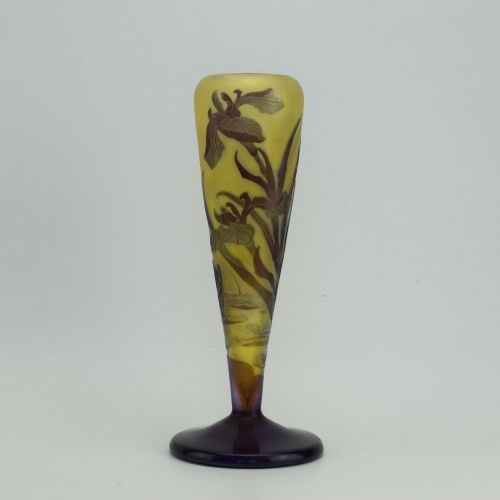
Glass vessels on this page utilise cameo techniques, where multiple layers of glass are acid-etched to reveal floral and aquatic motifs in relief. Other pieces incorporate cloisonné wirework, brass details, copper mounts, and touches of gold leaf to define the patterns.
Floral Patterned Vases Retail Price Guide 2026
Typical asking prices for floral patterned vases among the pieces listed under this phrase on Sellingantiques today, from the lower quarter to the upper quarter. They describe what is for sale here now, not the wider market.
Several vases double as table lamps, proving that nineteenth century artisans were surprisingly practical about lighting.
What Varies in Quality
Quality rests upon the crispness of the modelled form and the precision of the hand-painted or transferred botanical decoration. Pieces executed by leading factories and named designers display superior control over enamel colours and glaze depth.
The subtlety of the decorative painting and the preservation of delicate surface details, such as gilding or layered glass relief, distinguish the finer examples from standard production pieces.
Spode·Moorcroft·Lalique·Booths·Royal Worcester·Galle·Royal Crown Derby·Mason’s·Doulton Lambeth·Hakusan·Tagawa·Charlotte Rhead·Eichwald
The Floral Patterned Vases Glossary
- Imari
- A style of Japanese export ceramics characterised by a palette of underglaze blue, iron red, and gold. This decorative vocabulary was widely imitated by European potteries.
- Cloisonné
- A metalwork technique where fine wires form raised barriers on a surface, creating compartments filled with coloured enamel pastes. The object is then fired and polished smooth.
- Cameo glass
- Glass vessels formed with multiple fused layers of differing colours, carved or acid-etched to create contrasting relief patterns. This technique was favoured by art nouveau makers.
- Faience
- Tin-glazed earthenware decorated with opaque colourful glazes. It offers a smooth surface suitable for intricate floral painting.
Floral Patterned Vases: Frequently Asked Questions
How do I identify the period of a floral vase?
Dating relies on observing the ceramic body, the mark stamped or painted on the base, and the characteristic palette of the decorative style. Art Nouveau and Art Deco pieces display distinct linear motifs not found on nineteenth century examples.
Examining the glaze type and the application of enamel colours helps separate Victorian production from later twentieth century items.
What is a garniture set?
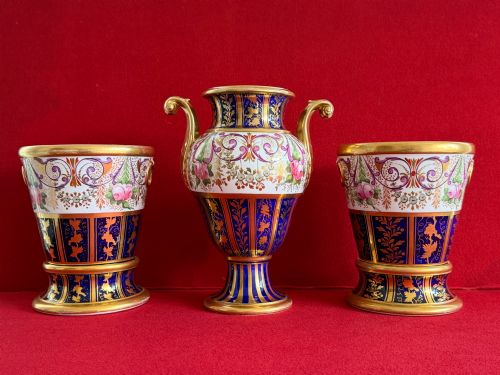
A garniture is a matching set of three or more vases designed to be displayed together on a mantelpiece or cabinet top. These sets usually feature a central lidded vase flanked by smaller matching vessels.
In period rooms, they formed a balanced decorative focal point within the interior scheme.
Where were these vases originally displayed?
These decorative vessels occupied prominent positions in formal reception rooms, dining spaces, and bedrooms of period homes. They sat on mantelpieces, side tables, and pedestals to introduce colour and botanical themes into the interior.
Larger lidded urns and floor-standing pieces often stood in hallways or corners to anchor the room's decor.