



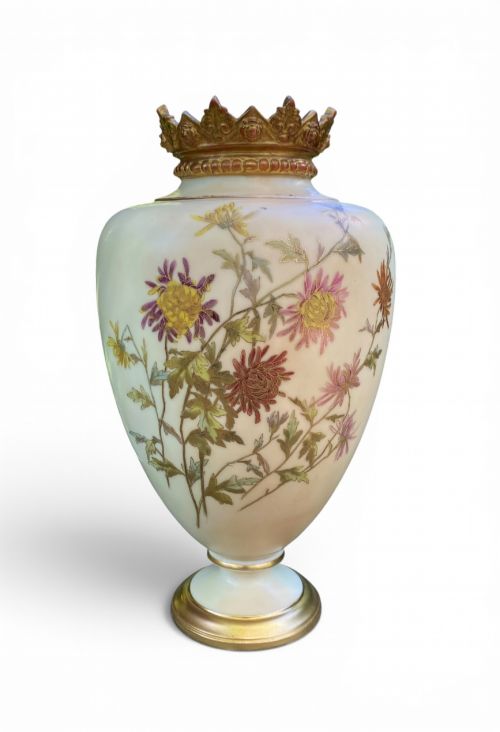
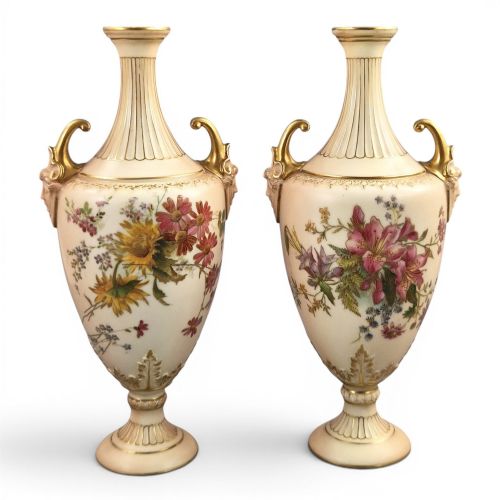
Floral Pattern Vase
When you handle a floral pattern vase, you are looking at centuries of botanical decoration rendered in porcelain, glass, earthenware and enamel.
Floral Pattern Vase
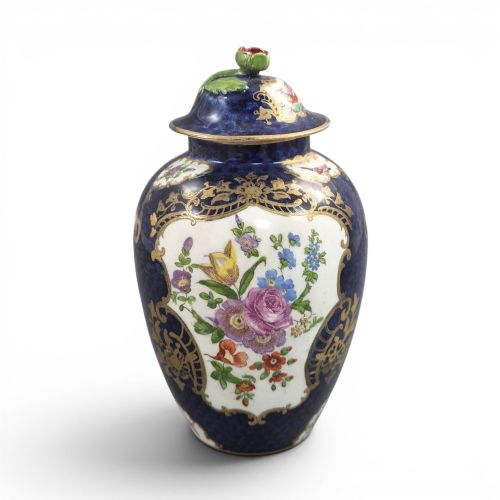
A floral pattern vase encompasses diverse forms ranging from spill vases and covered vessels to large decorative urns and converted table lamps. When exploring this selection, buyers encounter pieces spanning the nineteenth century through the mid-twentieth century, with strong representation from the Edwardian era and the 1920s.
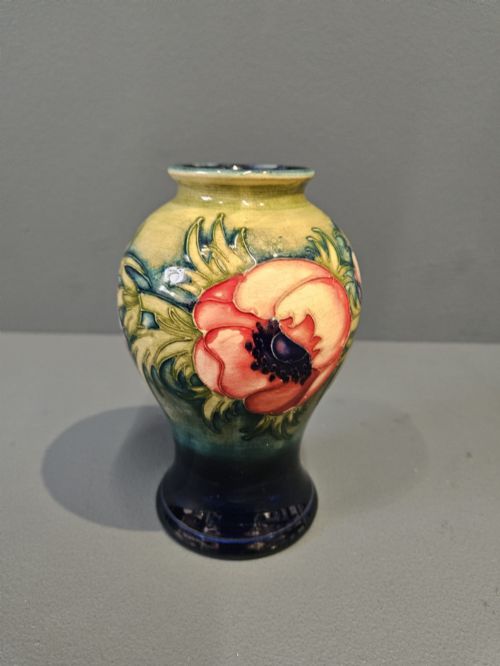
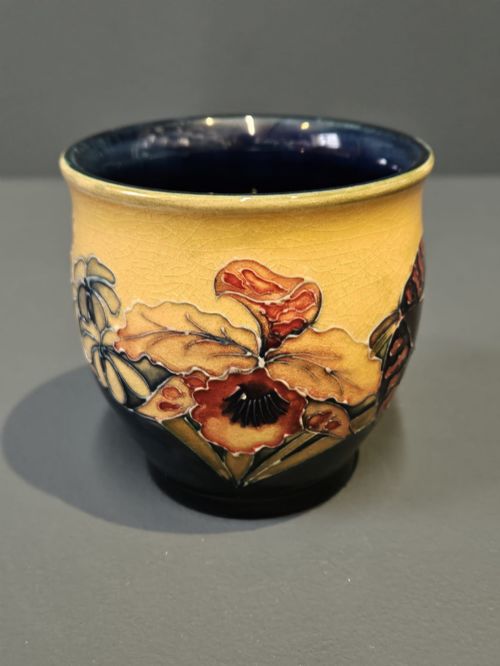
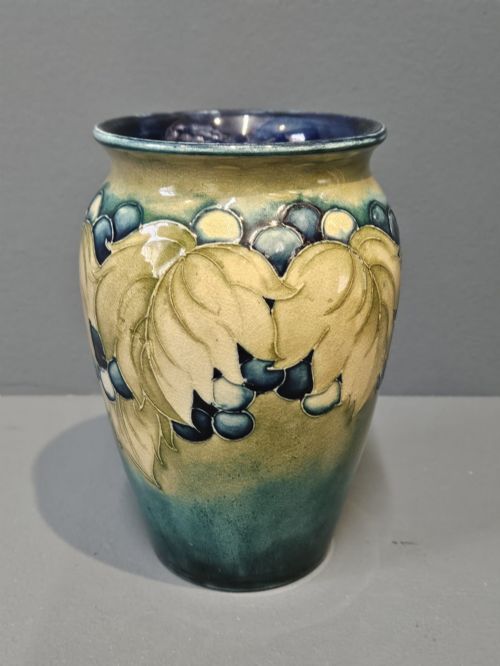
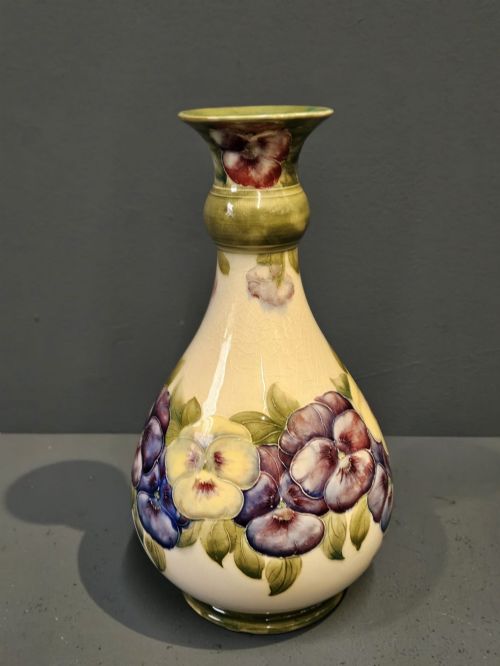
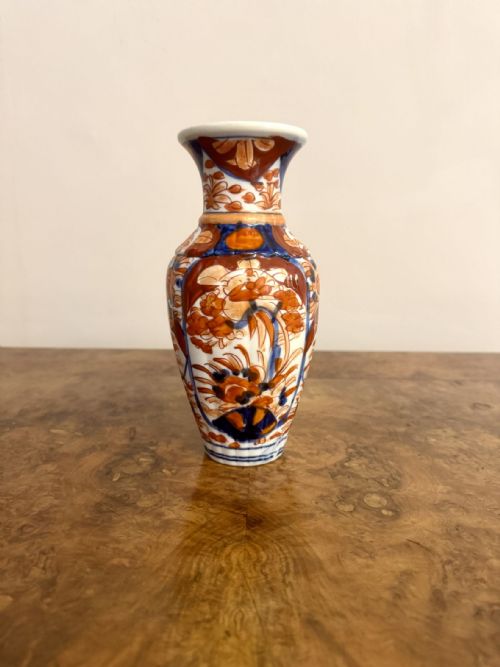
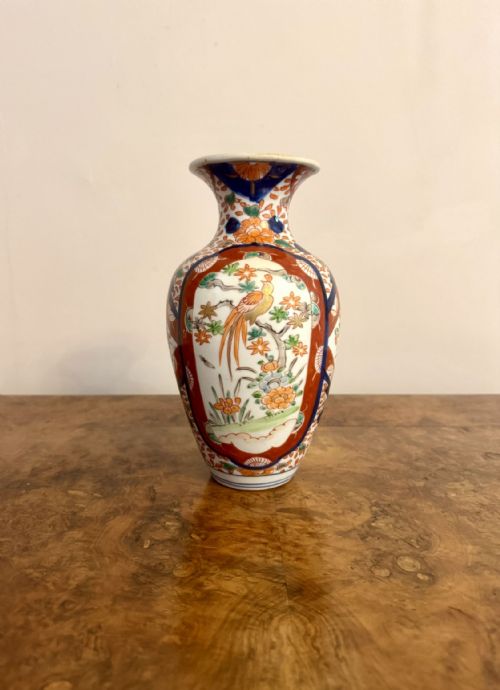
The aesthetic vocabulary stretches across distinct global traditions, including Japanese Imari and Satsuma wares, Chinese cloisonné, and European factories such as Spode, Royal Worcester, Moorcroft and Doulton. Domestic mantelpieces and cabinet displays gain immediate colour and movement from these botanical and floral motifs.
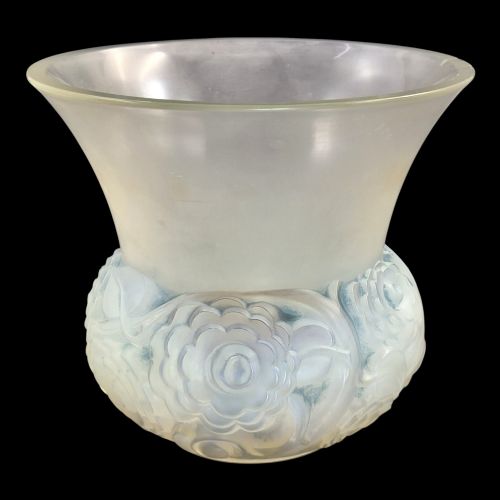
Makers utilised various bodies, applying hand-painted glazes, transfer printing, cameo glass carving, and enamel work to render orchids, pansies, berries, and peonies. Buyers meet everything from small cabinet bud vases to robust earthenware jugs bearing distinct floral patterns.
Materials and methods
Potters shaped porcelain, ironstone, and earthenware bodies on the wheel or pressed them into moulds before applying foundational glazes like blush ivory or celadon. Surface decoration often involved underglaze painting, overglaze enamels, and intricate transfer printing to secure the botanical designs.
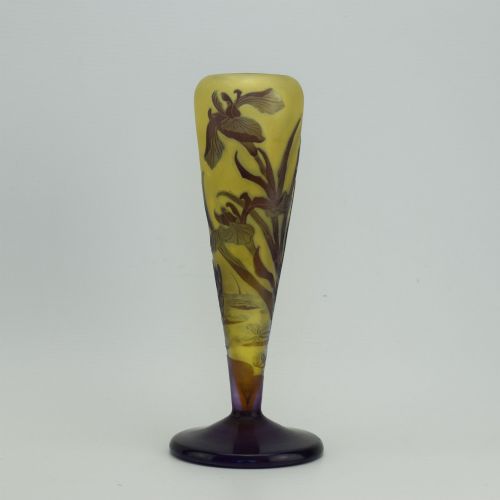
Glassmakers employed cameo techniques, acid etching layered glass to reveal delicate flower and iris motifs against contrasting grounds. Metalworkers created cloisonné pieces by soldering thin wire compartments onto copper or brass bases and filling them with coloured enamel pastes.
Floral Pattern Vase Retail Price Guide 2026
Typical asking prices for floral pattern vase among the pieces listed under this phrase on Sellingantiques today, from the lower quarter to the upper quarter. They describe what is for sale here now, not the wider market.
Several examples double as electric table lamps, proving that nineteenth-century floral vessels are remarkably adaptable room-mates.
Assessing quality
Quality rests upon the crispness of the botanical hand-painting and the depth of the glaze, whether in the fine detail of a Moorcroft slip-trailed flower or the precise brushwork of an Imari pattern. Superior examples display confident control over pigments and enamels, ensuring the floral subject possesses volume and definition rather than flat application.
The integrity of the body and the execution of secondary decorative elements, such as gilt highlights or metal cloisonné wires, dictate the tier of a piece. Finer items maintain sharpness in moulded relief and purity in coloured grounds without blurring or pooling in the kiln.
Spode·Moorcroft·Royal Worcester·Galle·Doulton Lambeth·Royal Crown Derby
The Floral Pattern Vase Glossary
- Spill vase
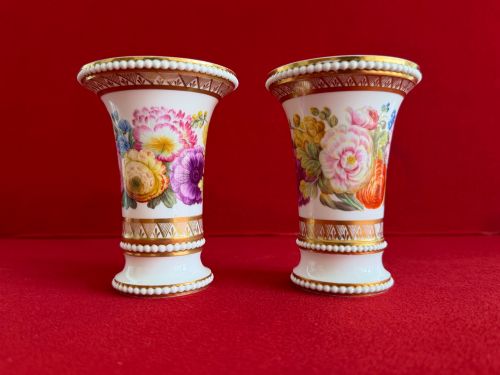
- A small cylindrical vessel designed to hold taper spills used for lighting fires and candles. These objects often feature botanical motifs and match the scale of nineteenth-century mantel furniture.
- Cloisonne
- A decorative metalwork technique where flat wire is soldered to a base to form cells, which are then filled with enamel. Pieces utilising this method present vibrant floral surfaces.
- Imari
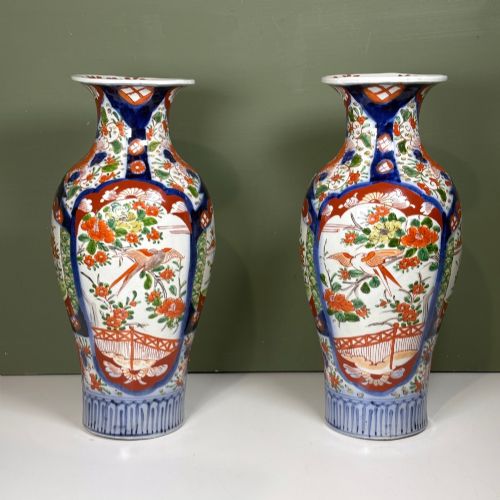
- A Japanese export style characterised by rich underglaze blue and iron-red overglaze with supplementary gold. The palette frequently incorporates floral and brocade panels.
- Cameo glass
- Glass formed with multiple layers of different colours, which are partially carved or acid-etched away to leave a raised design. Floral subjects rendered this way show distinct tonal shading.
- Garniture
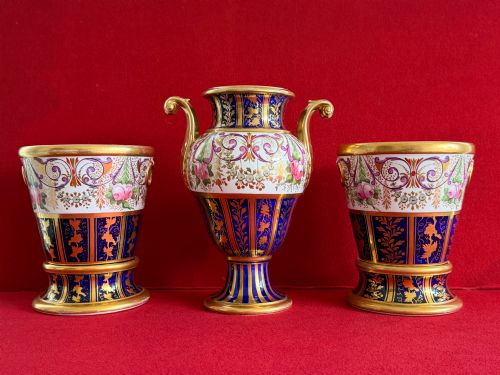
- A set of three or more matching vases or vessels intended for display together on a mantelpiece or sideboard. These matched sets coordinate in pattern and form.
Floral Pattern Vase: Frequently Asked Questions
What is a floral pattern vase used for?
These vessels functioned primarily as interior ornaments for mantelpieces, tables, and cabinets, serving to introduce colour and botanical themes into domestic rooms.
Some smaller examples, such as spill vases, fulfilled practical household duties before graduating to purely decorative roles in modern collections.
How do I date a floral pattern vase?
Dating relies on factory bottom marks, registration numbers, style periods like Art Nouveau or Art Deco, and the specific composition of the ceramic body or glass.
Comparing pattern numbers and glaze types against known factory production windows helps narrow down the decade of manufacture.
Are these vases suitable for fresh flowers?
While many ceramic and glass pieces hold water safely, antique earthenware and porous bodies require caution to prevent moisture damage to the glaze or internal structure.
Collectors frequently use waterproof liners inside older or delicate vessels if they intend to display fresh stems rather than dry arrangements.
How do I identify Japanese Imari vases?
Imari pieces stand out through their distinct palette of deep cobalt blue and iron-red, frequently accented with gold leaf overglaze details.
The surface patterns typically combine floral panels with stylized brocade designs characteristic of Japanese export wares from the Meiji period and earlier.