
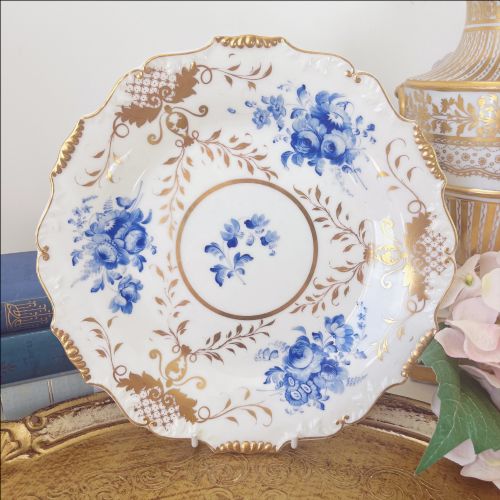
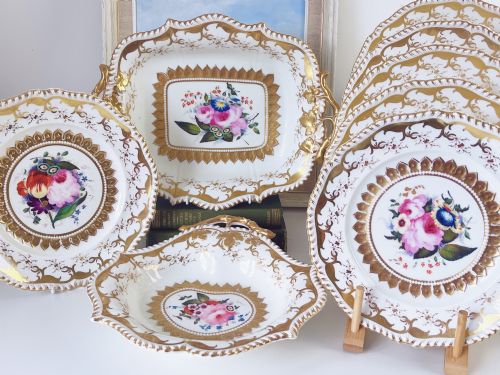
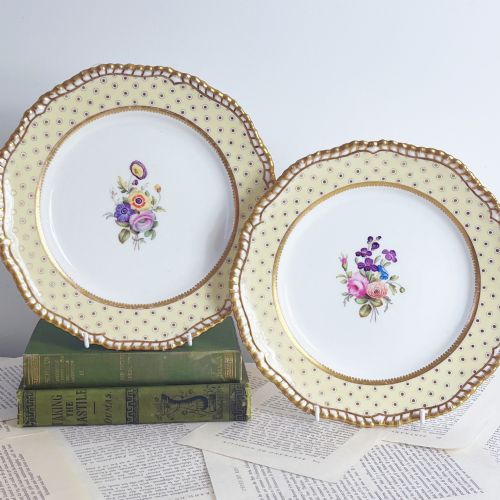
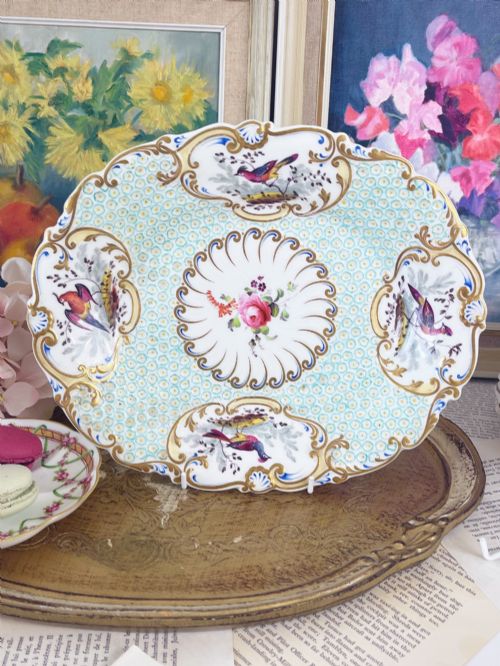


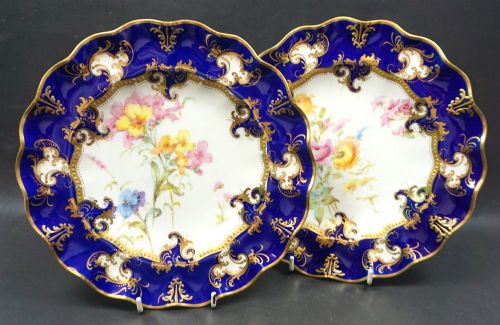

Floral Painted Porcelain Plate
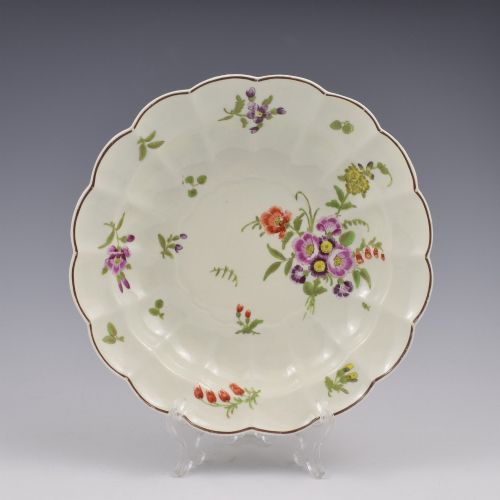
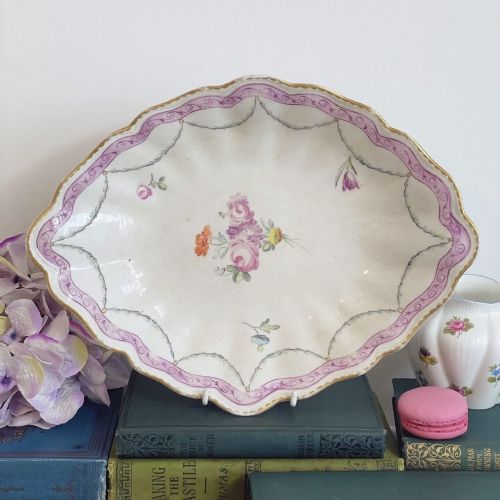
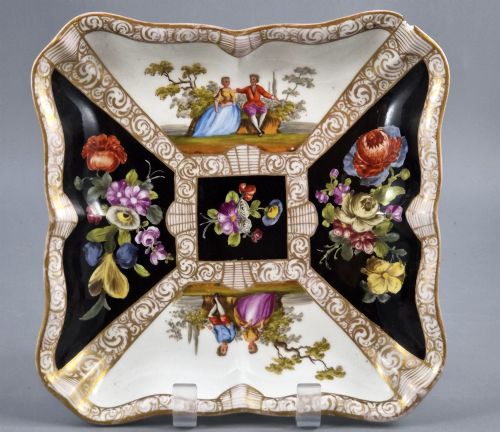
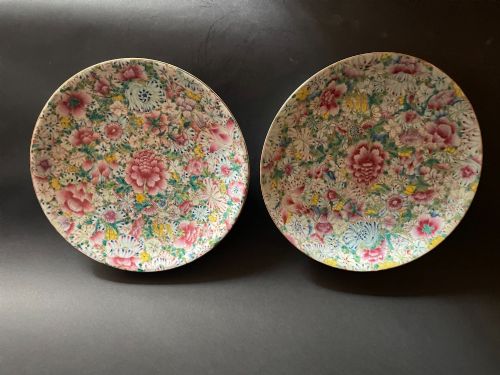
These floral painted porcelain plate pieces bring hand-rendered botanical subjects and export styles straight to your table from eighteenth and nineteenth century kilns.
Floral Painted Porcelain Plate
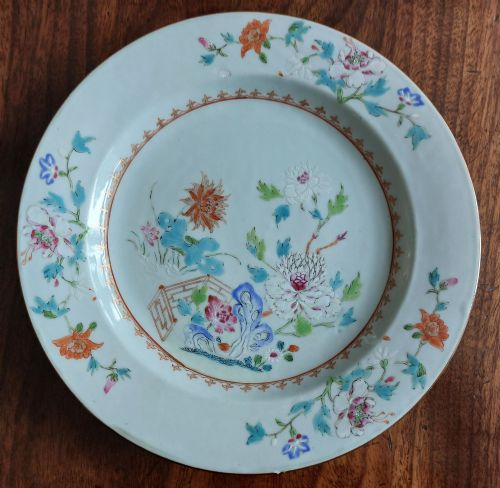
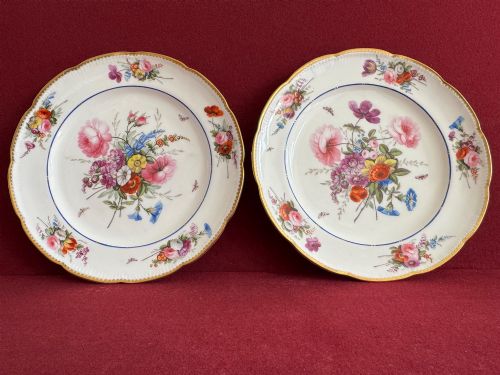
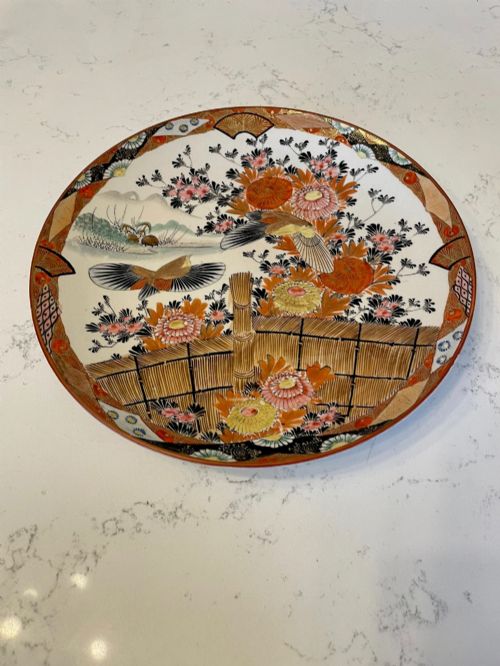
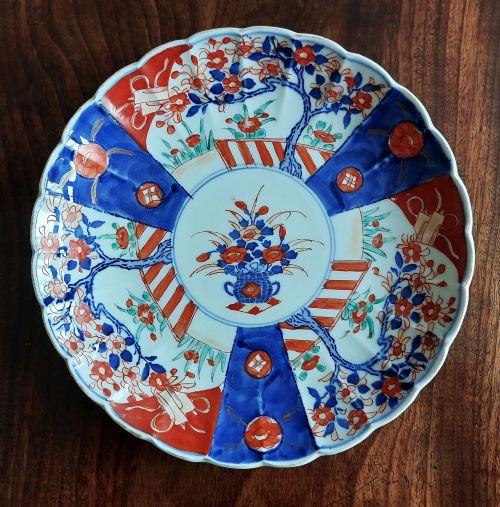
A floral painted porcelain plate is a decorative or service vessel featuring handpainted botanical motifs, floral sprays, or scenic views. The items on this page span from eighteenth-century English and continental factories to late nineteenth-century Imari chargers and early twentieth-century cabinet plates.
Forms range from lobed dessert dishes and serving platters to large chargers and complete service sets. English porcelain and ironstone factories sit alongside continental makers and Japanese export workshops.
The prevailing examples originate in the nineteenth century, covering Regency, Victorian, and Edwardian periods. Buyers encounter everything from bone china cabinet pieces to robust ironstone table wares.
How they were made
Makers utilised hard-paste and soft-paste porcelain, bone china, and ironstone as the ceramic base for these items. Potters shaped the clay on wheels or pressed it into moulds to create scalloped, square, or lobed edges.
Decorators applied enamel colours, glaze, and gold leaf by hand, often firing the pieces multiple times to set polychrome enamels and gilding. Transfer printing occasionally formed the outline before artists added handpainted infill.
Materials span traditional porcelain, bone china, ironstone, enamel, and gold leaf.
What varies in quality
Quality rests on the crispness of the handpainted brushwork and the precision of the polychrome palette. Superior examples display delicate botanical shading and careful gilding applied by named artists or major factories.
Heavier body forms and simpler transfer outlines indicate standard utility production rather than elite cabinet or dessert service tier output. The depth of the glaze and the complexity of the moulded edge further distinguish standard plates from exceptional display chargers.
Grainger Lee and Co·Spode·H and R Daniel·Worcester·Derby·Meissen·Royal Doulton·John Davenport·Coalport·New Hall·Copeland·Chamberlains Worcester·Sèvres·John Ridgway
The Floral Painted Porcelain Plate Glossary
- Porcelain
- A vitrified ceramic material made from china clay and petuntse, fired at high temperatures. It produces a hard, white, translucent body suitable for fine decoration.
- Bone china
- A type of soft-paste porcelain incorporating bone ash into the ceramic mixture. This addition increases strength and creates a warm, milky white ground.
- Enamel
- Opaque vitreous colours fused onto the ceramic surface during a secondary low-temperature kiln firing. It allows for vibrant polychrome flower painting.
- Gilding
- The application of gold leaf or powdered gold to rims and handles. It provides a metallic border that frames the central floral painted scene.
- Imari
- A style of Japanese export porcelain featuring underglaze blue and iron red, often supplemented with gold. European factories frequently copied these distinct patterns.
Floral Painted Porcelain Plate: Frequently Asked Questions
How do I display a floral painted porcelain plate?
Cabinet plates and chargers work well mounted on walls using secure wire hangers or placed upright on sturdy plate stands. Keep them away from direct sunlight to preserve the enamel colours.
For flat serving dishes and smaller dessert plates, open shelving or enclosed glass cabinets offer safe visibility. Avoid stacking decorated plates directly on top of each other without protective felts.
Were these plates used for dining or display?
Many items began as working components of larger dessert services or dinner sets used during formal nineteenth-century meals. Platters and soup plates saw active service on the dining table.
Other examples, particularly heavily gilt cabinet plates and large chargers, served primarily as decorative ornaments. Makers designed these specifically for visual appreciation in drawing rooms.
How can I tell the period from the backstamp?
Factories stamped, painted, or impressed their marks onto the underside of the ceramic body. Reference books and factory archives help match these symbols to specific production years.
Unmarked pieces require analysis of the paste, glaze characteristics, and painting style. Stylistic clues such as Regency shapes or Victorian floral motifs narrow down the date.