


Floral Needlepoint Panel
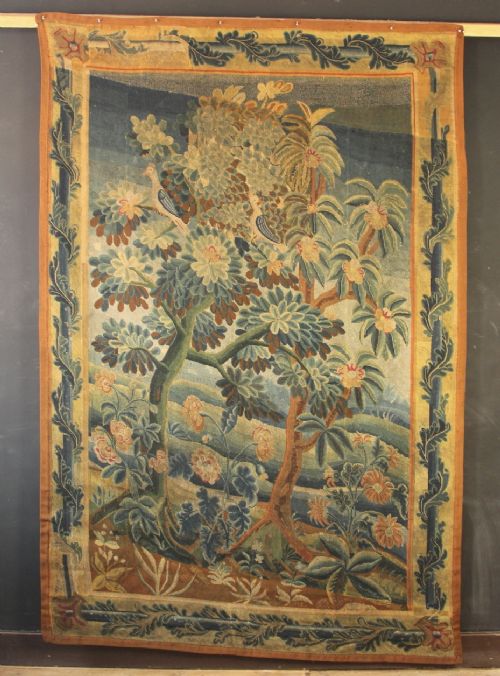
A floral needlepoint panel brings textile artistry into a room, offering tactile depth and historic character.
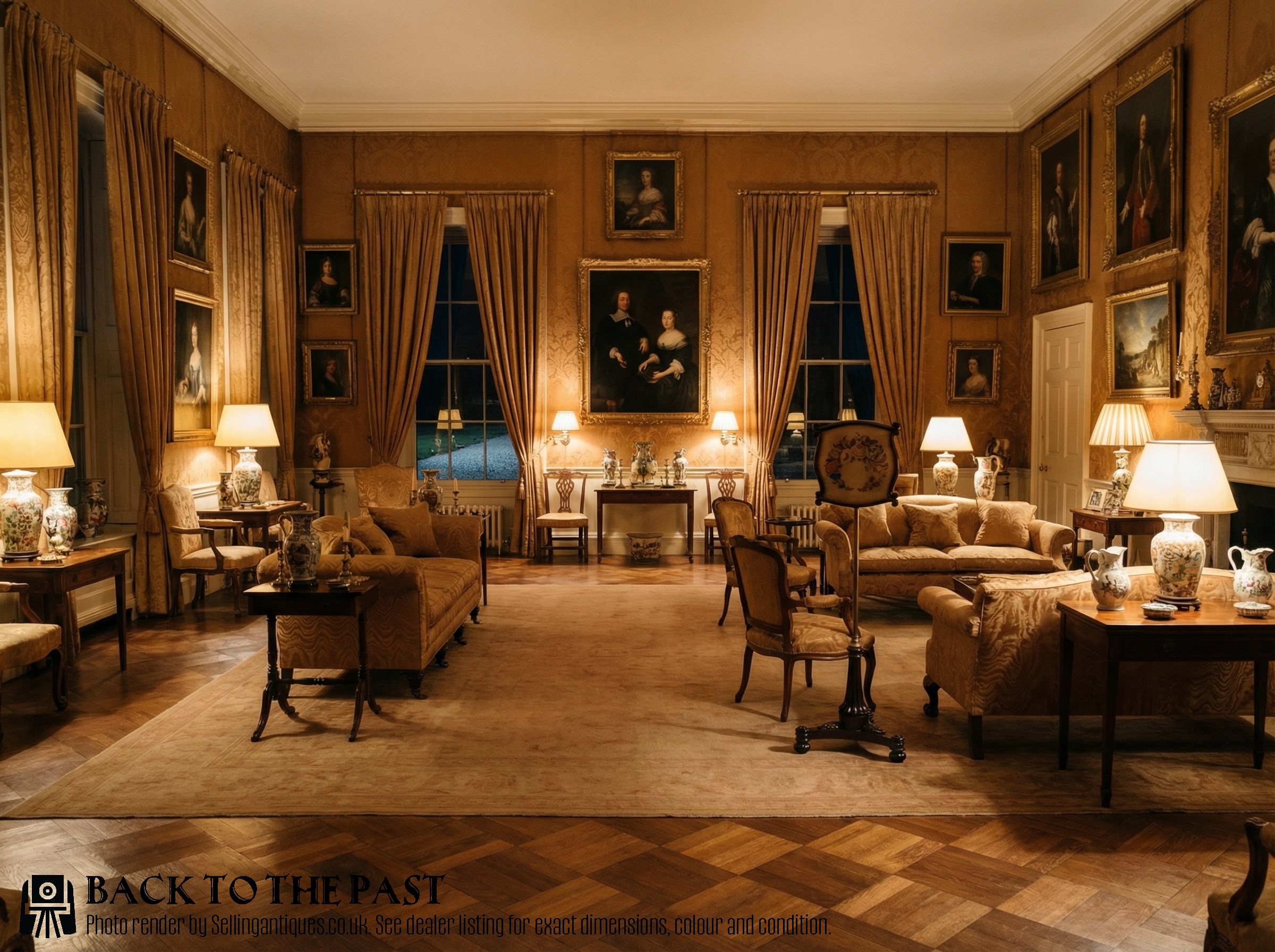
Floral Needlepoint Panel
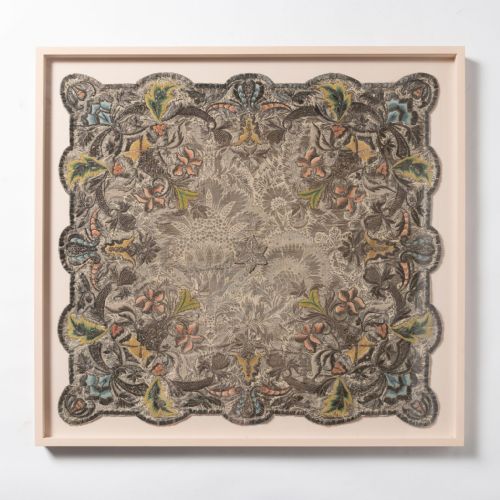
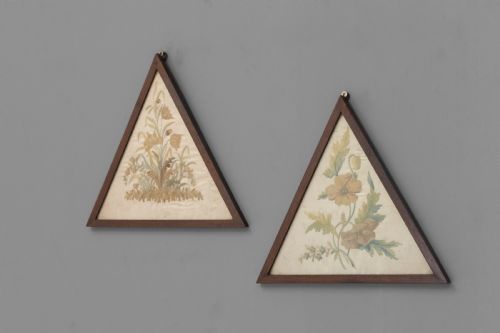
When you search for a floral needlepoint panel, you encounter framed works, furnishings, and screens from various historic eras. These objects combine textile artistry with structural forms designed for interior display.
The selections on this page feature framed textile art, fire screens, armchairs, and cushion covers. They originate from periods spanning the seventeenth century through to the Victorian era and the twentieth century.
You are most likely to meet Victorian and eighteenth-century examples worked in wool and silk. These often appear mounted within wooden frames or incorporated into freestanding furniture.
How they were made
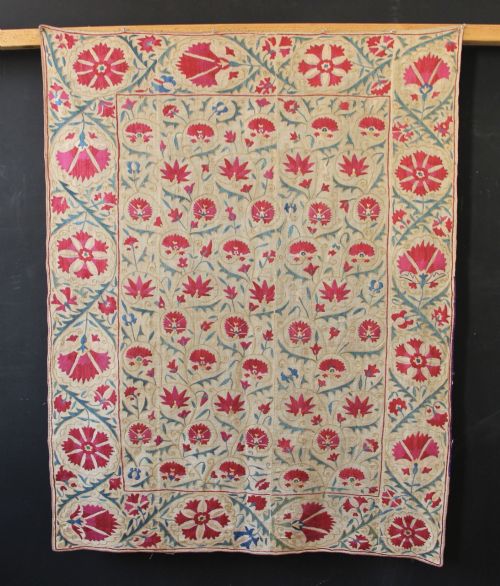
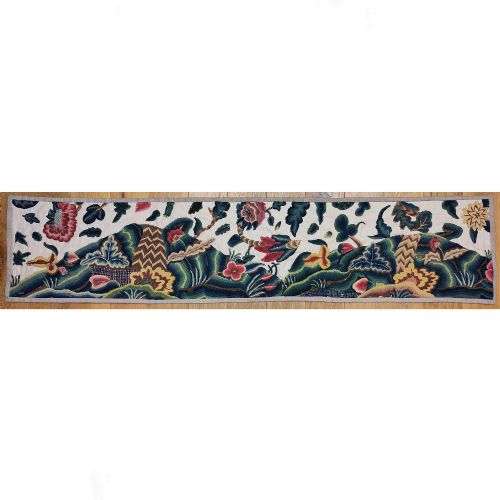
Maker execution relies on needlework stitches applied to ground fabrics such as linen or wool. Threads of silk and wool provide the colour and texture, forming pictorial and botanical motifs.
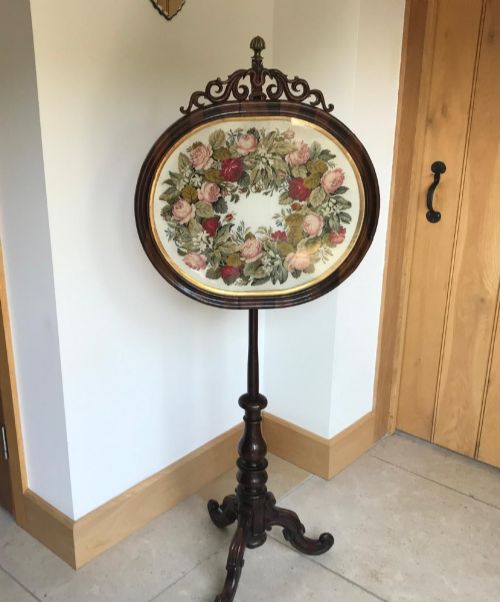
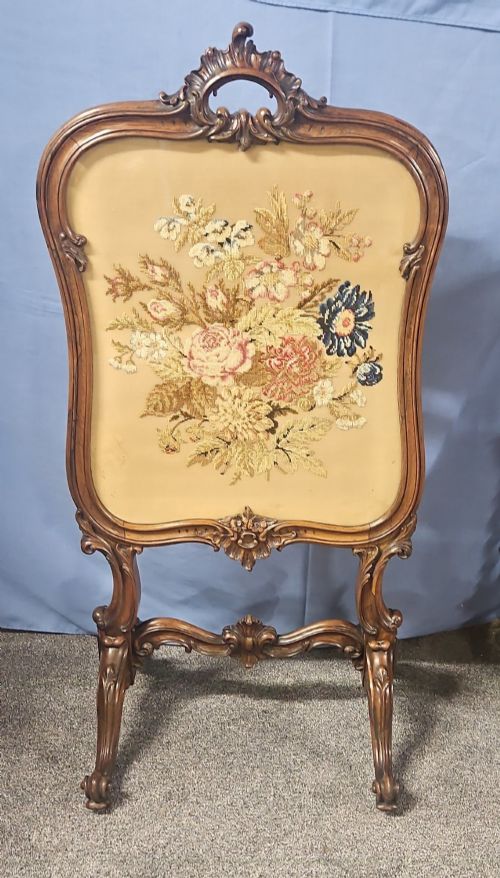
Supporting structures utilise timbers such as rosewood, walnut, mahogany, and giltwood. Glass frequently protects the delicate textile surfaces on framed pictures and screens.
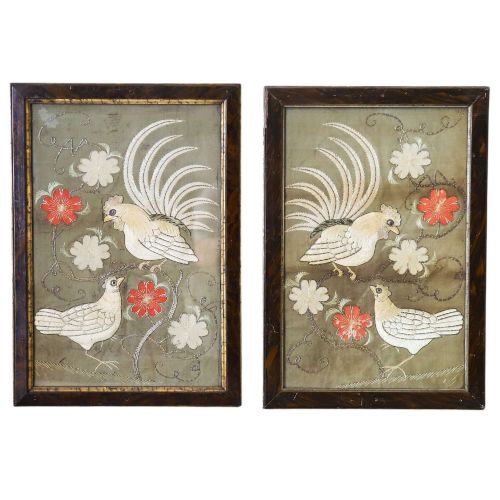
Frames and mounts sometimes incorporate brass or faux tortoiseshell details. Furniture pieces integrate the textile panels directly into armchairs or fire screen frames.
Cockerels, hens, garden birds, and mandarin ducks frequently keep watch from within the stitches.
What varies in quality
The refinement of the stitchwork dictates the visual impact of the piece. Finer threads and denser stitching allow for intricate shading and botanical detail.
The preservation of the materials remains paramount. Intact silk and wool fibres retain their original colour saturation and structural integrity over centuries.
The Floral Needlepoint Panel Glossary
- Needlework
- A piece of decorative work formed using a needle on a textile ground. It encompasses various historical stitching techniques.
- Pole screen
- A fireside screen with an adjustable vertical panel mounted on a central wooden pole. It protected the face from the heat of an open fire.
- Crewelwork
- Embroidery executed in wool on a linen or cotton twill fabric. It frequently depicts scrolling floral and botanical designs.
- Sampler
- A piece of cloth showing rows of various stitches, traditionally created to demonstrate needlework skill. Examples often include names and dates.
Floral Needlepoint Panel: Frequently Asked Questions
How were floral needlepoint panels used?
These textiles served practical and decorative functions in historic interiors. They appeared mounted as wall art, fitted into fire screens, or integrated into upholstery.
Fire screens protected sitters from hearth heat, whilst framed pictures and cushion covers added colour and texture to domestic spaces.
What materials make up these panels?
The primary textile components consist of wool and silk threads worked onto linen grounds. Surrounding frames utilise woods such as rosewood, walnut, mahogany, and giltwood.
Glazing often protects fragile needlework on framed pictures, while furniture applications integrate the textile directly into the wooden structure.
How do I date a needlework panel?
Dating relies on stylistic indicators within the embroidery design, the framing technique, and the supporting woodwork. Victorian, Georgian, and seventeenth-century pieces exhibit distinct aesthetic traits.
Inscriptional evidence, such as stitched dates or maker names on samplers, also assists in determining the period of origin.
Are these pieces suitable for modern homes?
These panels adapt well to contemporary interiors when suitably framed or displayed as furniture accents. Their historic character introduces texture and traditional craftsmanship to a room.
Placement should avoid direct sunlight to protect delicate silk and wool threads from fading over time.