

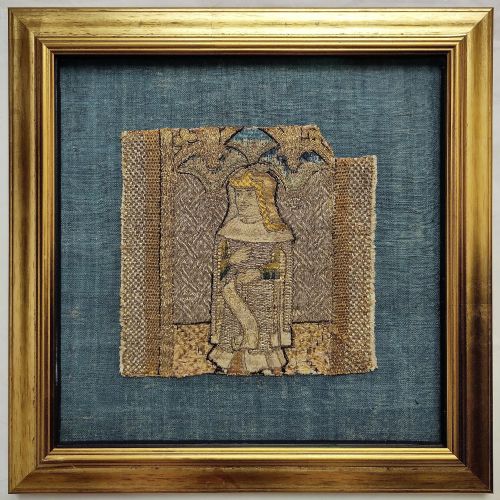
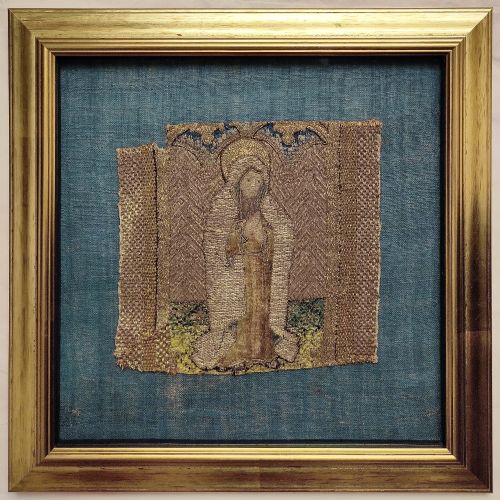
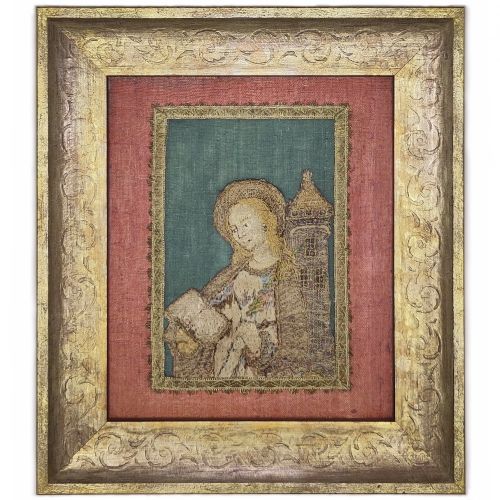
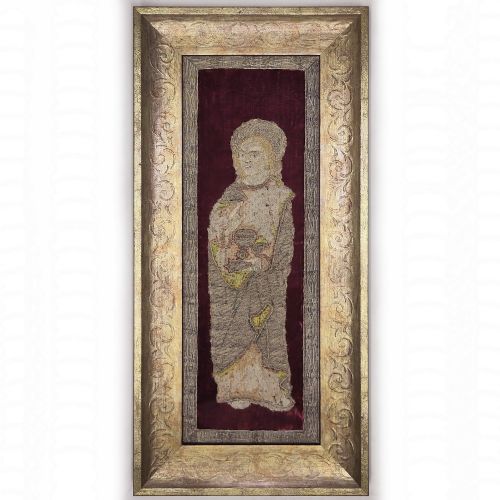


Needlework Textile Fragment
These needlework textile fragment pieces bring centuries of historic stitchwork, from Jacobean crewelwork to Greek island embroidery, directly into modern interiors.
Needlework Textile Fragment
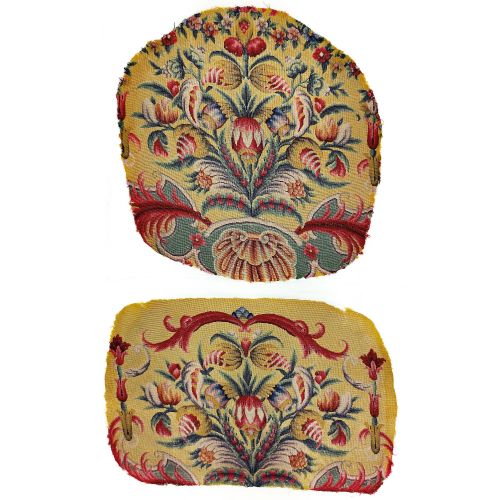
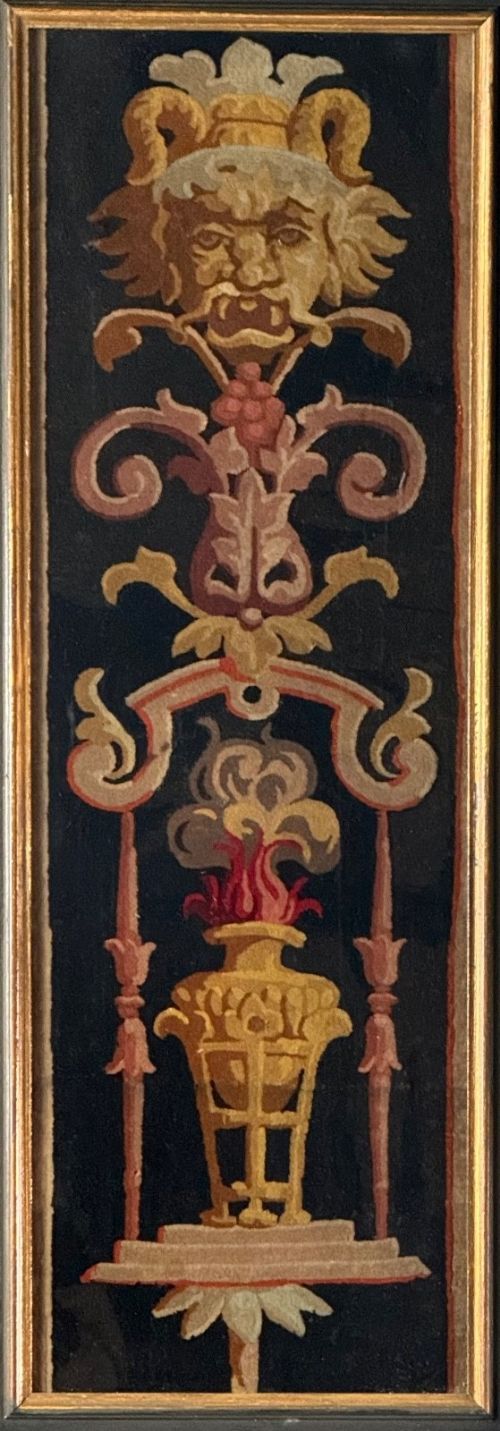
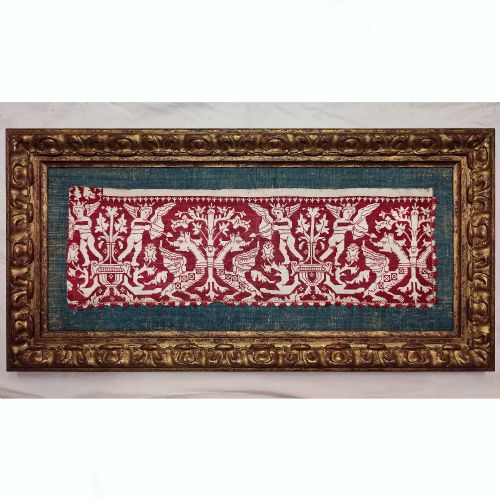
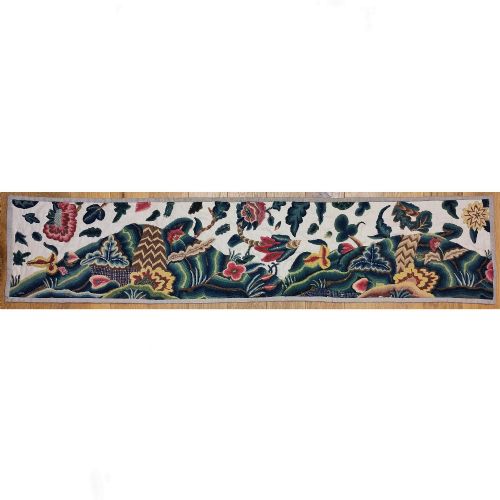
A needlework textile fragment represents surviving sections of historic decorative work, ranging from embroidered borders to panels and wall art. When exploring a needlework textile fragment, buyers encounter works originating from various traditions including English crewelwork, 17th century Italian pieces, and Greek island embroideries.
The selections span distinct periods, most notably the 17th century and the 18th century, alongside later examples from around 1900. Forms include framed textile panels, cushion covers, bedsheet borders, and beadwork scenes, offering diverse ways to display historical stitchwork.
Origin points visible in the evidence stretch from England and Italy to the Greek islands of Skyros, Crete, and Epirus. Pieces often arrive mounted or framed, turning surviving portions of historical textiles into ready-to-hang wall art.
Assessing quality in historical stitchwork
The skill of the execution and the complexity of the needlework separate standard examples from finer works. Intricate pictorial scenes, such as royal hunting motifs, demonstrate advanced technical proficiency compared to repeating geometric borders.
The survival state of the textile and the integrity of the materials influence overall character. Pieces retaining vibrant thread colours and secure mounting in period-appropriate frames present a stronger visual presence.
Needlework Textile Fragment Retail Price Guide 2026
Typical asking prices for needlework textile fragment among the pieces listed under this phrase on Sellingantiques today, from the lower quarter to the upper quarter. They describe what is for sale here now, not the wider market.
Listings feature periods spanning the 17th century through to 1900, alongside materials like linen, silk, wool, glass beads, and gilded wood.
The Needlework Textile Fragment Glossary
- Crewelwork
- Embroidery executed with wool yarn on a linen ground. This technique often produces textured floral and botanical patterns characteristic of the Jacobean period.
- Cretan Embroidery
- Needlework originating from the island of Crete, known for distinct regional motifs and dense stitch patterns. These works frequently utilise vibrant silk threads on a linen foundation.
- Beadwork Fragment
- A surviving section of decorative work created by stitching small glass beads onto a backing fabric. These pieces often depict figurative or narrative scenes.
- Tapestry Cushion Cover
- A heavy woven or embroidered textile panel repurposed or constructed to face a cushion. Such items preserve utilitarian domestic furnishings from earlier centuries.
Needlework Textile Fragment: Frequently Asked Questions
What is a needlework textile fragment?
A needlework textile fragment is a surviving portion of an older embroidered or stitched work, often salvaged from larger garments, furnishings, or hangings. These pieces are typically mounted and framed to preserve the fragile fabric and allow for wall display.
They capture historic handcraft techniques, utilising materials like linen, wool, and silk to display regional patterns, floral motifs, or narrative scenes from centuries past.
How should I display a framed textile?
Framed textiles require placement away from direct sunlight to prevent the fading of natural silk and wool threads. Maintaining stable indoor humidity levels also protects the underlying linen ground and any wooden or gilded frames.
Professional mounting behind glass shields the delicate fibres from dust and physical handling while keeping the historic stitchwork fully visible.
Where did Greek island embroideries originate?
Greek island embroideries come from specific Aegean locations such as Skyros, Crete, and Epirus, each developing distinct local styles and stitch repertoires. These pieces frequently served as decorative elements for traditional domestic textiles like bedsheets and wall hangings.
They showcase unique regional folk art traditions distinct from contemporary Western European needlework styles.