
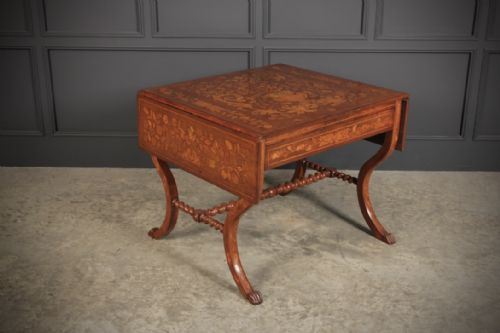
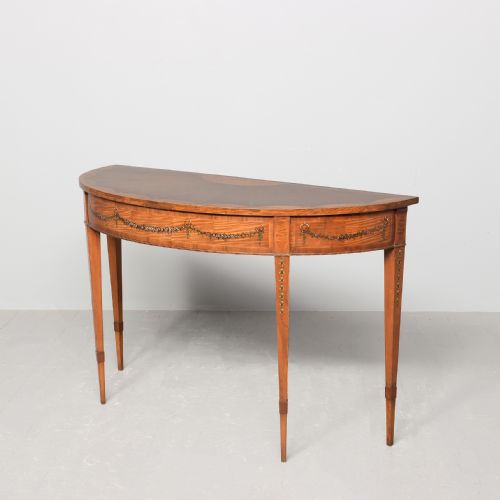
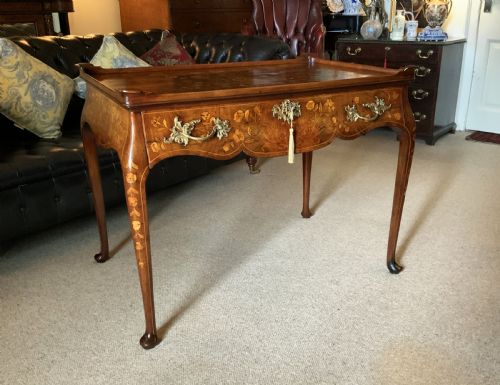


Floral Marquetry Console Table
These floral marquetry console table examples unite intricate wood-inlaid botanical designs with versatile wall-resting furniture forms.
Floral Marquetry Console Table
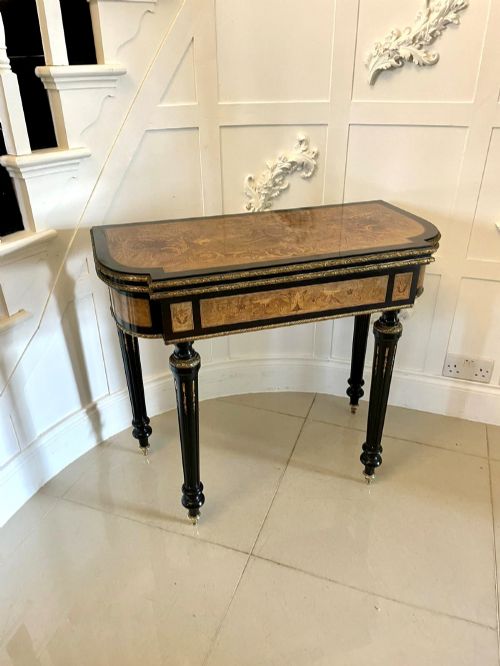
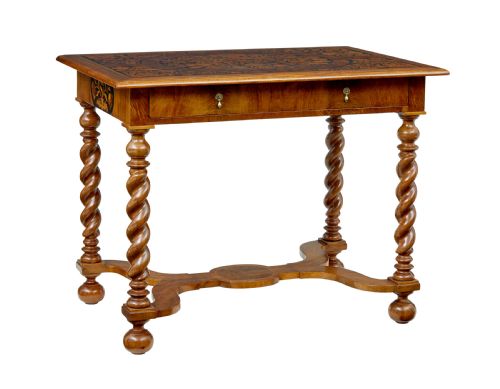
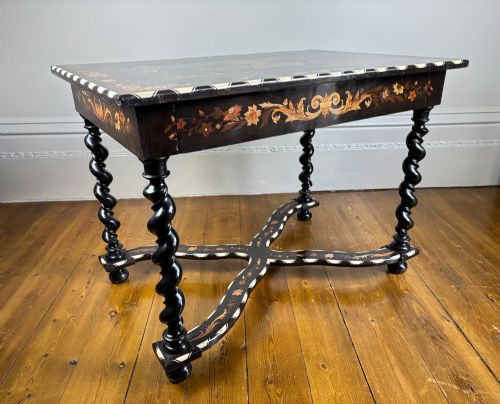
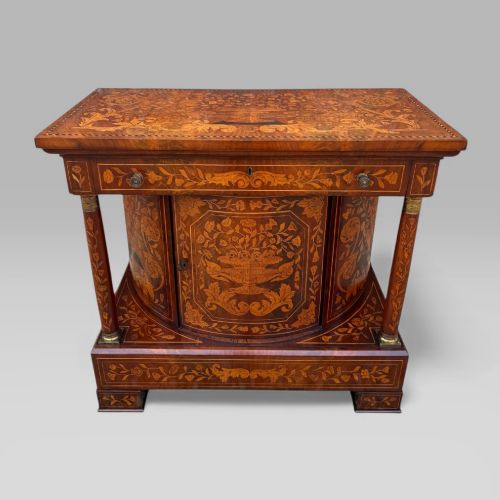
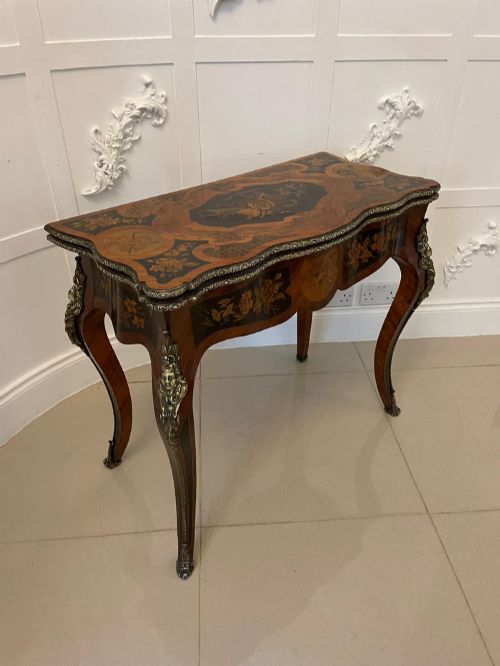
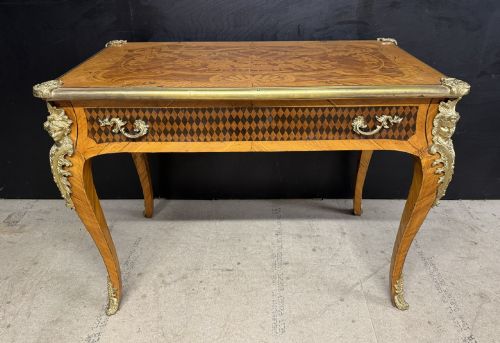
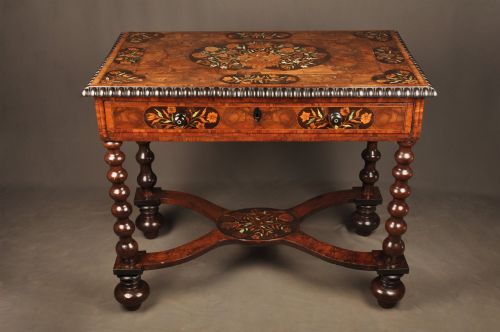
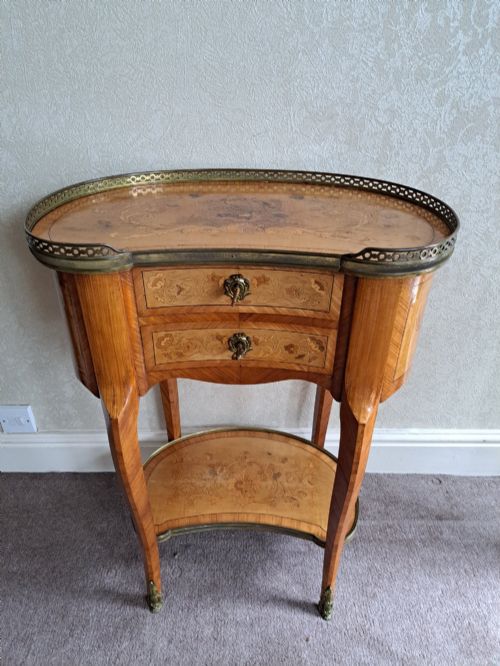
A floral marquetry console table brings together detailed wood veneers and furniture designed to stand against a wall or serve central rooms. When you explore this selection, you encounter pieces shaped across the eighteenth, nineteenth, and early twentieth centuries in styles ranging from Dutch Baroque and Rococo to French revival periods.
The assortment includes side tables, card tables, games tables, and writing desks alongside traditional console forms. Walnut, mahogany, rosewood, and kingwood provide the primary foundations for these decorated surfaces.
How They Were Made
Cabinet makers utilised fruitwood marquetry and bone inlay set into walnut, mahogany, rosewood, and kingwood carcasses to build these decorated surfaces. Artisans cut contrasting wood veneers by hand to form elaborate floral and bird motifs across the table tops.
Many examples incorporate cast or chased ormolu mounts and brass details alongside hand-carved wooden elements. These metallic additions frame the marquetry panels and reinforce the structural joints of the tables.
Several eighteenth-century Dutch tables feature discreet dog-eared corners alongside intricate inlaid flocks of birds and botanical displays.
What Varies in Quality
The precision of the veneer cutting and the natural variation in fruitwood tones distinguish finer examples from simpler workshops. Artisans who achieved crisp botanical outlines and balanced floral compositions produced pieces with lasting visual depth.
The choice of secondary woods and the integration of ormolu mounts indicate the original tier of production. Richly figured walnut or kingwood bases paired with substantial bronze mounts separate standard items from exhibition quality pieces.
Henry Dasson
The Floral Marquetry Console Table Glossary
- Marquetry
- Decorative patterns formed by fitting together small pieces of wood veneer onto a solid structure. This technique allows artisans to depict complex floral and animal scenes across table tops.
- Ormolu
- Gilded bronze used for decorative mounts and framing on furniture. Makers applied these cast metal elements to highlight corners and aprons.
- Console table
- A table designed to stand against a wall, often secured with brackets. These forms served decorative purposes in grand rooms and halls.
- Kingwood
- A dense, richly grained timber utilised in fine cabinet making. Its dark purple-brown tones provide strong contrast for lighter inlaid veneers.
- Serpentine
- A furniture edge or front curving outward then inward in a continuous wave. This shape appears frequently on eighteenth-century Dutch tables.
Floral Marquetry Console Table: Frequently Asked Questions
What is a console table?
A console table is a narrow piece of furniture designed to stand flush against a wall. These tables often function as display surfaces in hallways and living spaces.
Historically, makers constructed them to hold decorative objects or serve as sideboards during gatherings.
Can these tables hold card games?
Many examples function as dual-purpose card and games tables featuring folding or rotating tops. These surfaces open to reveal baize or inlaid playing areas used in period homes.
They combine decorative marquetry exteriors with practical internal compartments for cards.
What distinguishes French revival styles?
French revival pieces draw inspiration from Louis XV and Louis XVI aesthetics, incorporating curved lines and ormolu mounts. Makers during the nineteenth century revived these classical designs using rich veneers like kingwood and rosewood.
These tables emphasise symmetry, floral inlay, and ornate cast bronze details.