


Floral Ironstone Plate
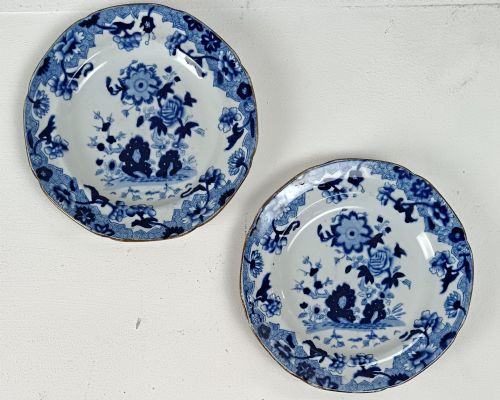
A floral ironstone plate brings robust durability and vivid pattern to the table, combining heavy ceramic body with intricate painted motifs.
Floral Ironstone Plate
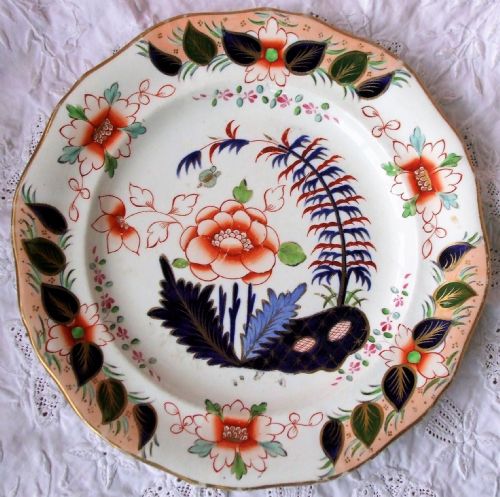
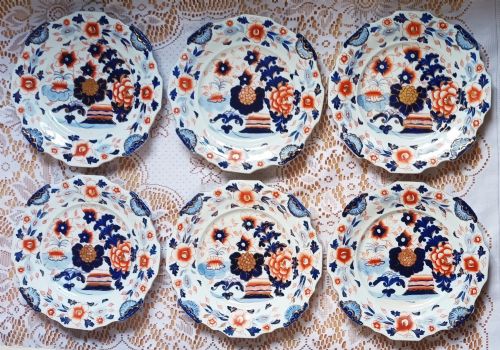
A floral ironstone plate sits at the intersection of utility and display, offering a heavy ceramic form designed for daily use while bearing bright botanical and eastern-inspired patterns. When you search for a floral ironstone plate, you encounter items originating largely from the nineteenth century, spanning Georgian and Victorian eras.
The objects take various functional shapes beyond standard dinnerware, including tea plates, dessert plates, soup bowls, large meat dishes, and serving platters. Many examples display distinct aesthetic influences such as Imari, Chinoiserie, and Japan patterns rendered in rich enamels.
How they were made
Potters built these pieces using ironstone china, earthenware, and stoneware, creating a dense and resilient ceramic body capable of withstanding heavy domestic service. The fired body received a smooth glaze to seal the surface before artisans applied detailed enamel decoration and occasional gold leaf accents.
Makers employed transfer printing and hand-painting techniques to execute intricate floral and oriental designs across plates, platters, and chargers, fixing the colours with subsequent kiln firings.
Listings span the nineteenth century, featuring Georgian and Victorian periods alongside specific mid-century dates like eighteen-fifty.
What varies in quality
The standard of a piece rests primarily on the crispness of the transfer printing and the precision of the hand-applied enamel colours. Stronger examples maintain vibrant pigments and crisp outlines without blurring across the glazed ceramic body.
Form and scale also dictate distinction, moving from standard tea plates to large chargers, footed cheese dishes, and extensive dinner services that demand greater technical skill in moulding and firing.
John Davenport of Longport·John Ridgway·Mason
The Floral Ironstone Plate Glossary
- Ironstone
- A heavy, durable type of earthenware or stoneware patented in the nineteenth century. It was designed to resist chipping while offering a cheaper alternative to porcelain.
- Enamel
- Opaque glass-like material fused to the ceramic surface during firing. It provides the vibrant red, blue, and green colours seen on patterned wares.
- Imari
- A decorative style inspired by Japanese export porcelain featuring deep blues, iron reds, and gilt. British makers frequently adopted this palette for ironstone bodies.
- Chinoiserie
- European interpretations of Chinese and East Asian artistic traditions. These patterns often depict imaginary gardens, landscapes, and architectural motifs.
- Ashet
- A Scottish and northern English term for a large meat platter or serving dish. It derives from the French assiette.
Floral Ironstone Plate: Frequently Asked Questions
Can I use an antique ironstone plate every day?
These pieces were originally manufactured to withstand robust daily dining, possessing a dense ceramic body designed for heavy household service.
However, age, surface wear, and delicate enamel or gold leaf details mean many modern owners prefer to use them for display or careful occasional dining.
How do I distinguish Georgian ironstone from Victorian pieces?
Georgian examples often align with Regency tastes, displaying refined Chinoiserie or Imari patterns alongside specific early nineteenth-century registry or maker marks.
Victorian pieces frequently expand into heavier meat plates, large chargers, and extensive dinner services with bolder polychrome enamels.
What is the difference between ironstone and standard earthenware?
Ironstone contains a high proportion of stone slag and feldspar mixed with clay, resulting in a much heavier, denser, and more opaque material.
This specific composition allowed nineteenth-century potters to create utilitarian dishes that resisted chipping far better than porous traditional earthenware.
Why do some plates feature oriental patterns?
British potters in the nineteenth century drew heavy inspiration from imported Japanese and Chinese porcelain, adapting exotic motifs to appeal to domestic buyers.
Styles like Imari and Chinoiserie became immensely popular, merging Eastern floral and landscape compositions with sturdy British ceramic bodies.