


Antique Serveware Stand
These antique serveware stand pieces offer remarkable dining utility and period charm for your table, spanning several centuries of craftsmanship.
Antique Serveware Stand
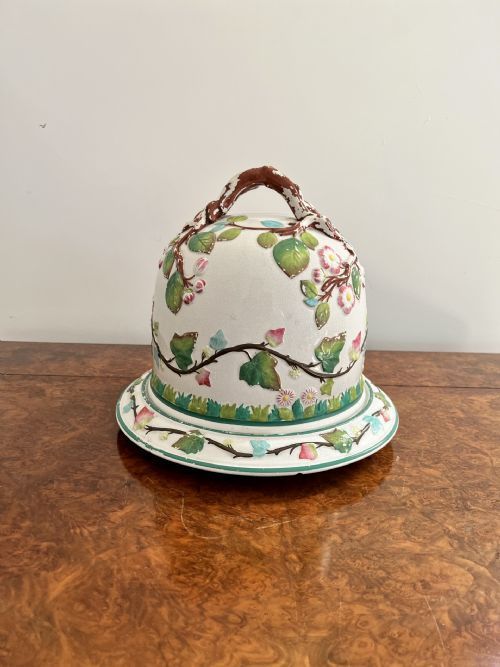
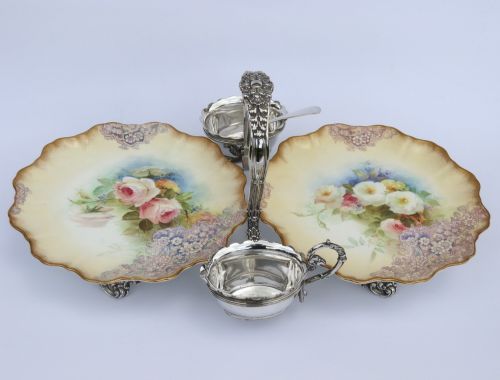
When you search for an antique serveware stand, you encounter a diverse selection of dining vessels and display tiers designed for presenting food. The pieces on this page encompass forms such as cheese domes, dessert sets, soup tureens, cake stands, tazzas, chestnut baskets, and dumb waiters. These items originate from periods ranging from the eighteenth century through to the Edwardian era.
You are most likely to meet silver plate items alongside ceramic and glass examples as you browse these listings. Styles span Regency, Edwardian, Victorian, and Georgian designs, reflecting the changing domestic fashions of British dining over hundreds of years. Each form serves a specific function, from holding cheese to elevating cakes and fruit upon the table.
Materials and construction
Makers utilised silver plate, electroplated nickel silver, porcelain, ironstone, glass, and earthenware to construct these pieces. Ceramic works often feature hand painted details, whilst glass items exhibit techniques like spreading folded feet. Mahogany timber forms the structure for tiered serving furniture.
Metal items incorporate plating techniques over base metals, whilst ceramic pieces combine moulded earthenware or ironstone bodies with applied glaze. Glassware relies on free-blown or moulded vessel production to achieve tazza and dome forms.
Some nineteenth-century cheese dishes come equipped with folding biscuit boxes, ensuring crackers remain close at hand for the final course.
What determines quality
Quality rests upon the crispness of moulded detail in ceramics and the weight and finish of silver plate or glass. Finer pieces display superior hand painting and robust structural joints in multi-tiered furniture.
Maker attribution and the preservation of original components separate standard examples from finer specimens. The integrity of the glaze, the clarity of the glass, and the retention of silver plating dictate the overall standard of each piece.
Walker and Hall·Doulton Burslem·Coalport·Mappin and Webb·Mason·Elkington
The Antique Serveware Stand Glossary
- Tazza
- An elevated flat plate or dish used for serving fruit or cakes. It typically stands upon a central foot or pedestal.
- Ironstone
- A type of durable earthenware patent pottery developed in nineteenth-century England. It offers high resistance to chipping and damage during daily dining use.
- Dumb waiter
- A piece of tiered serving furniture designed to hold dishes without domestic staff present. These tiers fold or rotate for convenience during meals.
- Electroplated nickel silver
- A base metal alloy coated with a thin layer of silver using an electrical process. This technique became widespread during the Victorian period.
- Cheese dome
- A cover and matching base designed to preserve cheese at the table. They appear in ceramic, glass, and silver-plated metal combinations.
Antique Serveware Stand: Frequently Asked Questions
What was an antique serveware stand used for?
These pieces served specific functions during formal and domestic dining, holding items like cheese, fruit, cakes, and soup. They allowed hosts to present food centrally on the table or sideboard.
Different forms catered to specific courses, such as dessert sets for fruit or tall tazas for display. Their presence added both practical utility and decorative elegance to the dining room.
How should I clean silver plate serveware?
Silver plate requires gentle cleaning with specialised silver cloth or mild non-abrasive polish to protect the thin metal coating. Avoid harsh scrubbing that can wear through the plating down to the base metal.
Regular dusting and careful handling prevent tarnish build-up and preserve the reflective finish of the surface. Store pieces in stable, dry environments when not in active use.
Can I use these pieces for modern dining?
Many of these items remain entirely functional for contemporary dining and entertaining, particularly cake stands, tazzas, and cheese dishes. They bring historical character directly to the modern table.
Care must be taken with delicate ceramics, hand-painted details, and older glass to prevent accidental damage during use and washing. Hand washing is generally recommended over modern dishwashers.