

Floral Inlaid Furniture
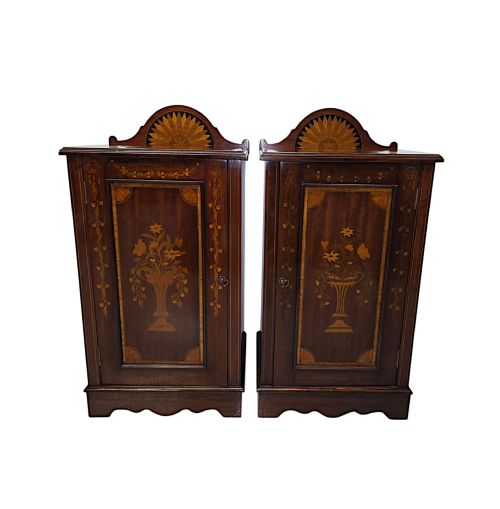
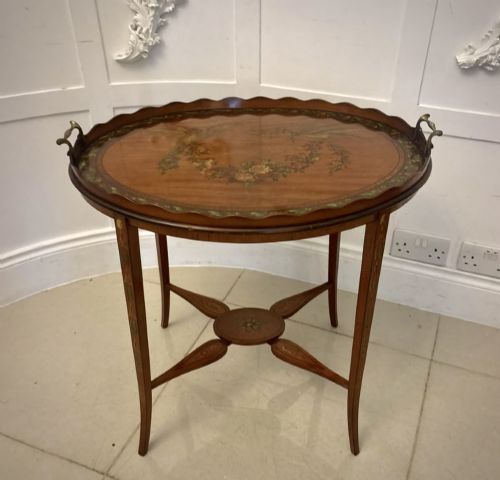
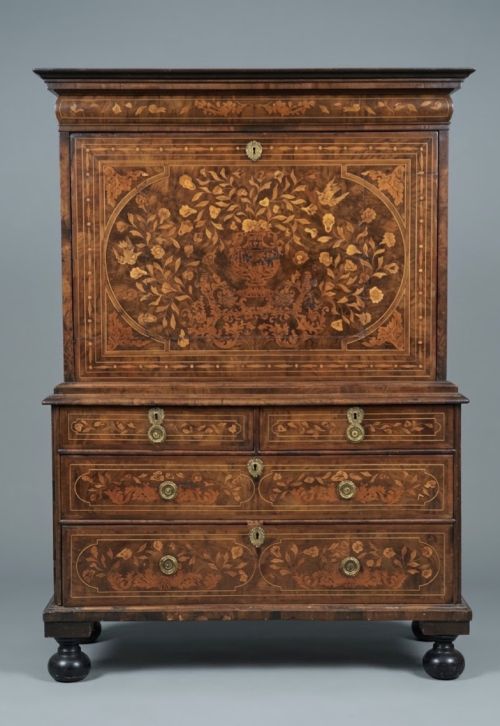
Floral inlaid furniture brings together centuries of cabinet-making skill, offering rich botanical motifs set into walnut, mahogany and rosewood surfaces.
Floral Inlaid Furniture
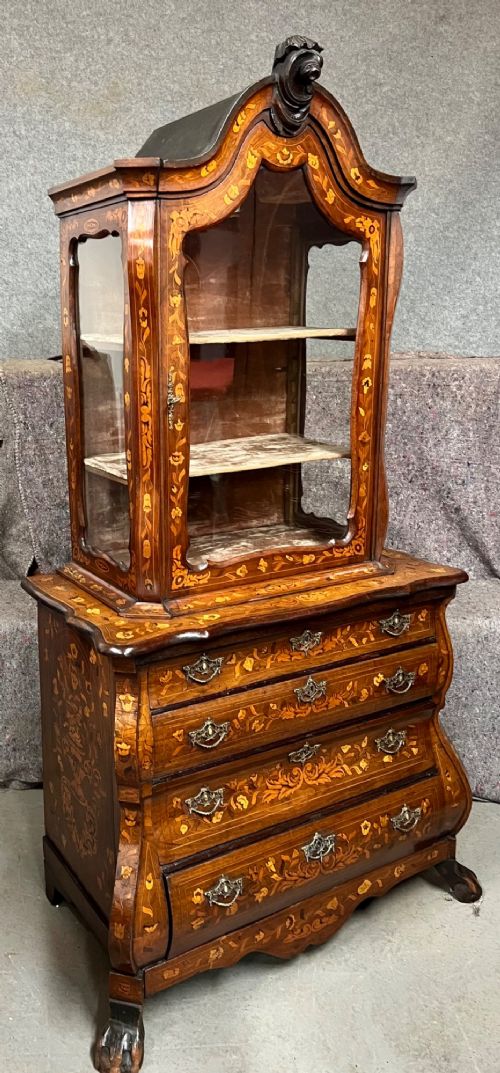
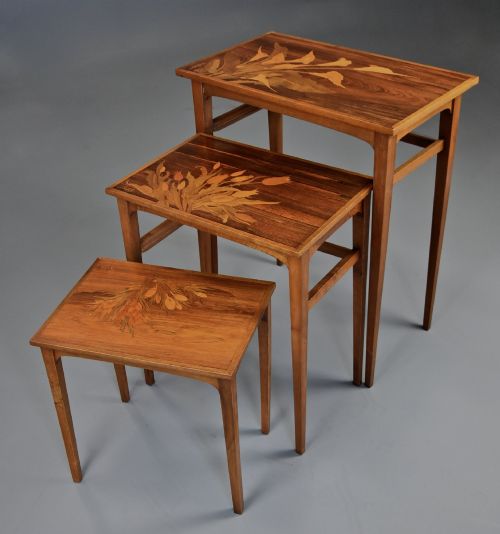
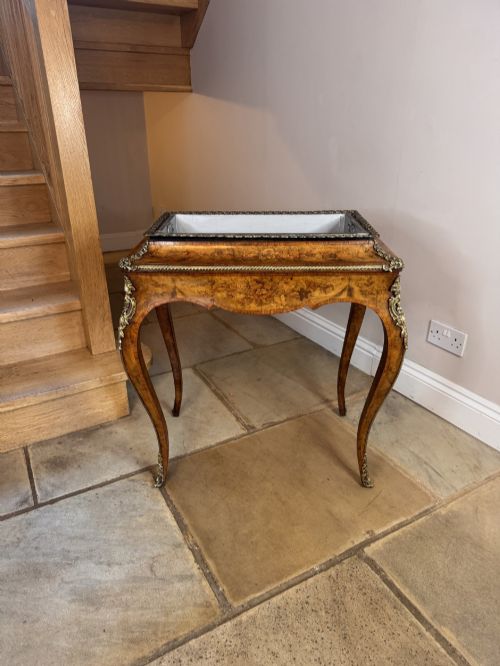
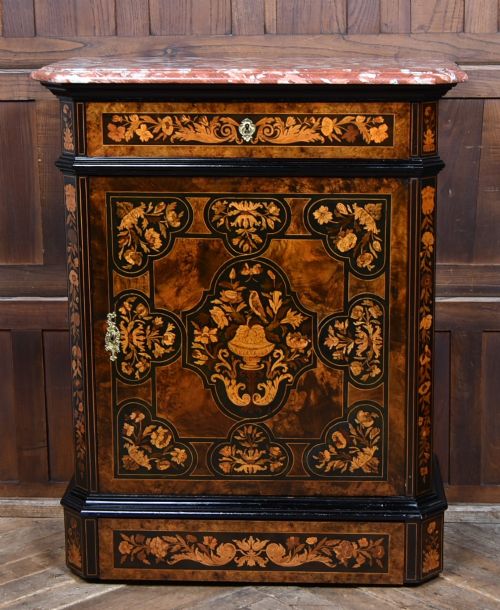
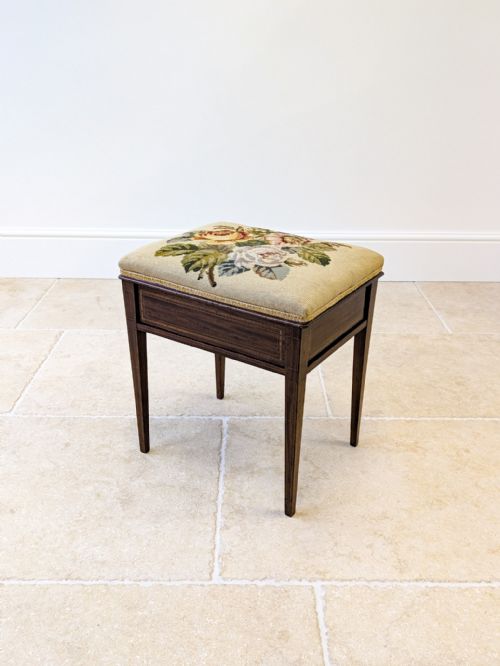
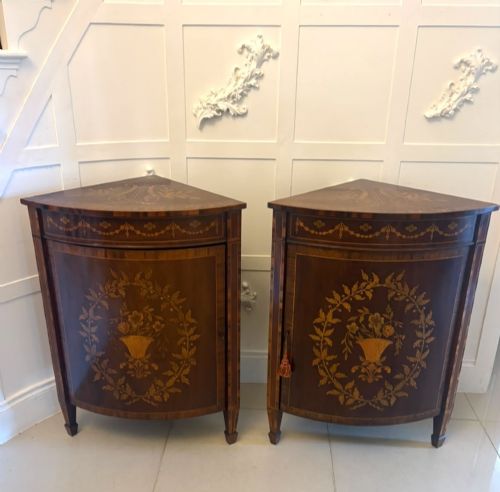
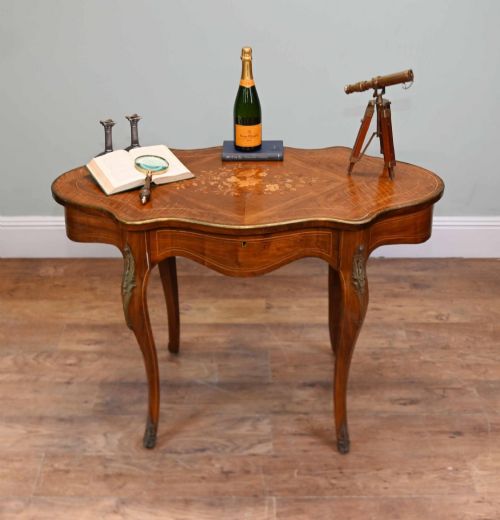
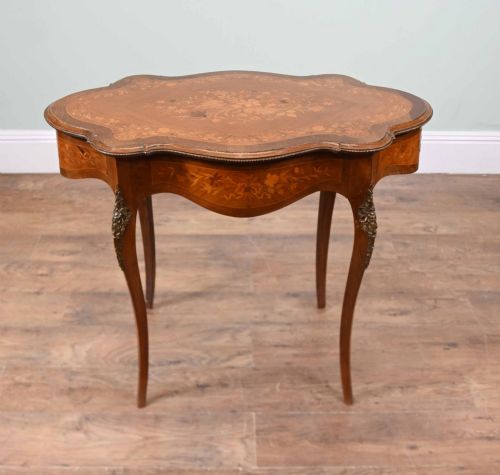
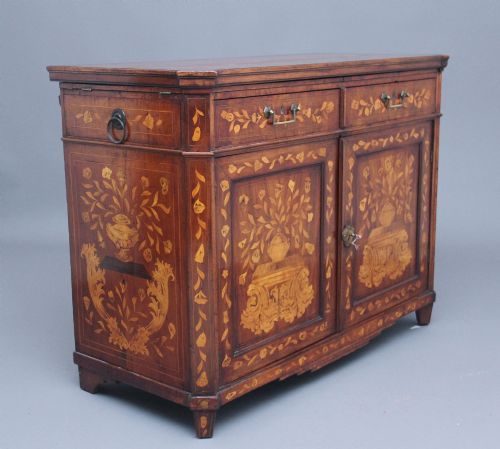
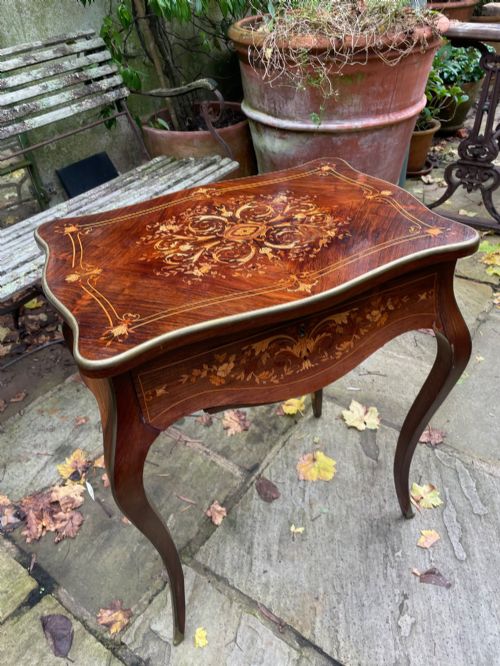
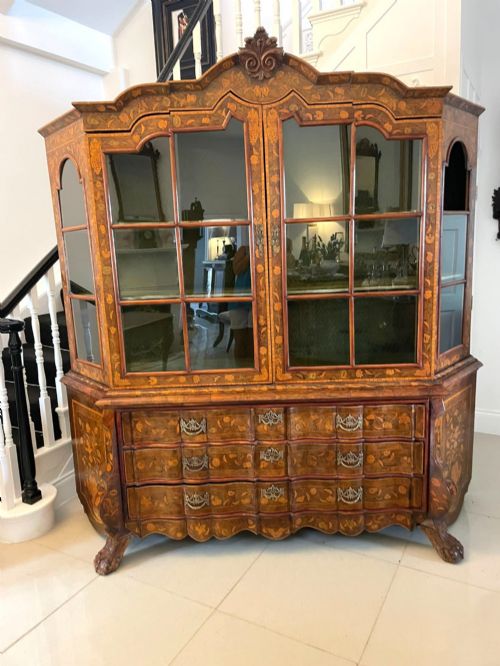
Floral inlaid furniture comprises pieces adorned with botanical marquetry and inlay work, ranging from small occasional tables to large display cabinets and chests of drawers. Buyers seeking floral inlaid furniture will encounter numerous examples originating from Dutch workshops and French ateliers.
The selection on this page spans several centuries, drawing heavily on 18th-century and 19th-century periods. Forms include console tables, side tables, corner cabinets, and bureau bookcases, predominantly reflecting Dutch Baroque, Dutch Rococo, and Victorian aesthetics.
How they were made
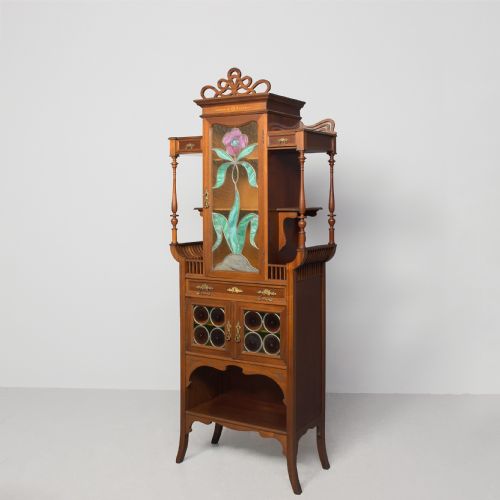
Craftsmen utilised contrasting timbers such as walnut, mahogany, satinwood, fruitwood, and kingwood to construct the structural carcasses and to cut delicate floral veneers. These wooden elements were frequently combined with supplementary materials including brass, bone, pewter, glass, and ormolu mounts.
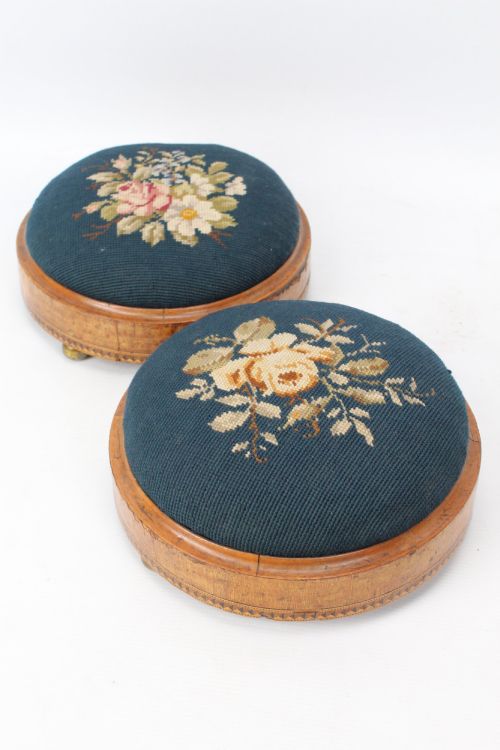
The technique relies on precise marquetry, where floral and foliate designs are assembled from thin veneers and pressed into the primary wood ground. Certain pieces also incorporate specialised regional methods such as Tunbridge Ware needlepoint or Anglo-Indian brass inlay.
Floral Inlaid Furniture Retail Price Guide 2026
Typical asking prices for floral inlaid furniture among the pieces listed under this phrase on Sellingantiques today, from the lower quarter to the upper quarter. They describe what is for sale here now, not the wider market.
The listings span pieces from the 17th century through to the 20th century, encompassing Dutch Baroque, French Louis styles, and Victorian eras.
What varies in quality
The standard of floral inlaid furniture depends on the crispness of the botanical cutting and the harmony of the timber tones selected for the marquetry. Superior examples exhibit intricate petal and leaf shading achieved through hot sand-shading techniques rather than ink lines.
Structural integrity and the retention of original mounts, such as ormolu or brass handles, separate standard items from superior survivals. The depth of the burr walnut or mahogany grain beneath the inlay further distinguishes the manufacturing tier.
Hewetsons London
The Floral Inlaid Furniture Glossary
- Marquetry
- A decorative technique where pieces of veneer are applied to a structure to form intricate pictorial designs, commonly floral patterns. This method allows artisans to use various coloured woods to create realistic botanical details.
- Ormolu
- Gilded bronze mounts applied to furniture edges, feet, and corners for ornamentation. This decorative hardware is typical of French styles represented on this page.
- Burr walnut
- Timber taken from a growth deformation on a walnut tree, yielding highly figured and swirling grain patterns. Cabinet-makers utilised this wood as a dramatic background for floral inlay.
- Bombe
- A swollen or bulging contour shape seen on the front and sides of certain chests of drawers. This curved form provides a dynamic surface for sweeping marquetry sprays.
- Satinwood
- A durable, yellowish timber prized for its lustrous sheen and pale tone. It frequently serves as a contrasting background material to highlight darker floral marquetry elements.
Floral Inlaid Furniture: Frequently Asked Questions
How do I date floral inlaid furniture?
Dating relies on examining the secondary timbers used inside drawers, the construction methods of the carcass, and the specific style of the floral marquetry. Georgian and 18th-century pieces often display hand-cut dovetails and distinct native wood framing beneath the veneers.
Later Victorian and late 19th-century iterations adopt machine-prepared elements and reflect revival movements such as French Rococo or Sheraton Revival. Comparing the hardware, such as handles and hinges, with period standards helps confirm the era of manufacture.
Where was floral inlaid furniture made?
The pieces originate primarily from European workshops, with a strong concentration of Dutch and French cabinet-making traditions. Dutch makers were particularly prolific in producing floral marquetry on walnut and oak.
Other notable geographic influences include English cabinet-makers and regional specialists crafting items such as Hoshiarpur tables or Tunbridge Ware items. Each region applied distinct timber selections and floral compositions to their furniture forms.
How do I care for inlaid wood?
Maintain stable indoor humidity levels and keep pieces away from direct sunlight and heat sources to prevent the wood veneers from drying and lifting. Regular dusting with a soft, dry cloth preserves the polished surface without damaging the delicate marquetry joints.
Avoid using silicone-based polishes or excessive moisture, which can penetrate hairline cracks in the veneer. Periodically feeding the timber with appropriate wax maintains the natural lustre of walnut, mahogany, and rosewood.
What is the difference between inlay and marquetry?
Inlay involves setting pieces of material such as brass, bone, or wood into a recessed cavity carved directly into the solid wood surface of the furniture. This creates a flush design defined by the surrounding primary timber.
Marquetry, by contrast, assembles an entire picture from veneers on a backing sheet before applying it as a complete skin over the structural carcass. Floral inlaid furniture frequently utilises marquetry for intricate leaf and petal arrangements alongside traditional inlay.