



Floral Earthenware Plates
Floral earthenware plates bring hand-painted botanicals, transfer-printed scenes and tin-glazed surfaces directly to the table.
Floral Earthenware Plates
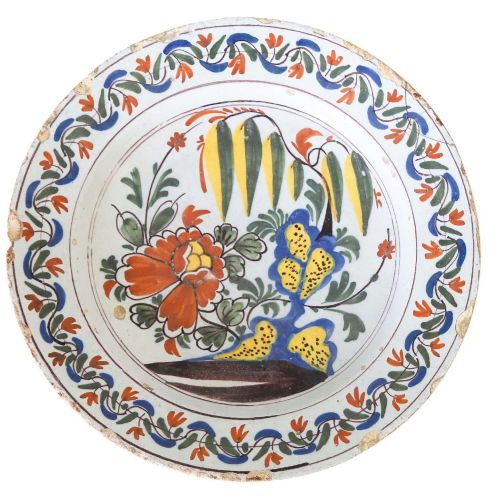
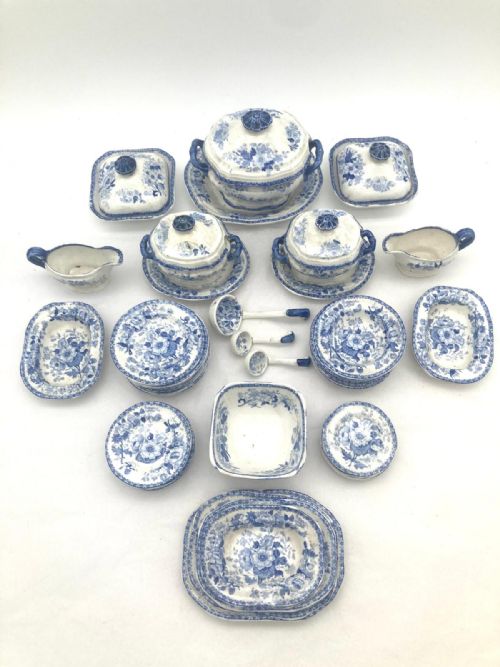
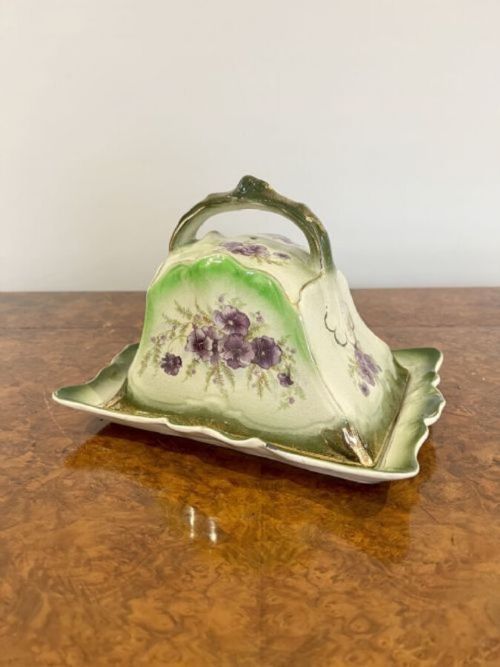
Floral earthenware plates encompass a broad sweep of historic ceramics, moving from early Dutch delftware chargers to nineteenth-century transfer-printed services and creamware. Buyers seeking floral earthenware plates encounter diverse forms ranging from small cabinet plates and soup bowls to large serving platters and charger plates.
The selection draws heavily on eighteenth-century delftware and nineteenth-century Staffordshire production. Pieces span domestic table use and large decorative display items made for seventeenth, eighteenth and nineteenth century interiors.
Materials and technique
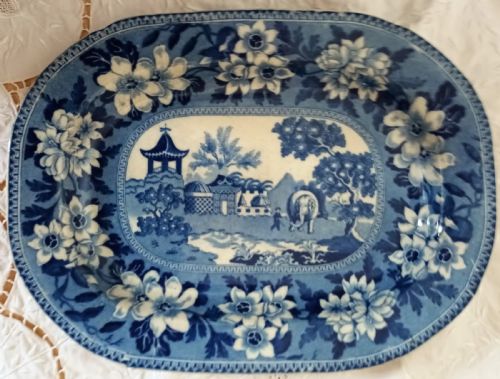
Potters shaped porous earthenware bodies, then coated them with tin glazes or clear lead glazes before applying cobalt pigment, enamel or polychrome decoration. Transfer printing arrived later, allowing intricate blue and white patterns to be applied mechanically from copper plates onto the ceramic surface.
Firing took place in traditional kilns where hand-painted motifs absorbed the glaze, creating soft boundaries around floral petals and leaves. Ironstone and creamware variants offered denser, more durable bodies suited to heavier household use.
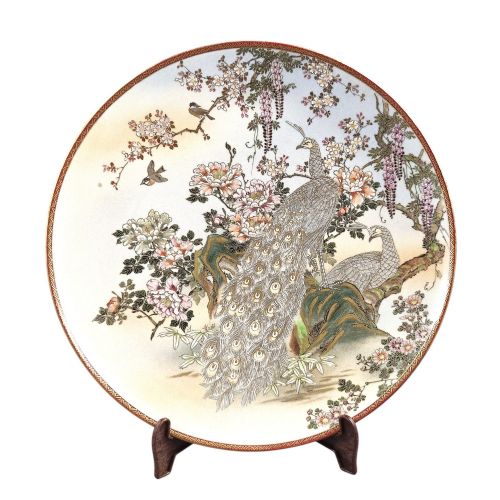
Several plates depict cheerful birds perched among wisteria and peonies, reminding us that eighteenth-century potters loved a bit of garden wildlife.
Evaluating quality and execution
Quality rests in the crispness of the hand-painting and the depth of the glaze. Early delftware displays freedom of brushwork in manganese and polychrome pigments, whereas later transfer-printed wares rely on the sharpness and registration of the printed line.
The sophistication of the floral design and the translucency of the underlying glaze distinguish standard utility vessels from ambitious exhibition pieces and large chargers made by skilled potteries.
Minton·John Rogers and Son·Wedgwood·Booths·Charlotte Rhead Bursley Ware·Elkin and Newbon
The Floral Earthenware Plates Glossary
- Delftware
- Tin-glazed earthenware produced in England and the Netherlands, typically decorated in blue and white or polychrome. It forms a cornerstone of early ceramic collecting.
- Creamware
- A refined light-coloured earthenware developed in the eighteenth century. Its warm tone provided an ideal ground for botanical and floral painting.
- Ironstone
- A heavy, durable type of earthenware patented in the nineteenth century. It combined durability with the ability to take crisp transfer printing.
- Charger
- A large decorative plate intended for display on a wall or dresser rather than dining use. Many early examples feature hand-painted floral motifs.
- Transfer printing
- A decoration technique where an engraved copper plate transfers a design onto paper and then onto the ceramic body. This method revolutionised nineteenth-century production.
Floral Earthenware Plates: Frequently Asked Questions
How do I date an old plate?
Dating relies on observing the ceramic body, glaze composition, and stylistic markers such as foot rim construction and pigment tones. Early pieces often show characteristic glaze crazing and raw base edges.
Comparing pattern names, maker marks, and transfer styles against known historical periods helps narrow down the decade of manufacture.
Can I use these plates for dining?
Many historic earthenware plates remain robust enough for careful daily or occasional use. Glaze stability and body thickness dictate whether a piece suits food service.
Fragile tin-glazed delftware and antique cabinet chargers are generally reserved for display to protect their historic surfaces from modern detergents.
What is the difference between delft and ironstone?
Delftware uses a soft earthenware body covered in an opaque tin glaze that accepts hand-painted pigments. It dates primarily to the seventeenth and eighteenth centuries.
Ironstone is a dense, vitrified earthenware introduced later in the nineteenth century, designed to withstand heavy domestic dining with minimal wear.
How should I display a charger plate?
Charger plates look best mounted on secure wall hangers or supported upright on sturdy plate stands within a cabinet. Their large size makes them natural focal points.
Placement should avoid areas exposed to direct sunlight and fluctuating humidity to protect the ancient glazes and pigments.