





Floral Decorated Vase
These floral decorated vase examples span Georgian elegance to twentieth-century studio pottery, bringing painted botanical motifs directly into domestic interiors.
Floral Decorated Vase
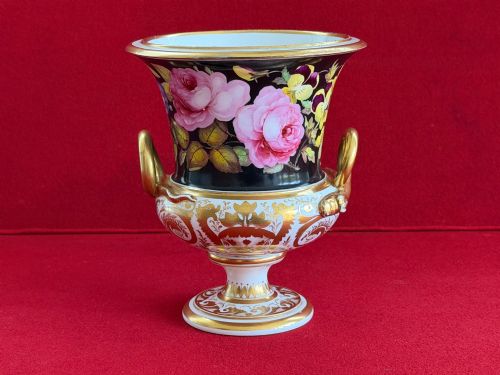
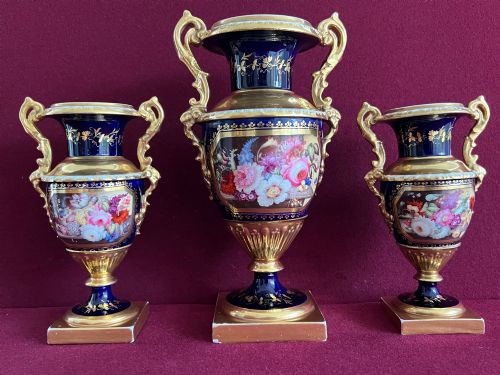
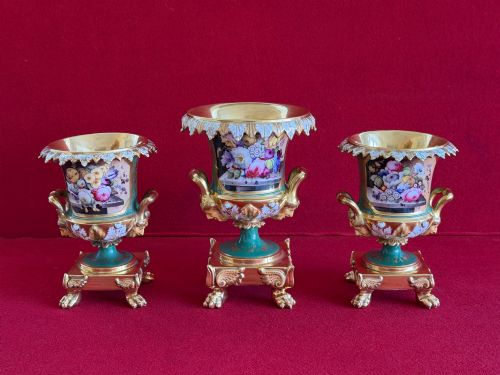
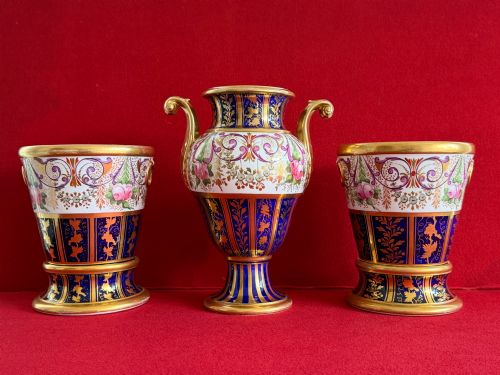
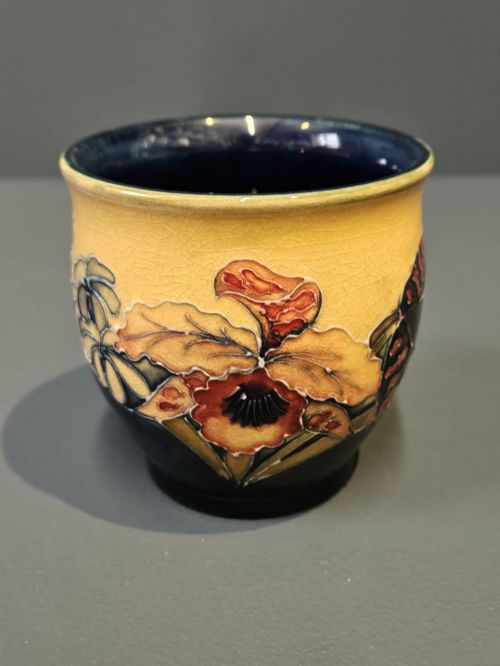
A floral decorated vase centres on painted, enamelled or gilt plant motifs applied across porcelain, earthenware, and glass bodies. The selection on this page ranges from Georgian and Regency porcelain garnitures down to late nineteenth-century studio pottery and twentieth-century earthenware.
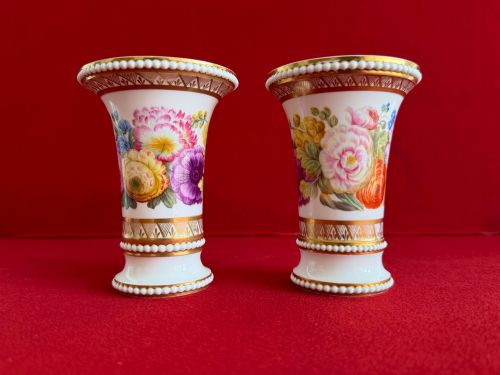
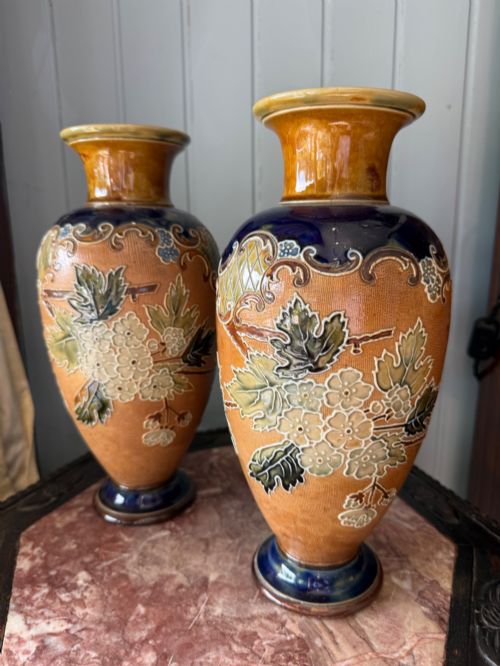
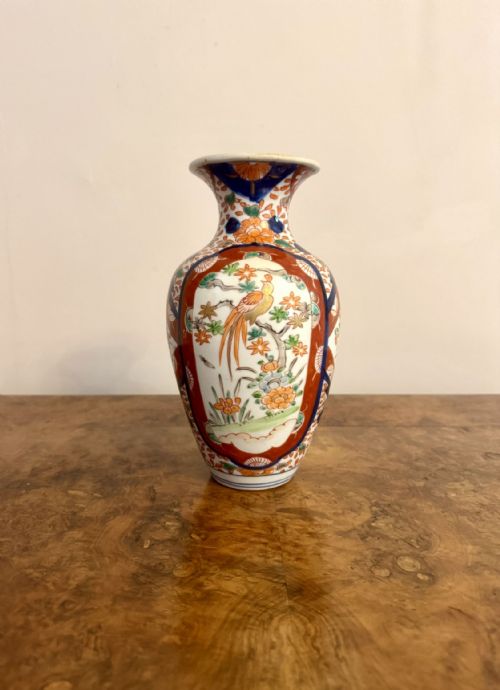
Most pieces date from the nineteenth century, including Victorian earthenware, Bohemian glass, and Japanese porcelain. Forms vary from spill vases and jugs to large bulbous garniture vessels designed for prominent display.
Makers span British factories like Royal Worcester, Spode, and Minton alongside international works such as Ernst Wahliss and Daum. Buyers select these objects for their intricate hand-painted botanical details and varied ceramic bodies.
Materials and Manufacture
Makers shaped porcelain, earthenware, and faience bodies on the wheel or in moulds before applying glazes and underglaze or overglaze colours. Artisans then painted floral subjects by hand, often incorporating gold leaf, gilding, and enamel highlights.
Glass vessels utilised engraving, gilding, and opaque glass techniques to frame painted floral scenes. Firing temperatures determined the permanence of the enamel and the richness of the underlying glaze.
Floral Decorated Vase Retail Price Guide 2026
Typical asking prices for floral decorated vase among the pieces listed under this phrase on Sellingantiques today, from the lower quarter to the upper quarter. They describe what is for sale here now, not the wider market.
Dolphins support one pair of nineteenth-century beaker vases, proving that marine life makes an excellent botanical plinth.
Judging Quality
Quality rests in the precision of the hand-painted botanical detail and the crispness of the gilt or enamel work. Pieces decorated by named artists display superior brushwork and compositional balance.
The choice of body material and the complexity of the vessel shape also influence the standard of the piece. Well-balanced forms with intact gilding represent the higher tiers of production.
William Quaker Pegg·Spode·Minton·Sir Edmund Harry Elton·Doulton·Ernst Wahliss·Daum·Poole Pottery·Burmantofts·Royal Worcester
The Floral Decorated Vase Glossary
- Garniture
- A set of three or more matching vases designed to be displayed together on a mantelpiece or sideboard. They typically feature a central tall vessel flanked by smaller matching pieces.
- Spill Vase
- A small, slender vessel intended to hold wooden spills used for lighting candles and fires. These simple forms often received delicate floral decoration.
- Imari
- A Japanese style of porcelain decoration utilising a palette of underglaze blue, iron red, and gold. European makers frequently imitated these bold patterns.
- Faience
- A type of tin-glazed earthenware developed by various potteries to create decorative vessels with vibrant coloured surfaces. It provides a rich ground for botanical painting.
- Enamel
- Opaque glass-like material fused to metal, glass, or ceramic surfaces through firing. It provides vivid, permanent colour for floral motifs.
Floral Decorated Vase: Frequently Asked Questions
What is a garniture vase set?
A garniture consists of matched vessels designed to sit together as a decorative group on a mantelpiece. These sets often share identical floral motifs painted across varying scales.
Collectors keep complete sets together to preserve their original interior display purpose.
How were floral motifs applied?
Artists painted flowers by hand using enamels, underglaze colours, and gold leaf on porcelain, glass, or earthenware. Skilled decorators added fine botanical details that required multiple kiln firings.
This hand-painted work distinguishes individual pieces from mass-produced transfer-printed items.
How do I date a ceramic vase?
Dating relies on maker marks, ceramic bodies, and stylistic influences such as Art Nouveau or the Aesthetic Movement. Examining the base often reveals impressed or painted factory ciphers.
Comparing the glaze type and painting style to documented examples narrows the production period.
Where should I display these vases?
These decorative vessels suit prominent surfaces like sideboards, mantels, and display cabinets where light catches the gilding. Stable placements away from heavy foot traffic protect delicate glass and earthenware.
Natural daylight helps reveal the fine brushwork of the painted floral details.