



Floral Ceramic Plaque
These floral ceramic plaque pieces bring hand-painted botanicals and rich glaze work straight to the wall.
Floral Ceramic Plaque
A floral ceramic plaque search brings up hand-painted cabinet plates, wall chargers, and decorative pottery tiles spanning several centuries. These pieces transform botanical subjects into durable surface art meant for display.
The selections available here range from Victorian hand-painted porcelain to earlier earthenware tiles. Buyers encounter diverse regional approaches, from English floral arrangements to Japanese export designs and Austrian majolica.
Decorative plates and wall chargers dominate the current selection, offering substantial surfaces for floral and avian motifs. Each piece combines functional pottery forms with dedicated pictorial artistry.
Materials and construction methods
Potters utilised porcelain, earthenware, and majolica as the foundational bodies for these wall pieces. Enamel and rich glaze work were then applied to fix the pigments permanently to the ceramic surface during firing.
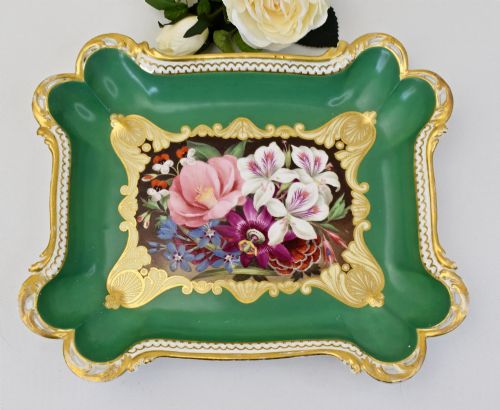
Surface ornamentation often involved detailed hand painting, sometimes enhanced with copper, brass, or gilt elements. Certain works incorporate gold leaf accents to highlight specific botanical or decorative borders.
Floral Ceramic Plaque Retail Price Guide 2026
Typical asking prices for floral ceramic plaque among the pieces listed under this phrase on Sellingantiques today, from the lower quarter to the upper quarter. They describe what is for sale here now, not the wider market.
Listings feature ceramics spanning from the seventeenth century through to the twentieth century, utilising porcelain, earthenware, and copper.
Distinguishing finer examples
Quality rests in the precision of the hand painting and the depth of the glaze. Master painters achieved finer tonal graduation in petals and leaves, lifting certain pieces above standard production wares.
The complexity of the ceramic body and the integration of decorative mounts or gilt detailing also indicate superior workmanship. Pieces demonstrating careful control during the kiln firing retain crisper colour contrasts.
The Floral Ceramic Plaque Glossary
- Majolica
- A type of earthenware glazed with an opaque tin-lead preparation, providing a smooth white ground for colourful painted decoration. This technique allowed makers to achieve vibrant hues on pottery bodies.
- Imari
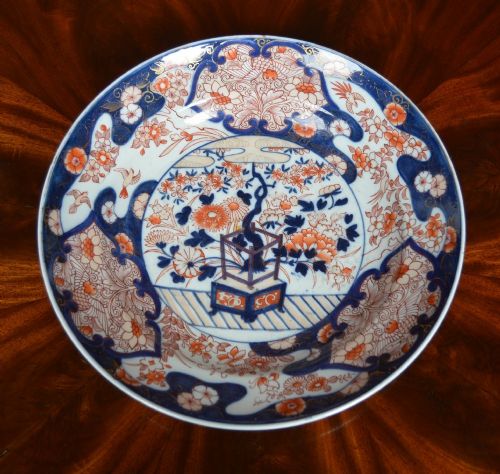
- A traditional style of Japanese export porcelain characterised by rich underglaze blue and overglaze red, gold, and green. These designs influenced European ceramic decoration significantly.
- Porcelain
- A fine, hard, white ceramic material fired at high temperatures until vitrified. It forms a durable and translucent base for delicate botanical painting.
- Glaze
- A glassy coating fused to ceramic surfaces by heat to seal the porous clay body. It protects the painted design underneath while adding lustre.
Floral Ceramic Plaque: Frequently Asked Questions
How do I hang a heavy ceramic plaque?
Heavy ceramic plaques and chargers require specialist wall fixings designed to support the specific weight of the piece safely. Ensure any wire or bracket distributes the load evenly across the foot ring or rim.
Avoid standard picture hooks that lack adequate load-bearing capacity for dense porcelain or majolica. Professional framing shops can supply custom brass wall mounts tailored to unusual plate diameters.
Are these plates meant for dining?
Cabinet plates and wall chargers serve primarily as decorative display items rather than functional tableware. Their painted surfaces and potential gilt embellishments are vulnerable to cutlery marks and frequent washing.
Displaying them on walls or in cabinets preserves the integrity of the enamel and glaze. Use dedicated plate stands if placing them on flat surfaces instead of hanging.
How can I date a floral ceramic plaque?
Dating relies on examining the characteristics of the ceramic body, glaze type, and painting style. Pigment application and stylistic influences often point toward specific periods like the Victorian era or late nineteenth century.
Maker marks on the reverse provide definitive clues when present, though many decorative pieces rely on stylistic comparison. Comparing the potting technique with documented regional standards helps narrow the decade of production.