





Floral Art Nouveau Glassware
Floral art nouveau glassware brings botanical forms and fluid lines straight into your interior, capturing nature in coloured glass.
Floral Art Nouveau Glassware
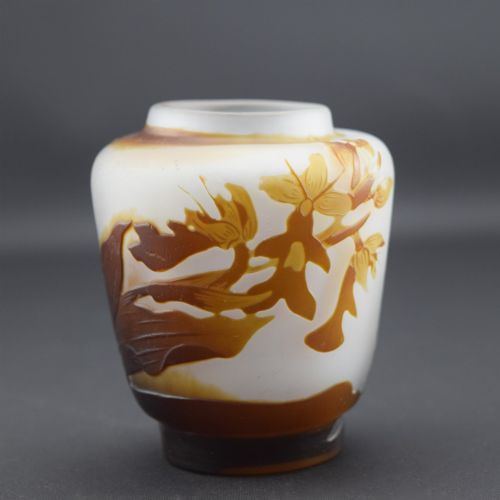
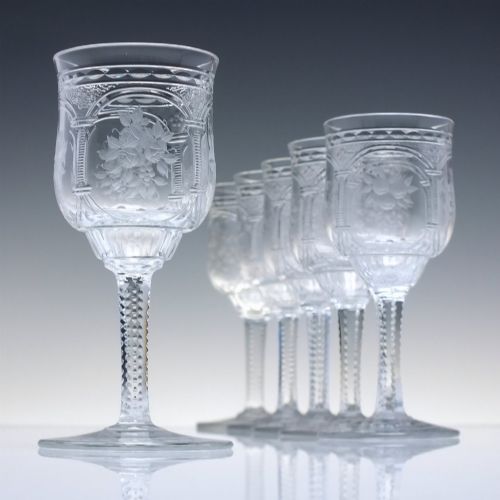
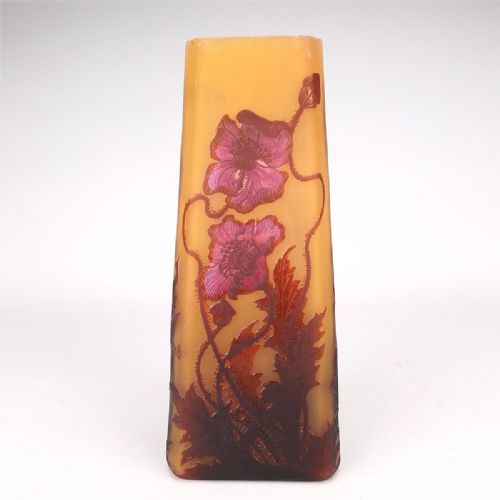
Floral art nouveau glassware encompasses decorative vessels and tableware produced primarily around the turn of the twentieth century. These pieces translate botanical motifs into sculptural forms using techniques developed during the height of the movement. Vases and cordial glasses dominate the selection, shaped by the organic aesthetics of the period.
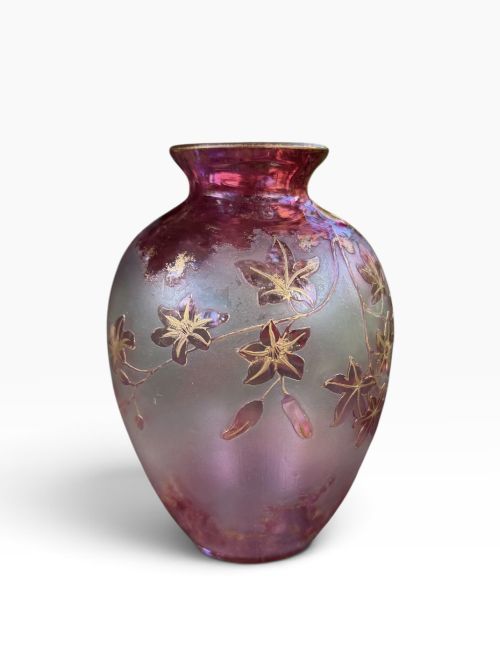
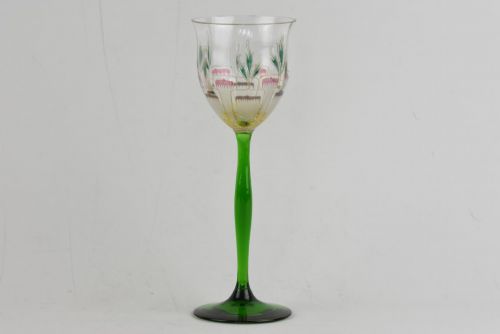
The objects span several decades from the late nineteenth century into the twentieth, showing influences from French and German workshops. Collectors encounter pieces featuring specific floral designs such as poppies, honeysuckle, and clematis executed in cameo glass or delicate enamel. The common thread uniting these items is their direct engagement with natural plant forms.
How they were made
Maker utilise blown glass and lead crystal as the base for cameo work and surface decoration. Acid etching and multi-layered glass techniques build up the relief of the floral patterns, creating depth in the coloured layers. Molten glass receives chemical treatments during blowing to achieve iridescent finishes that catch the light.
Hand enamelling and gold leaf application add fine detail directly onto the surface of the glass vessels. Enamel pigments fuse with the body through firing, whilst gold leaf outlines petals and stems on crystal hock glasses and cordial sets. These applied elements sit proud of the smooth ground or integrate into frosted and opaline finishes.
Floral Art Nouveau Glassware Retail Price Guide 2026
Typical asking prices for floral art nouveau glassware among the pieces listed under this phrase on Sellingantiques today, from the lower quarter to the upper quarter. They describe what is for sale here now, not the wider market.
Materials recorded across the items include cameo glass, enamel, gold leaf, blown glass, frosted glass, lead crystal, and iridescent glass.
What varies in quality
The distinction between standard production and the finest work lies in the control of cameo relief and the crispness of the acid etching. Superior pieces display meticulous undercut layers where botanical details like poppies or begonias emerge with botanical accuracy and subtle shading. Poorer execution results in flat profiles and muddy colour transitions between the glass layers.
Hand-painted enamel work reveals quality through the precision of the brushwork and the vibrancy of the pigments used for floral decoration. High-grade items maintain delicate line work without bleeding, whilst lesser examples show heavier, less refined applications. The weight and clarity of the base glass or crystal also determine the overall standing of a piece.
Baccarat·Theresienthal·Gallé·Loetz·Daum·Paul Nicholas for D'Argental
The Floral Art Nouveau Glassware Glossary
- Cameo glass
- A technique involving multiple layers of coloured glass fused together and carved or acid-etched to create a raised design. The background is cut away to leave the botanical motif standing in contrast.
- Iridescent glass
- Glass treated with metallic salts while hot to produce a shimmering, rainbow-like sheen on the surface. This finish mimics natural oil films and enhances organic forms.
- Opaline
- An opaque or translucent pale glass with a milky appearance, often used as a ground for enamel decoration. It diffuses light softly through the painted botanical subjects.
- Jugendstil
- The German manifestation of the art nouveau movement, sharing the same organic inspiration and botanical focus. It appears frequently in continental glass production of the period.
- Jack in the Pulpit
- A distinctive nineteenth century vase shape with a wide, flared rim resembling the flower of the same name. The sweeping form accommodates fluid iridescent glass treatments.
Floral Art Nouveau Glassware: Frequently Asked Questions
How do I clean floral art nouveau glassware safely?
Wash delicate pieces by hand in warm soapy water using a soft cloth, avoiding abrasive sponges that damage enamel or gold leaf.
Dry them immediately with a lint-free towel to prevent water spots on the iridescent or cameo surfaces.
Can I use these antique glasses for drinks today?
Cordial glasses and hock sets can serve beverages on special occasions, provided you handle them with the care due to fragile historic crystal.
Hand wash them gently after use and keep them away from modern dishwashers and sudden temperature changes.
What defines the Jugendstil style in these glass pieces?
Jugendstil represents the German and Austrian branch of art nouveau, focusing heavily on stylized plant motifs and sinuous natural lines.
It appears on glassware through specific enamel patterns and vase forms produced by continental factories during the early twentieth century.