

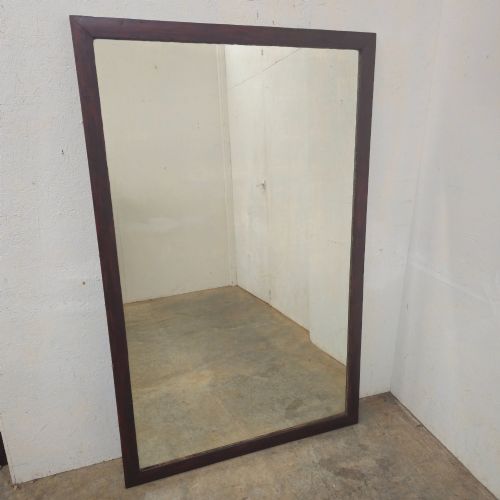
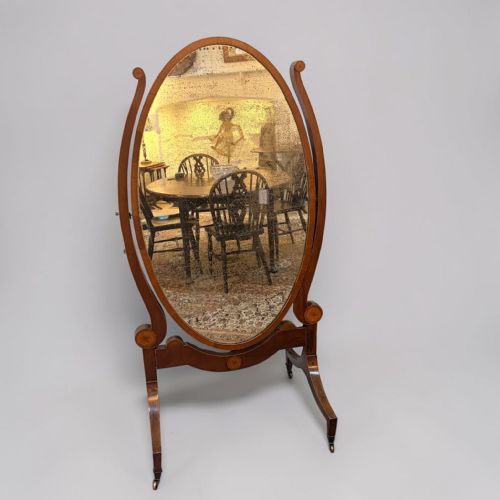
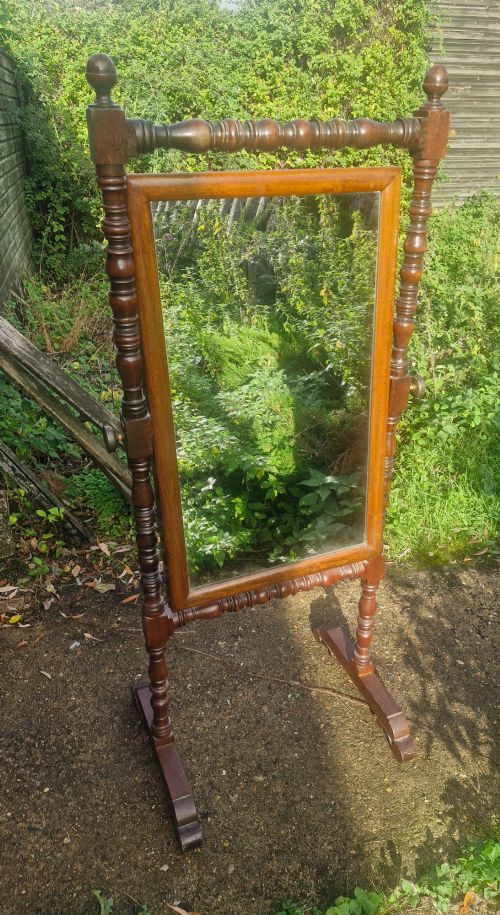
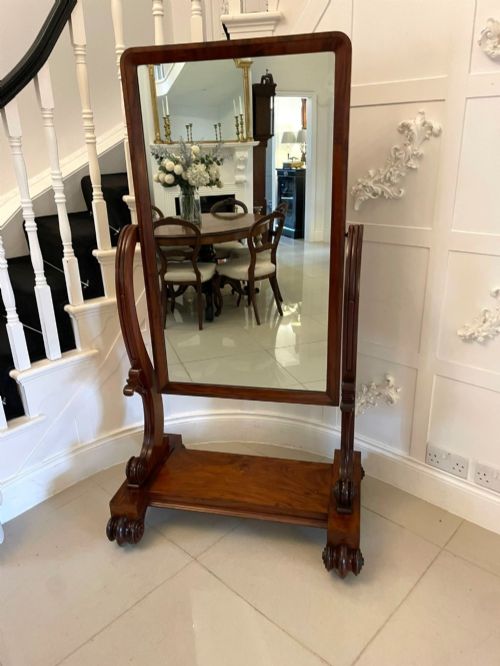
Floor Dressing Mirror
A floor dressing mirror offers a full-length reflection in a freestanding frame, helping you check your attire from head to toe.
Floor Dressing Mirror
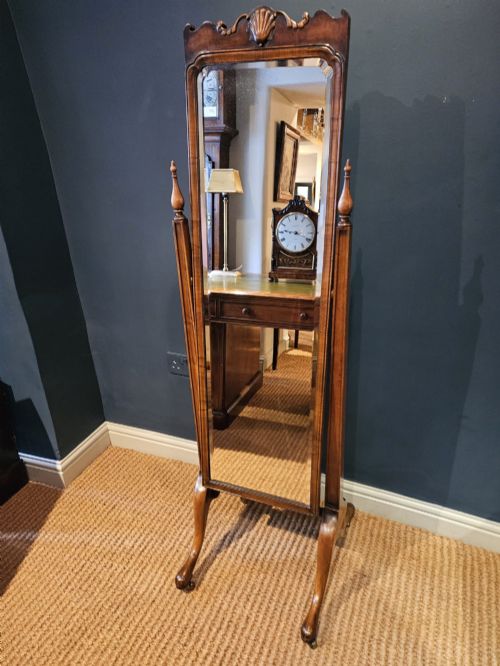
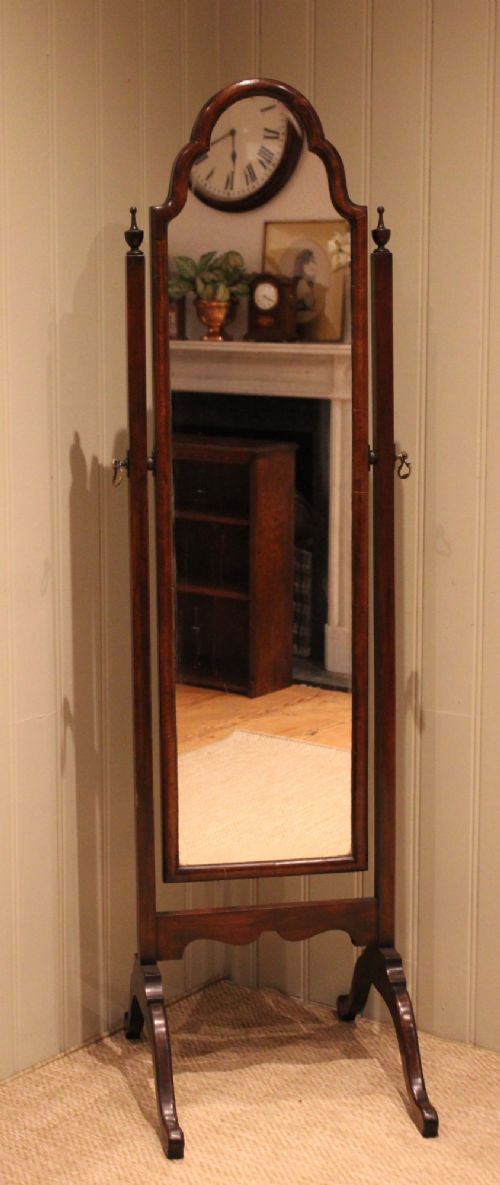
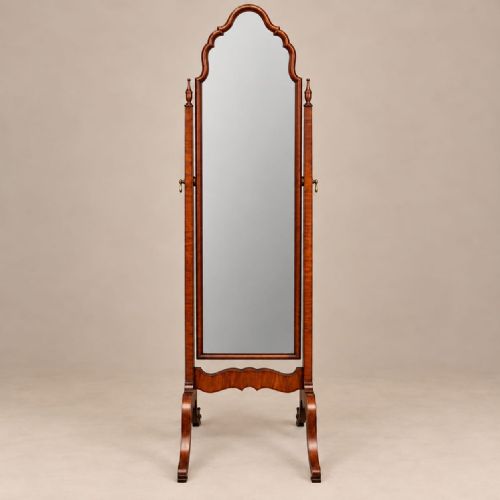
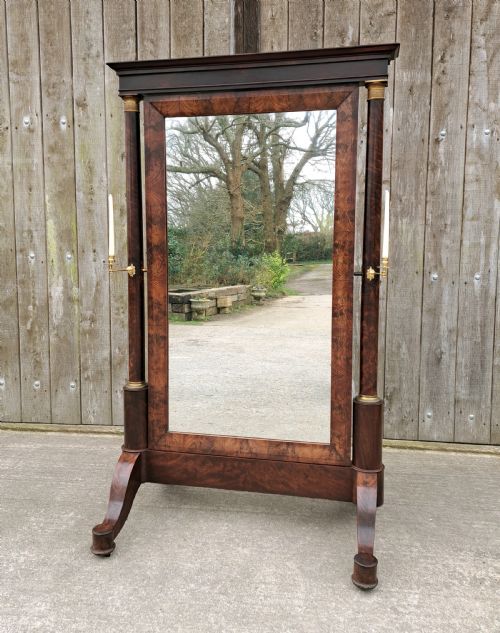
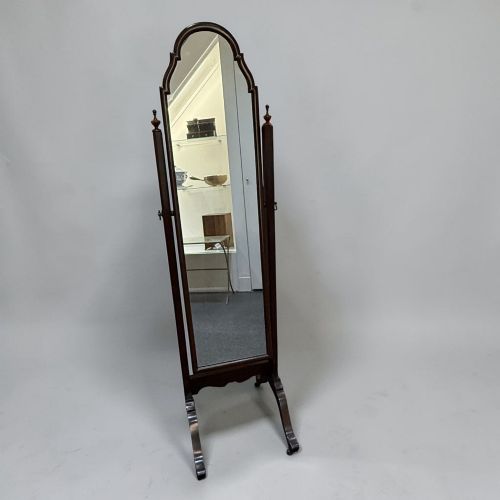
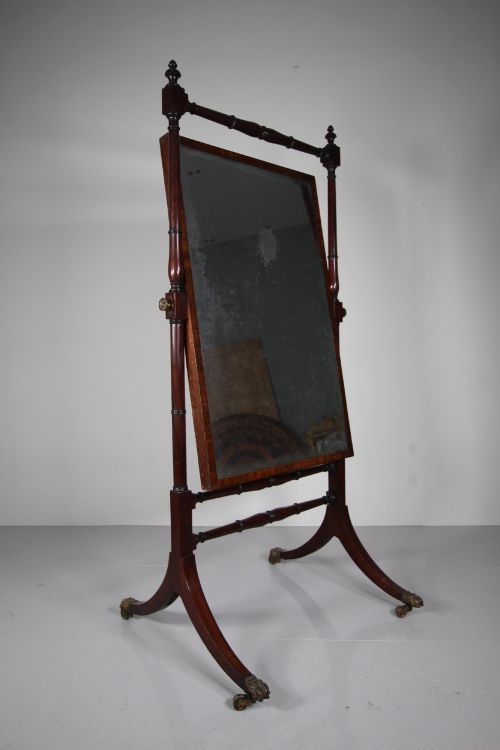
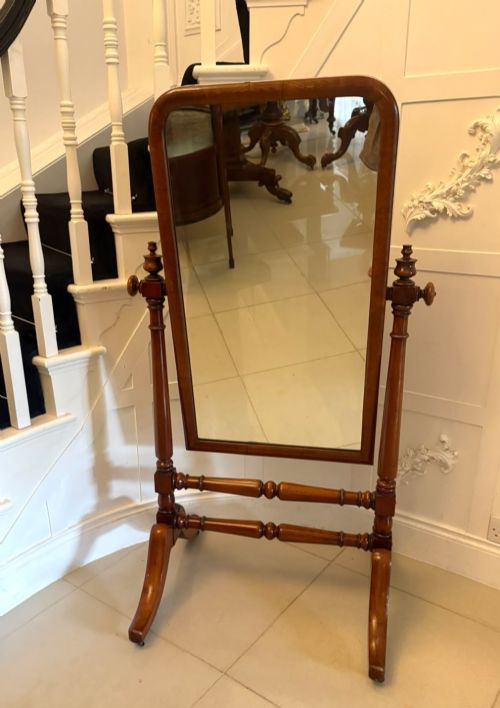
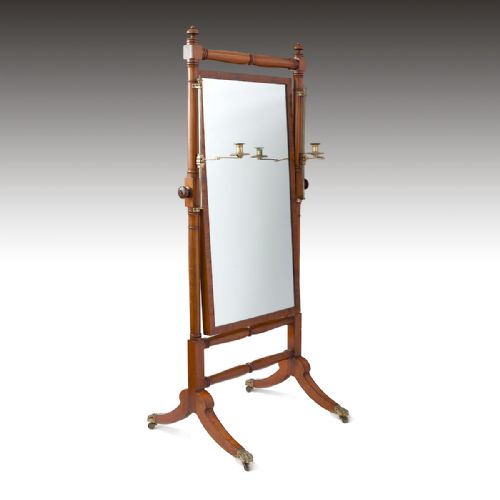
A floor dressing mirror primarily takes the form of a cheval mirror, which is a swing mirror suspended on a freestanding frame. You will frequently encounter mahogany and burr walnut examples spanning the nineteenth century and the early twentieth century.
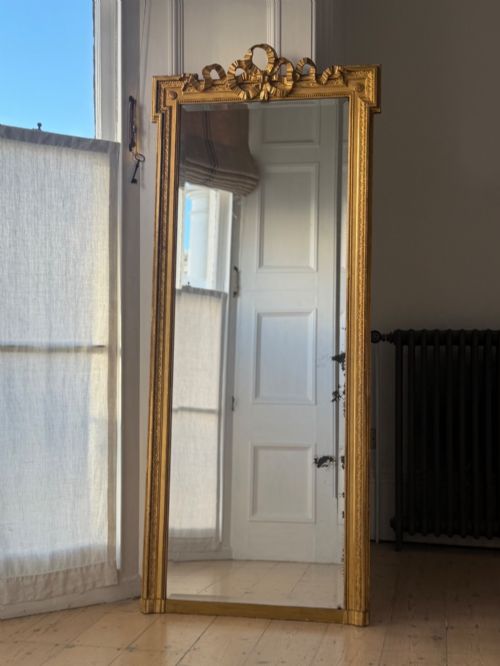
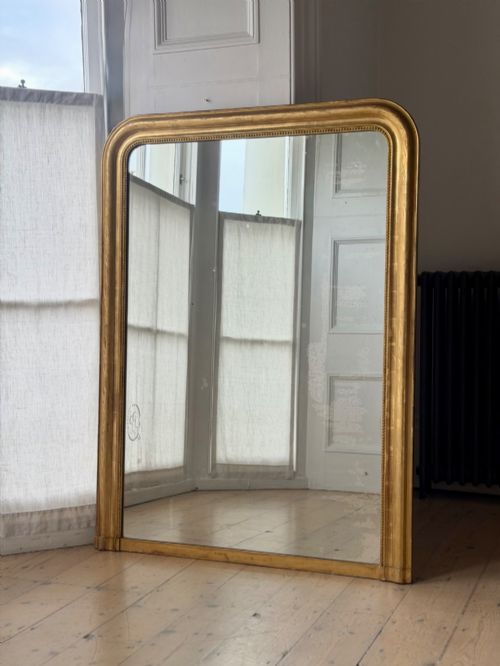
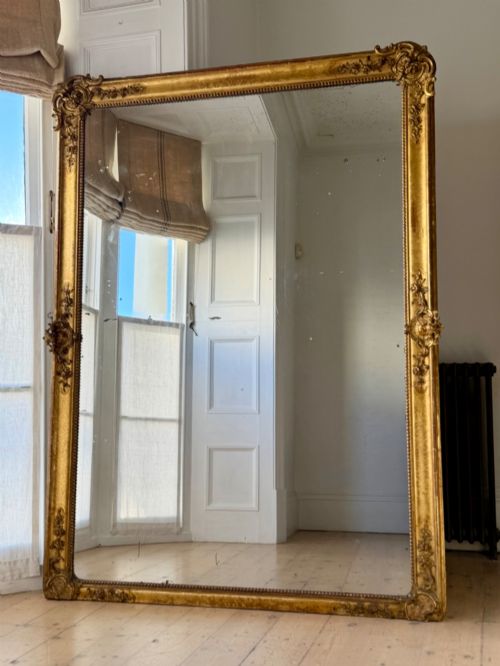
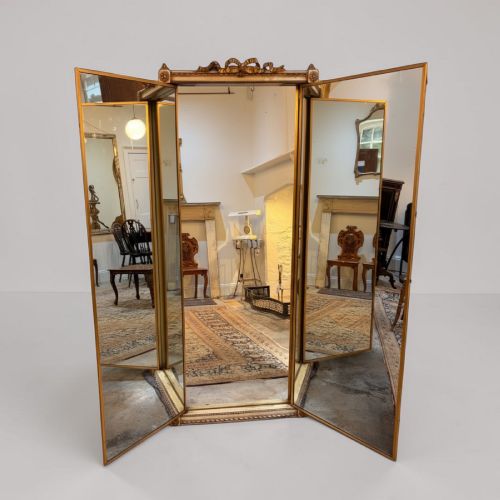
The selection ranges from Regency and Victorian designs with barley twist supports or brass castors to French Louis Philippe and giltwood leaner mirrors. These pieces serve practical functions in bedrooms and dressing rooms while anchoring the decor of a space.
Materials and construction
Frames are constructed from solid timbers such as mahogany, oak, satin birch and pine, frequently finished with decorative veneers like burr walnut. Giltwood and gesso form ornate surfaces on continental and revival frames, utilising carved details and metallic leaf.
Mirror plates include early mercury glass and bevelled glass retained within pivoting frames. Brass hardware, including adjustable screw pins and castors, allows the glass to tilt smoothly on its vertical axis.
Floor Dressing Mirror Retail Price Guide 2026
Typical asking prices for floor dressing mirror among the pieces listed under this phrase on Sellingantiques today, from the lower quarter to the upper quarter. They describe what is for sale here now, not the wider market.
Listings feature mahogany, burr walnut, and giltwood frames across Victorian, Regency, and Edwardian periods.
Distinguishing quality
The weight and stability of the supporting frame separate standard examples from finer works. Robust timber selection and substantial base construction ensure the tall frame supports the heavy glass without leaning or rocking.
The crispness of carved woodwork, the quality of the mercury or bevelled glass plate, and the finish of the original brass fittings indicate the standard of craftsmanship invested in the piece.
The Floor Dressing Mirror Glossary
- Cheval mirror
- A freestanding full-length mirror suspended on a swivelling frame. This design allows the glass to tilt to various angles.
- Leaner mirror
- A large tall mirror designed to rest against a wall without being hung from brackets. These pieces often feature decorative arched tops.
- Mercury glass
- An early type of silvered glass created by pouring a mercury and tin amalgam between double-walled glass. It produces a mottled, atmospheric reflection.
- Gesso
- A plaster-like mixture applied to wood frames to create a smooth surface for gilding and carving. It allows for intricate relief details.
- Barley twist
- A turning technique resembling a twisted rope, commonly found on nineteenth-century upright supports. This decorative detail adds texture to wooden frames.
Floor Dressing Mirror: Frequently Asked Questions
Where should I place a floor dressing mirror?
These mirrors suit bedrooms, dressing rooms and hallways where adequate floor space allows a full-length view. Positioning them opposite a window helps bounce natural light deeper into the room.
Ensure the freestanding frame rests on level flooring so the pivoting mirror functions correctly without swinging unassisted.
How do I adjust a cheval mirror?
Most cheval mirrors use brass screw pins or thumbscrews inserted into the side posts to hold the glass frame at a desired angle. Loosening these fittings allows you to tilt the mirror forward or backward.
Support the weight of the glass with one hand while adjusting the fixings to prevent sudden movement or strain on the pivots.
What is the difference between a cheval and a leaner mirror?
A cheval mirror stands independently on its own four-legged or trestle base, using a pivoting mechanism to tilt the glass plate. A leaner mirror lacks a frame stand and relies on resting directly against a wall.
Cheval mirrors offer adjustable angles for dressing, whereas leaner mirrors provide a fixed, wide-angle vertical reflection.
How do I clean antique mirror glass?
Use a soft microfiber cloth and a mild glass cleaner sprayed onto the cloth rather than directly onto the glass. This prevents moisture from seeping behind the plate and damaging the silvering.
Take care around the edges of older glass plates, particularly mercury glass, where the backing is fragile and susceptible to flaking.