




Flint Glass Drinking Stem
These flint glass drinking stem examples hold centuries of social history in the hand, offering tangible connections to Georgian dining tables through clear lead crystal forms.
Flint Glass Drinking Stem
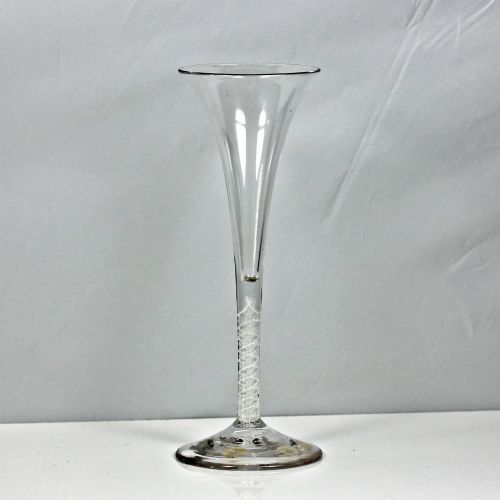
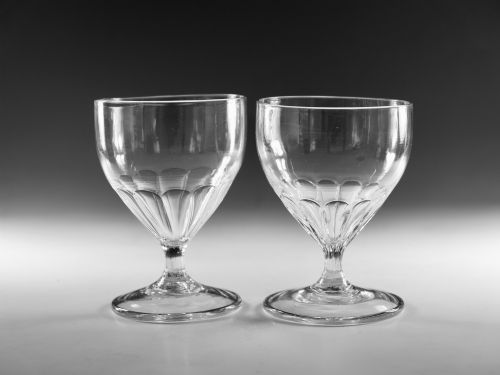
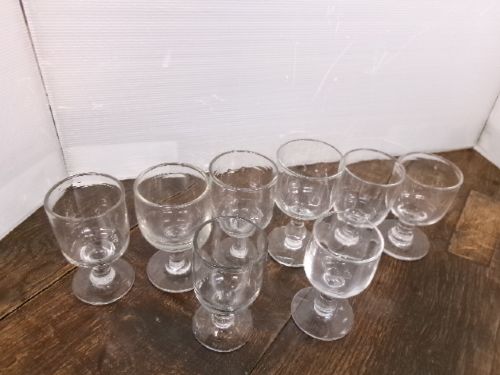
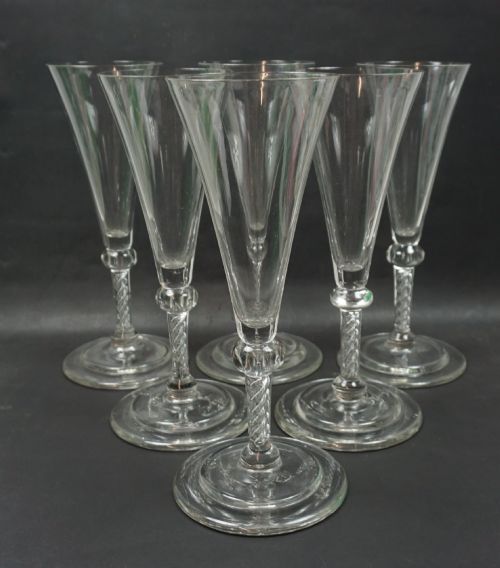
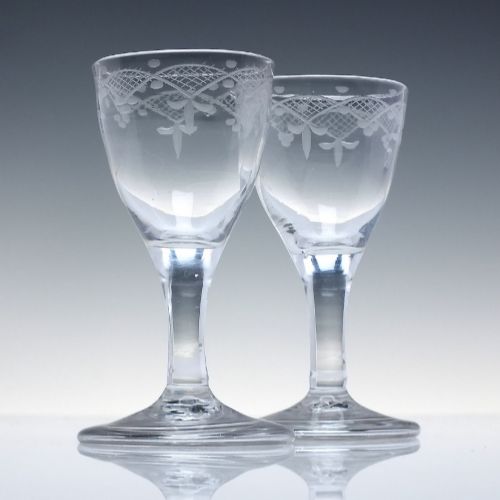
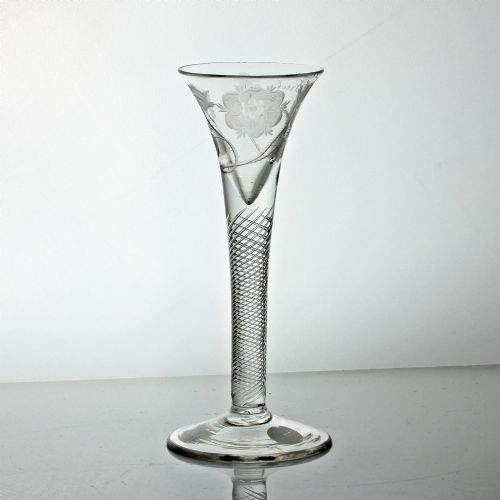
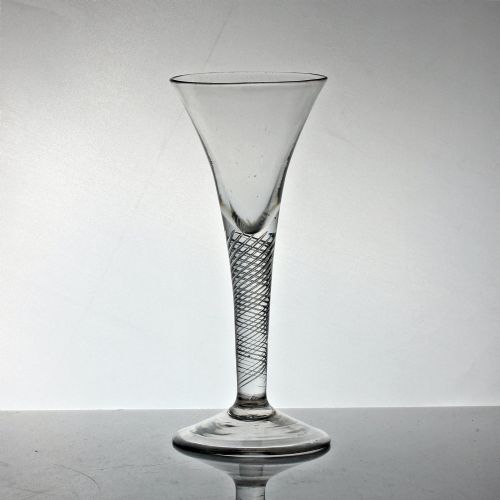
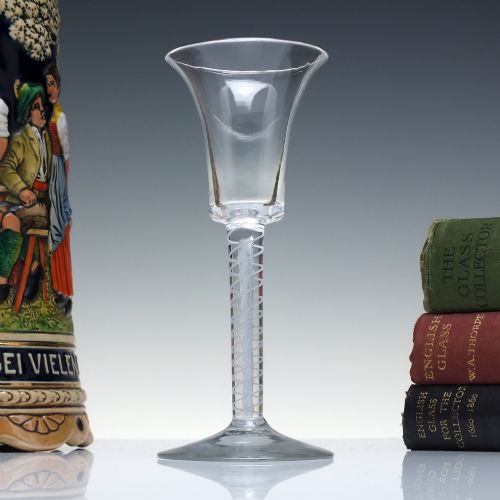
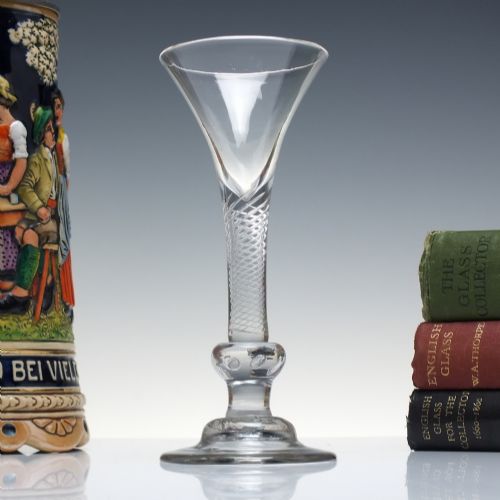
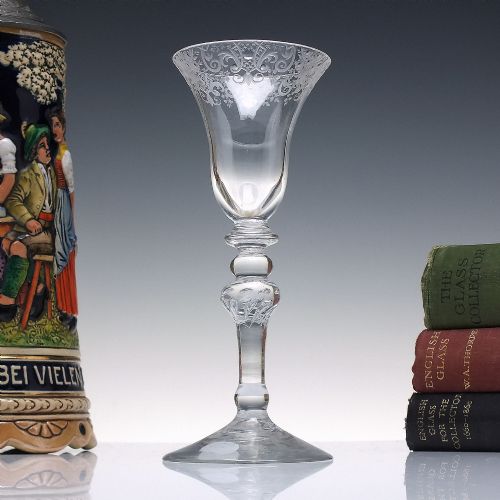
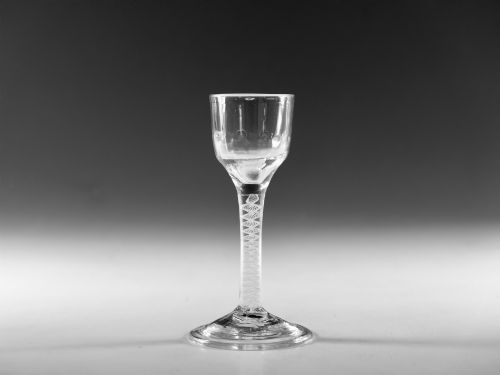
A flint glass drinking stem selection encompasses tablewares designed for wine, ale, drams, and cordials originating predominantly from the eighteenth century and the Georgian period. Pieces range from modest plain stem goblets to elaborate air twist and opaque twist wine glasses, alongside later rummers and twentieth century flutes.
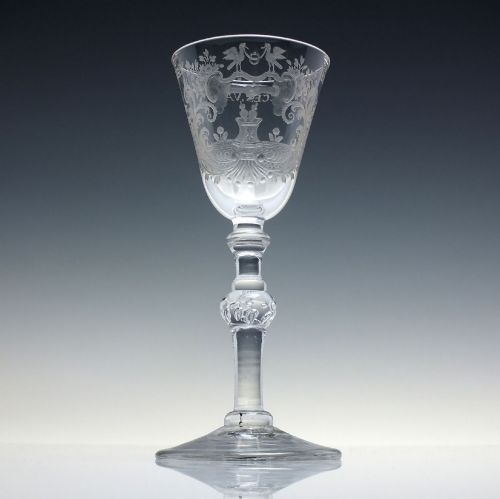
The objects present various bowl shapes, including trumpet, ogee, flared bucket, and ribbed designs, often supported on folded feet or domed bases. Collectors encounter specific stylistic categories such as balusters, balustroids, and facet stem vessels reflecting English glassmaking traditions.
Craftsmanship and Proportion
Quality rests in the harmony of proportion between the bowl, stem, and foot, alongside the clarity of the metal and the dexterity shown in forming twists. Superior examples display crisp wheel engraving and well-balanced weight distribution.
Minor variations in thickness or small inclusions within the material reflect period production methods, while precision in twist formation and depth of facet cutting distinguish finer specimens from standard utility ware.
Some eighteenth century vessels carry clandestine political toasts engraved on the bowl for secret drinking clubs.
The Flint Glass Drinking Stem Glossary
- Air twist
- A stem containing elongated internal air spirals formed by drawing out bubbles within the molten glass before twisting.
- Opaque twist
- A stem featuring white or coloured enamel rods encased within clear lead glass to create lace-like internal patterns.
- Baluster
- A heavy, thick stem characterised by knops and swelling profiles derived from architectural columns of the seventeenth and eighteenth centuries.
- Folded foot
- A base edge turned underneath during manufacture to provide extra weight and strength to the rim.
- Rummer
- A capacious drinking vessel with a round or ovoid bowl, popular for ale and wine during the late eighteenth and nineteenth centuries.
Flint Glass Drinking Stem: Frequently Asked Questions
How do I date a flint glass drinking stem?
Dating relies upon stylistic evolution in bowl forms, stem construction, and foot configurations across the eighteenth and nineteenth centuries. Details like baluster knops, twist types, and folded feet point to specific decades.
Changes in glass composition and cutting techniques further help differentiate early Georgian examples from later Victorian reproductions or twentieth century revivals.
What is the difference between an air twist and an opaque twist?
An air twist contains trapped air drawn into spiral channels inside the stem, creating a subtle, shimmering effect. An opaque twist incorporates solid white or coloured enamel rods.
Both methods required high skill from the glassblower, with opaque twists emerging slightly later in the eighteenth century.
Why do some glasses have folded feet?
Makers folded the bottom edge of the foot back underneath the base to reinforce the rim against chipping during daily tavern or household use. This technique also added helpful weight to the lower section for better balance.
Folded feet appear frequently on pieces from the first half of the eighteenth century.
How should I display and care for antique stemware?
These pieces require stable shelving away from direct sunlight and temperature fluctuations that might stress the historic material. Hand washing in lukewarm water with mild soap protects the fragile surfaces.
Avoid dishwashers and harsh chemicals entirely to preserve the clarity of the lead crystal and any delicate wheel engraving.