
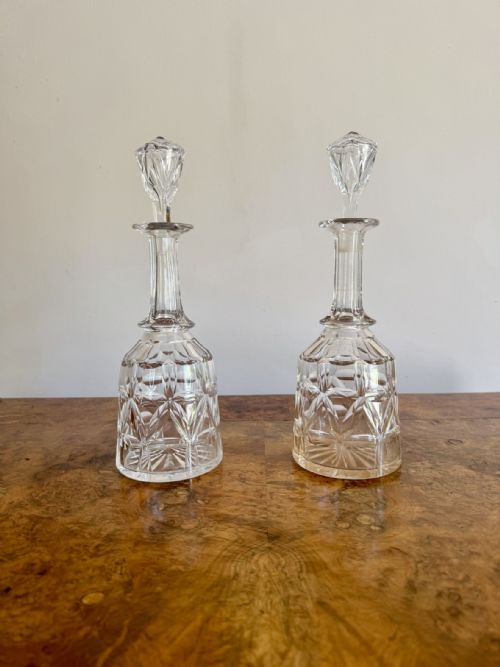
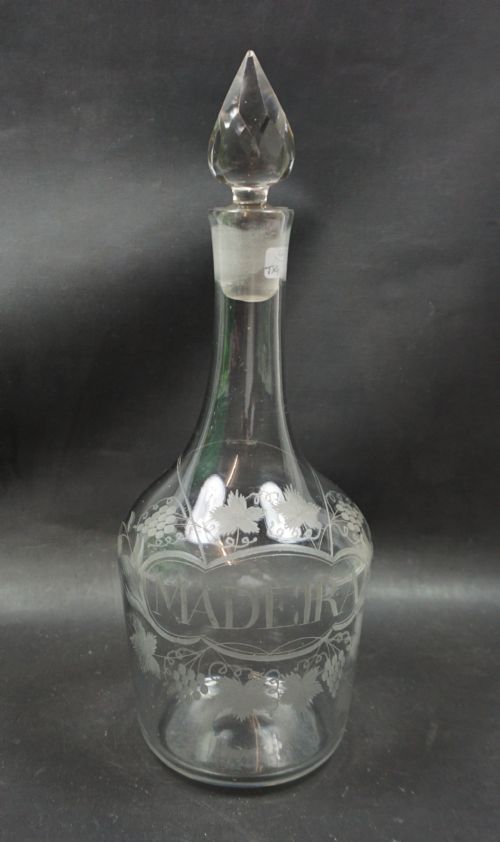


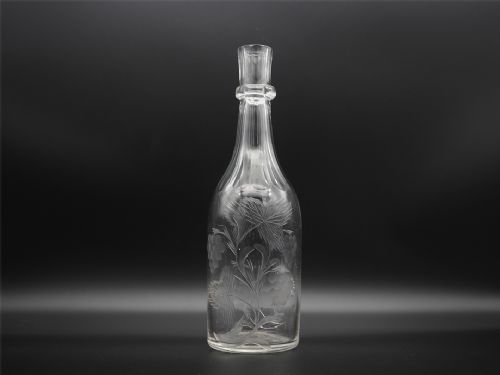

Flint Glass Carafe
A flint glass carafe is a heavy, clear vessel designed to hold wine or spirits, prized for its brilliant refractive clarity and enduring historical craftsmanship.
Flint Glass Carafe
When you search for flint glass carafe, you encounter serving vessels and decanters spanning the eighteenth and nineteenth centuries, including Georgian, Regency, and Victorian periods.
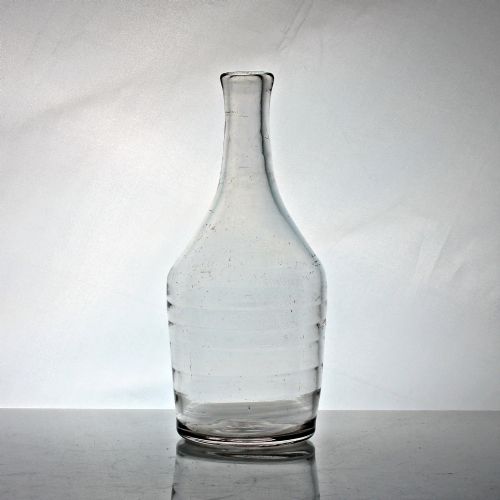
The selections on this page range from plain blown forms to heavily cut lead crystal and engraved table wares.
You are most likely to meet Georgian and Regency pieces alongside Edwardian examples, appearing as single bottles or matched pairs.
How they were made
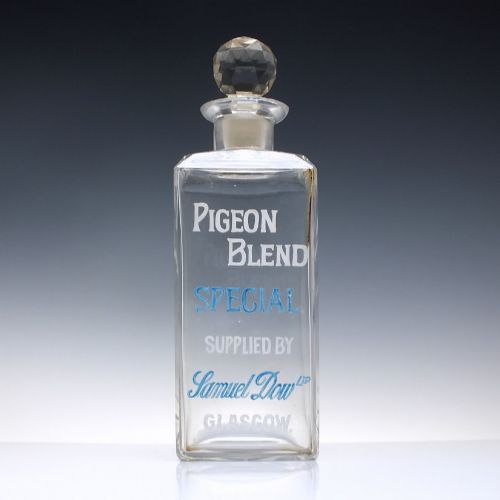
Maker workshops utilised lead glass and crystal, shaping the metal through blowing techniques such as optical blowing before finishing the surface with wheel cutting or enamel decoration.
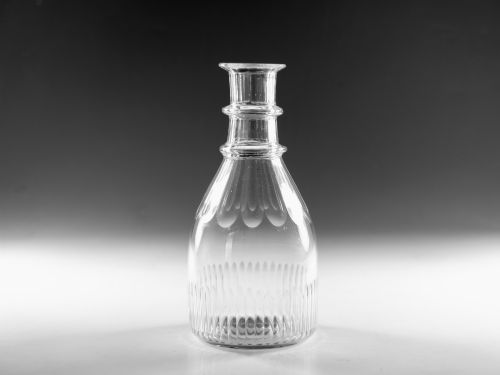
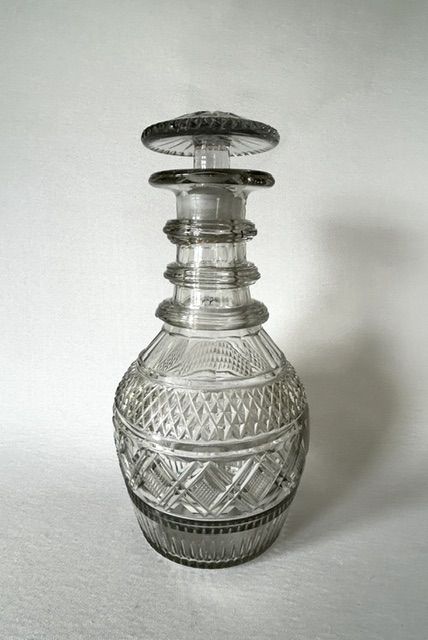
Craftsmen formed distinct profiles like shoulder decanters and bell shapes, often applying rings around the neck for secure handling during use.
What varies in quality
The standard of a piece depends on the depth and crispness of the glass cutting, the weight of the lead crystal, and the symmetry of the blown form.
Extraordinary examples display refined hand-engraving, intact stoppers, and well-defined decorative neck rings that show superior workshop execution.
James Powell
The Flint Glass Carafe Glossary
- Flint glass
- A heavy, clear glass containing lead oxide that increases refractive index and brilliance. This material forms the foundation of the finer decanters on this page.
- Lynn rings
- Horizontal raised bands encircling the neck of a decanter or carafe. They provide a secure grip when pouring.
- Shoulder decanter
- A vessel characterised by a broad, flat shoulder tapering down to a cylindrical or mallet base. This shape provides stability on the dining table.
- Optical blown
- A glassblowing technique where the molten metal is expanded in a ribbed mould to create internal fluting or pattern. It produces a distinctive rippled effect in the walls.
Flint Glass Carafe: Frequently Asked Questions
What is a flint glass carafe?
A flint glass carafe is a heavy vessel made from lead-rich glass, designed for serving wine or spirits at the dining table.
These pieces utilise the high refractive index of the material to catch the light, appearing in various cut and blown forms across the Georgian and Victorian eras.
How do I date an old carafe?
Dating relies on observing the silhouette, the presence of neck rings, and the specific cutting or engraving styles recorded across different eras.
Georgian and Regency examples often feature distinct neck rings and heavy lead crystal construction, whereas Edwardian and later pieces display different baseline stylistic proportions.
Were these vessels used daily?
These pieces served as functional tableware for decanting and presenting wines, spirits, and beers during formal meals and social gatherings.
Their robust lead glass construction ensured they could withstand regular handling by domestic servants and hosts alike.
What makes a piece rare?
Rarity often stems from unusual specialised forms, such as magnum sugarloaf beer decanters or specific enamelled regional attributions.
Surviving pairs and vessels bearing period-specific engraved labels add further distinction to historical examples.