


Clear Lead Glass Bottle
These clear lead glass bottle examples range from Georgian decanters to Edwardian scent bottles, prized for heavy refractive weight and sharp brilliant cutting.
Clear Lead Glass Bottle
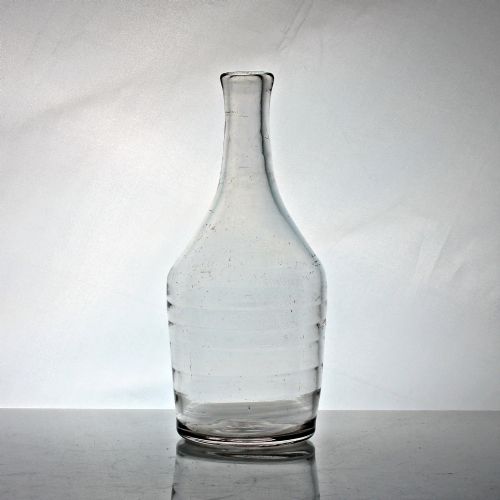
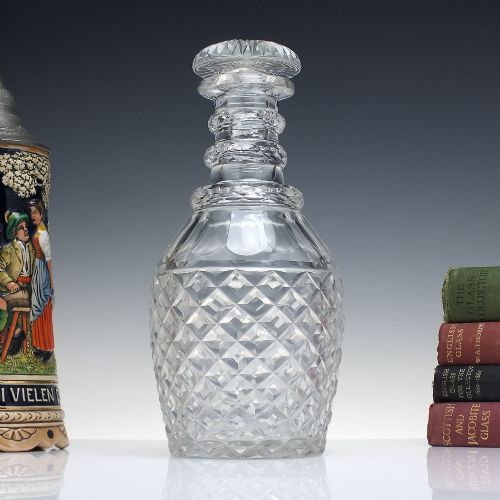
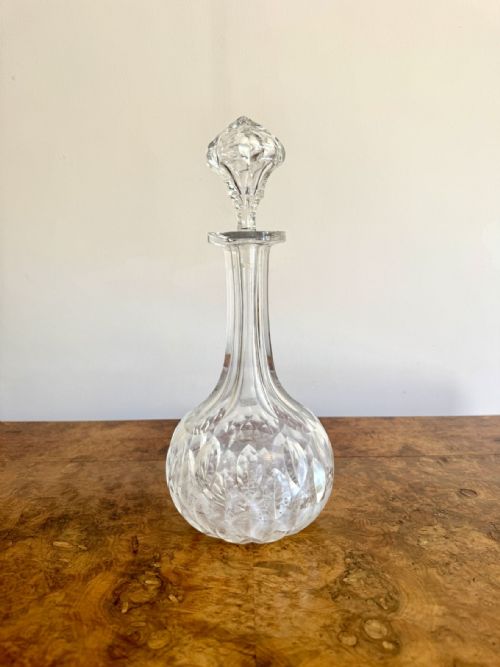
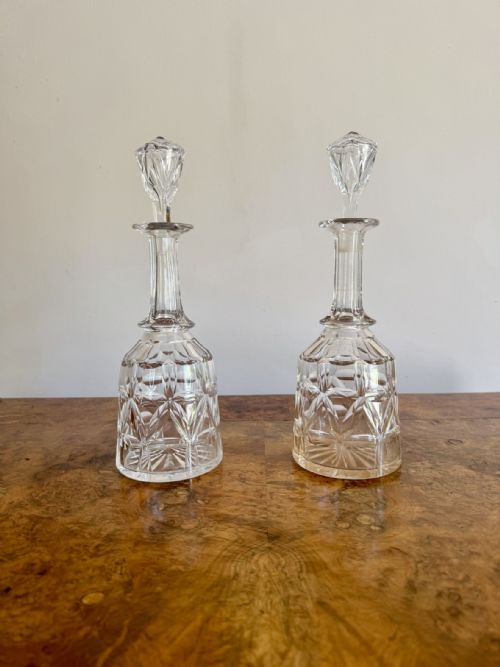
When searching for a clear lead glass bottle, buyers encounter vessels designed for holding wine, spirits, and scent, spanning the eighteenth century through the Edwardian period. The selections on this page lean heavily toward Victorian and Edwardian decanters alongside Georgian carafes and spirit bottles.
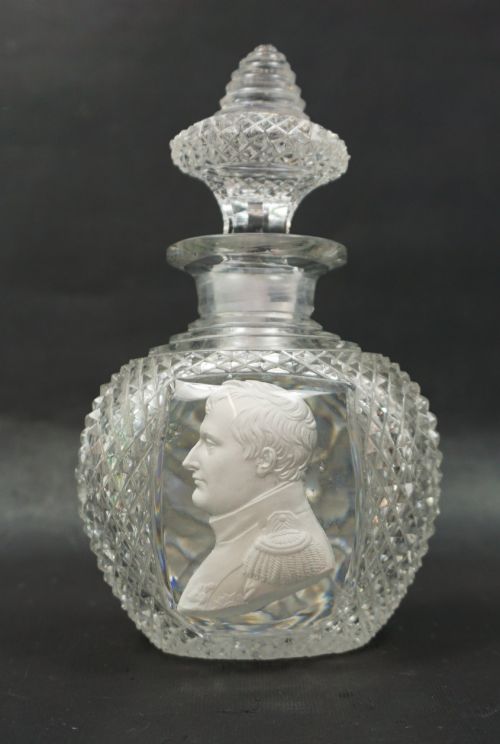
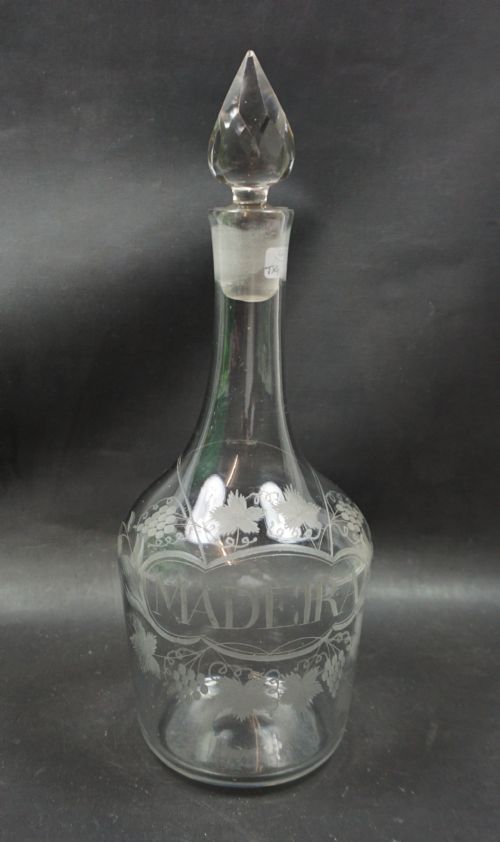
Forms vary from heavy sugarloaf beer decanters and shoulder carafes to scent bottles inset with sulphide portraits and five-piece cruet sets. Many pieces retain their original functional context, including engraved labels for Madeira, brandy, and whisky.
How they were made
Makers utilised heavy lead crystal and lead glass compositions, which provided the dense, clear material necessary for deep wheel cutting and optical blowing. The addition of lead oxide to the metal increased refractive index and weight, allowing artisans to shape substantial carafes and decanters.
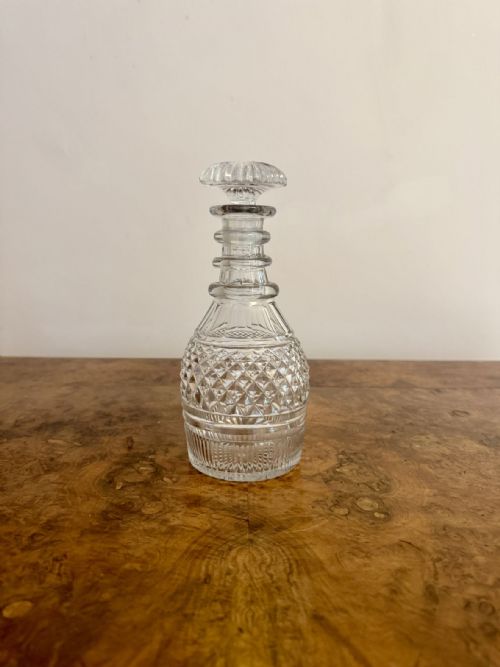
Decoration relied on hand-cutting techniques to produce facets, flutes, and concentric rings encircling the neck, such as the Lynn rings found on eighteenth-century examples. Engraving was also employed to apply bottle tickets or decorative motifs directly onto the clear surface.
Listings span the eighteenth century, Regency, Victorian, and Edwardian periods, demonstrating forms from heavy sugarloaf decanters to Art Deco cruet sets.
What varies in quality
Distinctions in quality rest upon the crispness of the cutting and the weight of the metal itself. Superior examples display sharply defined facets and clear ringing tones when struck, whereas lesser items show softer edges from worn moulds or shallower wheel work.
Proportion and form dictate the upper tier of the range, particularly where matched pairs or unusual configurations like magnum sugarloaf decanters and detailed sulphide portraits are concerned.
James Powell
The Clear Lead Glass Bottle Glossary
- Lead glass
- Glass containing metallic oxides that increase density, weight, and clarity. This formulation allows deeper surface cutting than standard soda-lime glass.
- Lynn rings
- Concentric horizontal ridges spaced along the neck of a decanter or carafe. They provide a secure grip when pouring.
- Sulphide
- A small white cameo made of ceramic paste embedded within clear glass. These portraits appear frequently in nineteenth-century French scent bottles.
- Cruet set
- A matched grouping of small bottles or cruets held in a frame for condiments. They utilise heavy lead crystal construction for stability on the dining table.
Clear Lead Glass Bottle: Frequently Asked Questions
What are clear lead glass bottles used for?
These vessels served primarily to store and pour wine, spirits, and perfumes in domestic settings. Decanters and carafes managed the decanting of port and whisky, while smaller bottles held scents.
Many examples include engraved spirit labels or form part of larger cruet sets designed for dining tables.
How do I identify a Georgian decanter?
Georgian pieces often feature distinct neck rings, such as Lynn rings, alongside heavy shoulder carafes or sugarloaf profiles. The glass typically exhibits a darker, greyer tone with heavier manual pontil marks on the base.
Proportions tend toward robust utility, reflecting eighteenth-century dining habits.
What is the difference between crystal and glass?
Lead crystal contains a specific proportion of lead oxide, which increases the material's weight, brilliance, and softness for cutting. Standard glass lacks this chemical addition and feels lighter.
Cut crystal displays sharper refractive qualities under light than ordinary clear glass.
How should I clean antique decanters?
Gentle washing with warm water and mild detergent preserves the historical surface of lead glass. Abrasive brushes or harsh chemicals can scratch the interior or damage old glass.
Allowing vessels to air dry completely prevents moisture accumulation inside narrow necks.