
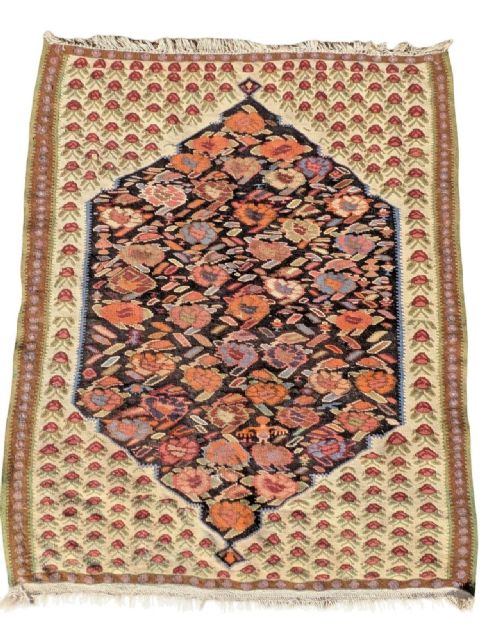
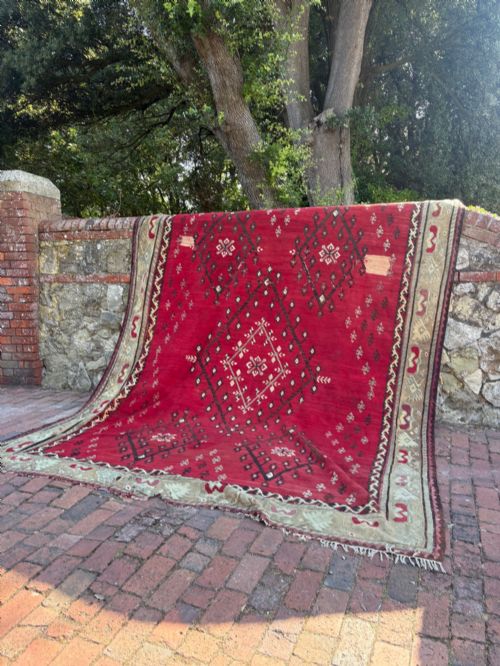
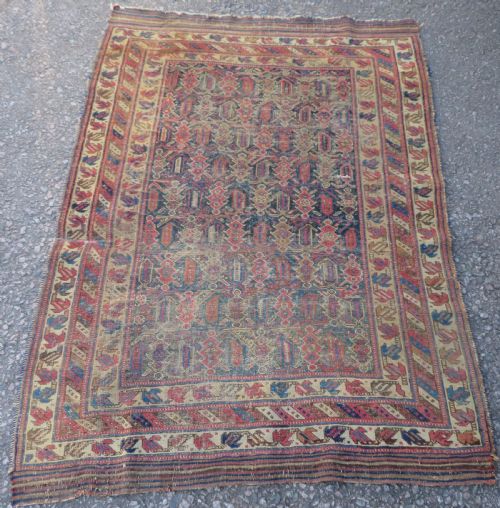
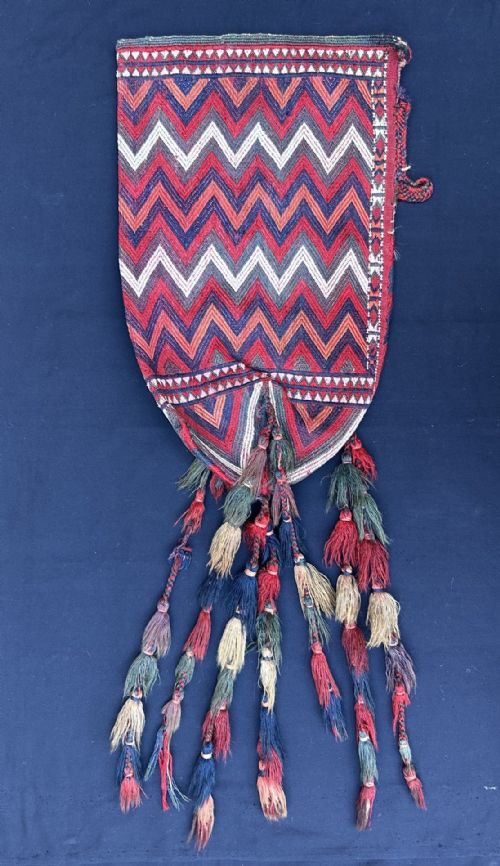



Flat Woven Tribal Rug
When you search for a flat woven tribal rug, you are looking at utilitarian textiles produced by nomadic and village weavers across Anatolia, Persia, the Caucasus, and Central Asia.
Flat Woven Tribal Rug
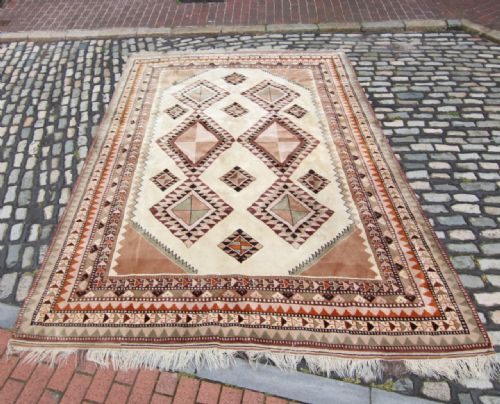
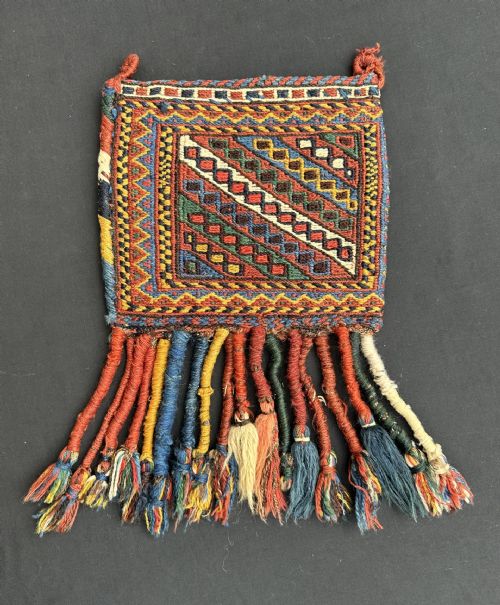
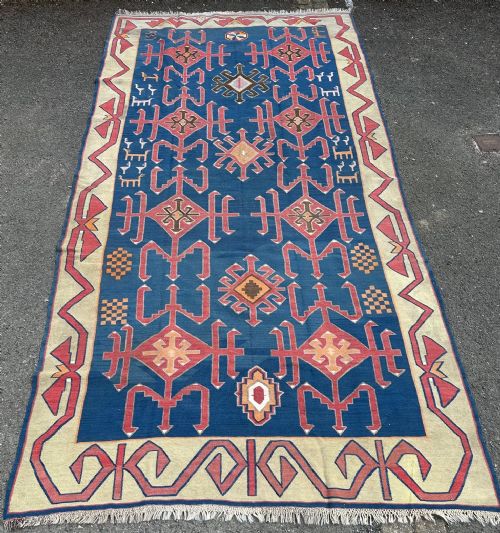
A flat woven tribal rug encompasses utility textiles such as kilims, runners, carpets, and storage containers including salt bags, saddlebags, and grain sofres. These pieces originate from distinct tribal groups like the Afshar, Shahsavan, Yomut, Tekke, and Ersari, each retaining regional geometric and banded designs.
The selection spans the mid-nineteenth century through the early twentieth century, reflecting domestic and nomadic traditions. Forms range from large room-sized carpets down to small cushion covers and bag faces.
Buyers encounter diverse ethnic weaving traditions, from Caucasian Shirvan and Karabagh kilims to Turkish Malatya and Esme flatweaves. These textiles served functional purposes in nomadic tents and village homes before entering the decorative market.
How They Were Made
Weavers utilised hand-spun wool and cotton, combining warp-and-weft interlocking techniques to create reversible textiles without pile. Natural dyes provided the foundational palette, yielding soft colours across banded and geometric motifs.
Specialised structures such as soumak work appear alongside slit-tapestry weaving, adding structural relief and durability to storage bags and heavy carpets. Large formats were frequently woven in two separate panels and subsequently joined down the centre.
The inventory includes functional nomadic items such as salt bags, saddlebags, and sofres alongside large room-sized kilims.
What Varies in Quality
Quality rests in the precision of the tribal geometry, the saturation and depth of the natural dyes, and the fineness of the hand-spun wool. Tightly packed wefts and balanced proportions distinguish finer tribal work from coarser utility weaving.
Condition and completeness alter the standing of a piece, separating examples that retain original fringes, tassels, and backs from those showing extensive structural repairs or heavy distress.
Afshar Nomads·Shahsavan Nomads·Yomut Tribes·Tekke Turkmen
The Flat Woven Tribal Rug Glossary
- Kilim
- A flat-woven carpet or rug produced without a pile by tightly interweaving warp and weft strands. This technique creates a lightweight, reversible textile with sharp geometric patterns.
- Soumak
- A brocade-like flat-weaving technique where coloured weft threads are wrapped over and under the warp threads. This method adds significant weight and durability to storage bags and heavy rugs.
- Sofre
- A flat-woven spread used for kneading dough or serving communal meals within nomadic households. These pieces often feature specific central medallions and utilitarian rectangular proportions.
- Torba
- A small, wide Turkmen storage bag designed for hanging inside a tent. They frequently display characteristic guls and banded end finishes.
- Mafrash
- A large rectangular storage bale face used by nomadic groups for bedding and household goods during seasonal migrations. They are often constructed in sections before being assembled into heavy containers.
Flat Woven Tribal Rug: Frequently Asked Questions
What is a flat woven tribal rug?
A flat woven tribal rug is a non-pile textile created by nomadic and village weavers using interlocking weft techniques. These pieces include kilims, runners, and functional bags.
They reflect the traditional patterns and natural dyeing methods of specific ethnic groups across the Middle East and Central Asia.
How were these tribal rugs used?
Nomadic weavers utilised these textiles as floor coverings, blankets, door hangings, and containers for grain, salt, and bedding. Smaller bags and torbas functioned as fitted storage inside tents.
Larger kilims served as domestic floor coverings in village homes and tribal encampments.
How do I care for an antique flat weave?
Protect antique flat weaves by placing a quality rug underlay beneath them to prevent slipping and reduce friction on the wool fibres. Vacuum gently with standard suction attachments without using rotating brush bars.
Keep them out of direct sunlight to protect natural dyes from fading over time.
How can I tell different tribal designs apart?
Tribal designs are distinguished by specific geometric vocabularies, border structures, and regional colour palettes associated with particular groups like the Shahsavan or Yomut. Structural techniques such as soumak wrapping also point toward specific regional workshops.
Examining the handling of the hand-spun wool and dye combinations helps localise the origin of each textile.