

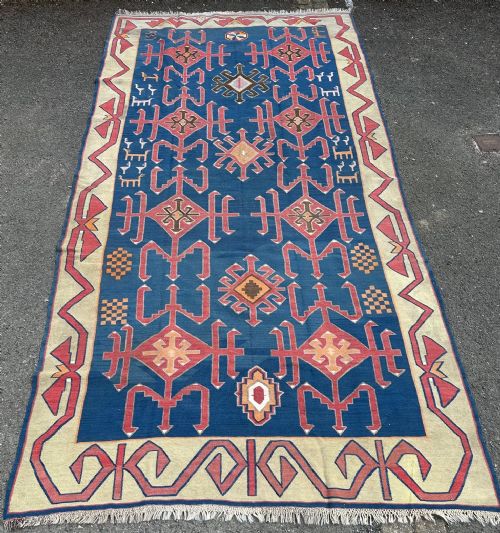


Flat Weave Tribal Carpet
A flat weave tribal carpet brings geometric patterns, nomadic history and rich wool texture into a room.
Flat Weave Tribal Carpet
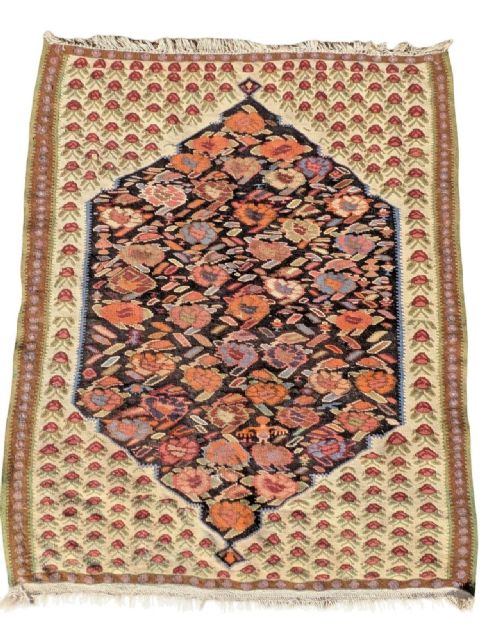
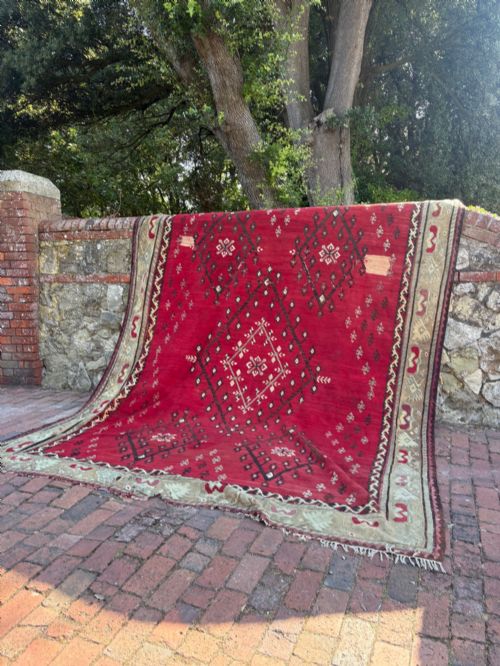
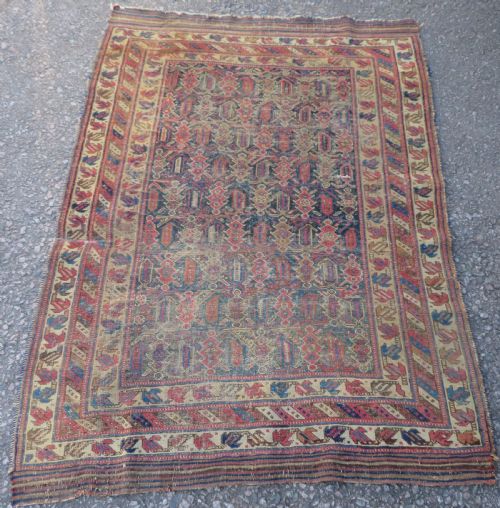
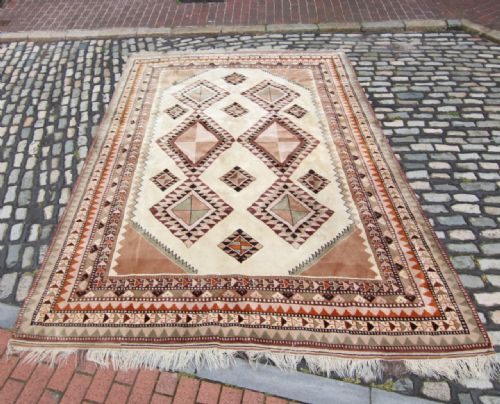
A flat weave tribal carpet is an unpiled textile produced by nomadic and village weavers across the Caucasus, Anatolia, Persia, and Central Asia. When exploring this selection, buyers encounter formats ranging from large room-size kilims and runners to storage bags and half-saddlebags. These items originate from specific tribal groups including the Shahsevan, Yomut, Qashqai, and Uzbek, spanning the late nineteenth century through to the mid-twentieth century.
The aesthetic relies on flat-woven structures rather than knotted piles, resulting in crisp graphic motifs, banded designs, and medallion layouts. Many examples are woven in two parts and subsequently joined, a traditional method for managing large loom widths in nomadic tents. Common regional expressions include Caucasian Shirvan kilims, Turkish Malatya pieces, and Pirot or Sarkoy weaves from the Balkans.
Materials and construction methods
The foundational materials recorded across these textiles are wool and cotton, frequently worked as hand-spun wool that accepts dye with subtle variation. Weavers utilised natural dyes to achieve soft colour palettes as well as bold, saturated tones depending on the regional tradition. Techniques encompass straightforward slit-tapery flat weaves alongside Soumak wrapping and palas constructions.
Structural integrity often depended on the division of labour in nomadic camps, where larger carpets were woven in separate sections and stitched together down the centre. End finishes frequently feature long kilim ends or supplementary weft floats that stabilise the textile without adding a heavy pile.
Some nineteenth-century nomadic weavers ingeniously solved loom-width limits by weaving massive carpets in two halves and stitching them down the middle.
Factors of quality and execution
Quality in these textiles rests upon the precision of the flat-weave structure, the handling of natural dyes, and the clarity of the graphic design. Finer tight weaves maintain straight selvedges and regular geometric repeat patterns without distortion across the field. Superior examples display harmonious dye shifts and depth of colour that develop gracefully over decades.
The condition of the wool, the integrity of the original joins in two-part carpets, and the preservation of long kilim ends also influence the standing of a piece. Scarce regional designs executed with balanced proportions distinguish exceptional works from standard village production.
The Flat Weave Tribal Carpet Glossary
- Kilim
- A flat-woven carpet or rug produced without a pile using various interlacings of warp and weft. This technique creates a lightweight textile with identical patterns visible on both sides.
- Soumak
- A flat-weave technique involving wrapping weft threads over and under warp threads in a continuous herringbone or braided effect. This method adds structural weight and durability to the textile.
- Mafrash
- A large rectangular storage bag or trunk panel woven by nomadic groups for domestic transport and storage. Complete examples often feature detailed end panels and side designs.
- Warp
- The stationary vertical threads stretched tightly on the loom before weaving begins. The weft is passed horizontally through these threads to form the cloth.
- Weft
- The horizontal threads passed back and forth through the warp threads to create the woven design. In flat weaves, the coloured weft threads are beaten down tightly to conceal the warp entirely.
Flat Weave Tribal Carpet: Frequently Asked Questions
How are flat weave carpets cleaned?
Maintenance for these textiles involves gentle surface vacuuming without a rotating brush head to protect the flat-woven structure and wool fibres. Professional textile cleaners specialising in antique oriental rugs should handle any wet cleaning or conservation.
Avoiding direct, prolonged sunlight preserves the natural dyes used in these historic pieces. Rotating the carpet periodically ensures even wear across high-traffic areas.
Are these carpets suitable for heavy floor use?
These flat-woven textiles function well in residential spaces when paired with a quality rug underlay to prevent slipping and reduce friction against the floorboards. Their lack of a pile makes them particularly practical for high-traffic zones like hallways and dining areas.
Older or more delicate examples benefit from placement in lower-traffic rooms or display as wall hangings. Evaluating the density of the weave helps determine the appropriate placement for daily use.
What is the difference between a kilim and a Soumak?
A kilim relies on a slit-tapery flat-weave construction where colour changes create small vertical openings or slits in the fabric. This produces a flat, flexible textile with a smooth surface texture.
Soumak uses a wrapping technique where weft threads loop over the warps, creating a textured surface that resembles a braid on the face and loose threads on the reverse. This wrapped construction provides extra body and strength compared to a standard slit-weave kilim.
How can I tell which region a rug comes from?
Regional attribution relies on identifying specific design vocabulary, colour combinations, and structural traits characteristic of particular tribes or towns. For instance, Caucasian pieces often present sharp geometric medallions, while Anatolian village rugs display distinct border arrangements and regional dye signatures.
Examining the treatment of the ends, selvedges, and wool preparation offers further clues to the workshop or nomadic group responsible. Comparing specific motifs against documented regional examples clarifies the likely place of origin.