


Fitted Collectors Chest
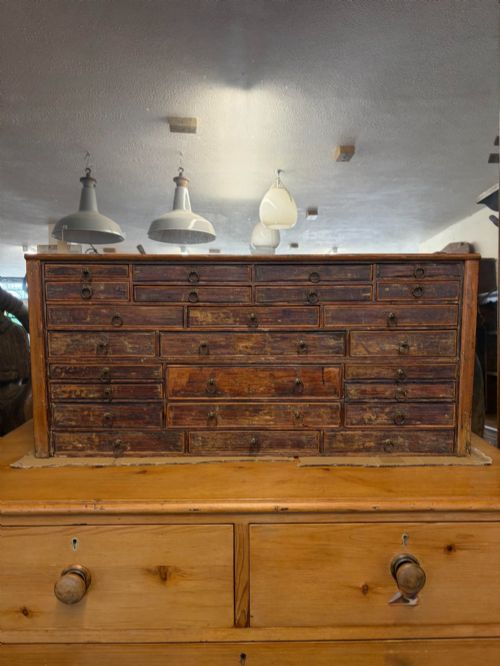
Fitted collectors chests are specialist multi-drawer cabinets for housing specimens, tickets and small valuables, prized by serious organisers for their craftsmanship.
Fitted Collectors Chest
A fitted collectors chest is a multi-drawer cabinet designed to house small specimens, tickets, and curiosities with absolute precision. When exploring this selection, buyers frequently encounter pieces originating from the eighteenth and nineteenth centuries, including Victorian and Georgian examples.
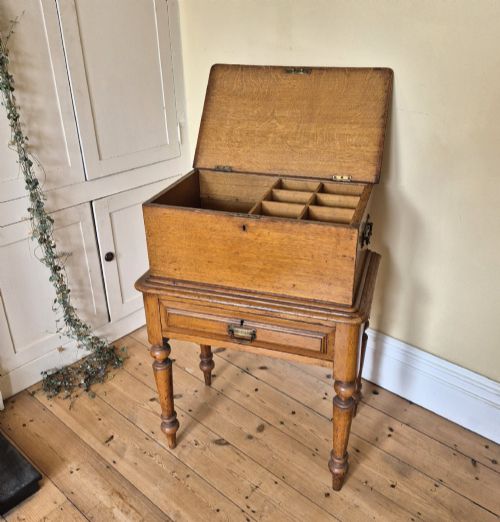
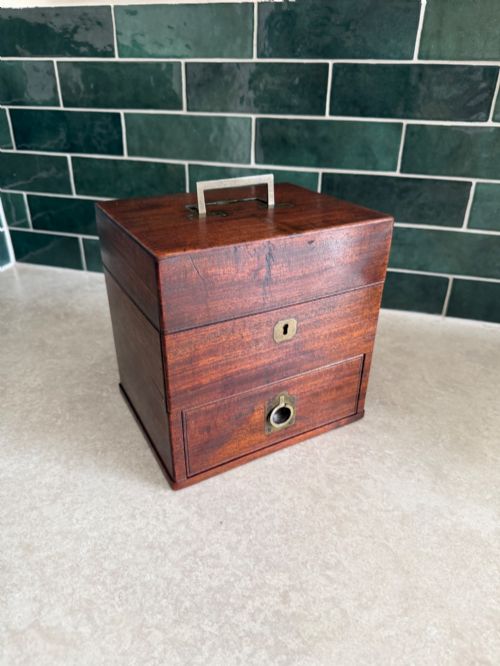
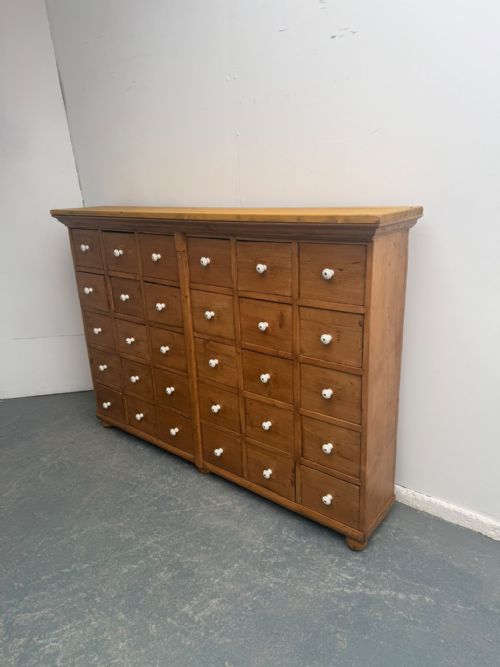
The forms span banks of drawers, table cabinets, and apothecary or estate boxes with multiple internal compartments. Oak, mahogany, and walnut dominate the structural origins of these pieces, alongside regional variations in pine and rosewood.
These chests serve a practical purpose for organising meticulous collections while offering substantial decorative presence. The items listed encompass specialised furniture such as microscope slide cabinets and haberdashery shops.
Materials and construction methods
Makers utilised dense hardwoods like mahogany, walnut, and oak to construct the carcasses and drawer frameworks, ensuring stability over centuries of use. Secondary timbers such as pine appear in concealed structural elements.
Brass fittings, including drop handles, escutcheons, and locking mechanisms, provide both functional operation and structural reinforcement to the drawers and doors. Glass is integrated into specialised display variants for viewing contents.
Joinery techniques prioritize tight tolerances to protect delicate contents from dust and environmental shifts. Interior drawer arrangements are meticulously divided to suit specific items like microscope slides or railway tickets.
Listings feature multiple periods spanning the seventeenth, eighteenth, and nineteenth centuries, utilising oak, mahogany, walnut, and pine.
Factors determining quality
Quality separates pieces through the precision of the drawer fit and the selection of timber veneers, such as burr walnut or figured mahogany. Superior examples maintain original hardware and intact internal divisions.
Proportions and decorative restraint dictate the desirability of a chest, with diminutive or bespoke architectural forms commanding greater attention. The integrity of the finish and the complexity of the internal configuration further distinguish fine examples.
Luxmore's of Ilfracombe·Charles William Schofield
The Fitted Collectors Chest Glossary
- Bank of drawers
- A tall or wide cabinet featuring numerous stacked small drawers intended for systematic sorting. These pieces were common in commercial and estate settings.
- Estate cabinet
- A large fitted storage piece designed for managing household or agricultural records and valuable sundries. They often feature intricate internal compartments.
- Vargueno
- A traditional Spanish cabinet featuring a drop-front writing surface concealing a complex arrangement of small drawers. This form originates from the seventeenth century.
- Secretaire
- A chest or cabinet incorporating a concealed writing drawer with a drop-down front. These often feature internal pigeonholes and small accessory drawers.
- Specimen cabinet
- A specialised storage unit built to protect scientific samples, fossils, or natural history collections in shallow drawers. They frequently utilise glass or tight-fitting dust lips.
Fitted Collectors Chest: Frequently Asked Questions
What were fitted collectors chests used for?
These chests served primarily to store and protect organised collections of small objects, ranging from natural history specimens to railway tickets and microscope slides. Their numerous small drawers kept delicate items segregated and safe from dust.
In domestic and commercial settings, they functioned as secure storage for valuable personal effects, documents, and specialised equipment. Each drawer was often partitioned to suit the specific dimensions of the items housed within.
How do I date a nineteenth century chest?
Dating relies heavily on examining the timber species, construction methods, and hardware styles characteristic of specific periods like the Victorian era. Secondary woods and dovetailing techniques offer clear chronological indicators.
Makers' marks, labels, or regional stylistic traits found on the piece further help narrow the decade of production. Hardware such as brass locks and handles also shifts in design from the Georgian period through to the late nineteenth century.
Can these chests be used in modern interiors?
These cabinets integrate smoothly into modern rooms by providing practical tabletop or floor-standing storage for small contemporary collections and accessories. Their compact drawer arrangements suit current organising needs.
Placing a table cabinet or small bank of drawers on a desk or sideboard highlights the rich grain of mahogany or walnut timbers. They work well in studies, hallways, or living spaces as focal storage points.
What is the difference between an apothecary box and a specimen cabinet?
An apothecary box is typically portable, designed to transport medical supplies and small glass bottles securely within a hinged case. These often feature simple fitted interiors.
A specimen cabinet is generally a larger, stationary piece of furniture built with numerous shallow drawers specifically for scientific or natural history collections. Their internal design focuses on maximum drawer capacity and dust protection.