
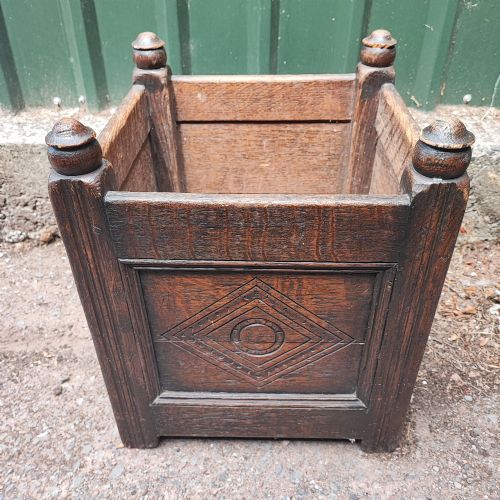
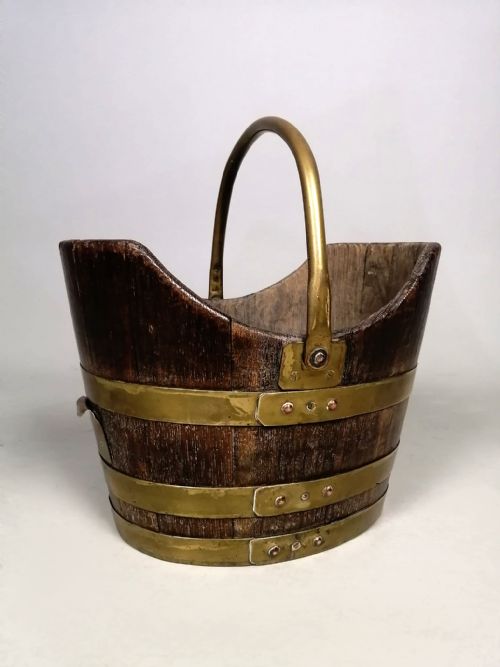


Fireside Oak Log Store
These fireside oak log store pieces bring practical hearthside timber storage into a room, combining traditional craft with everyday utility.
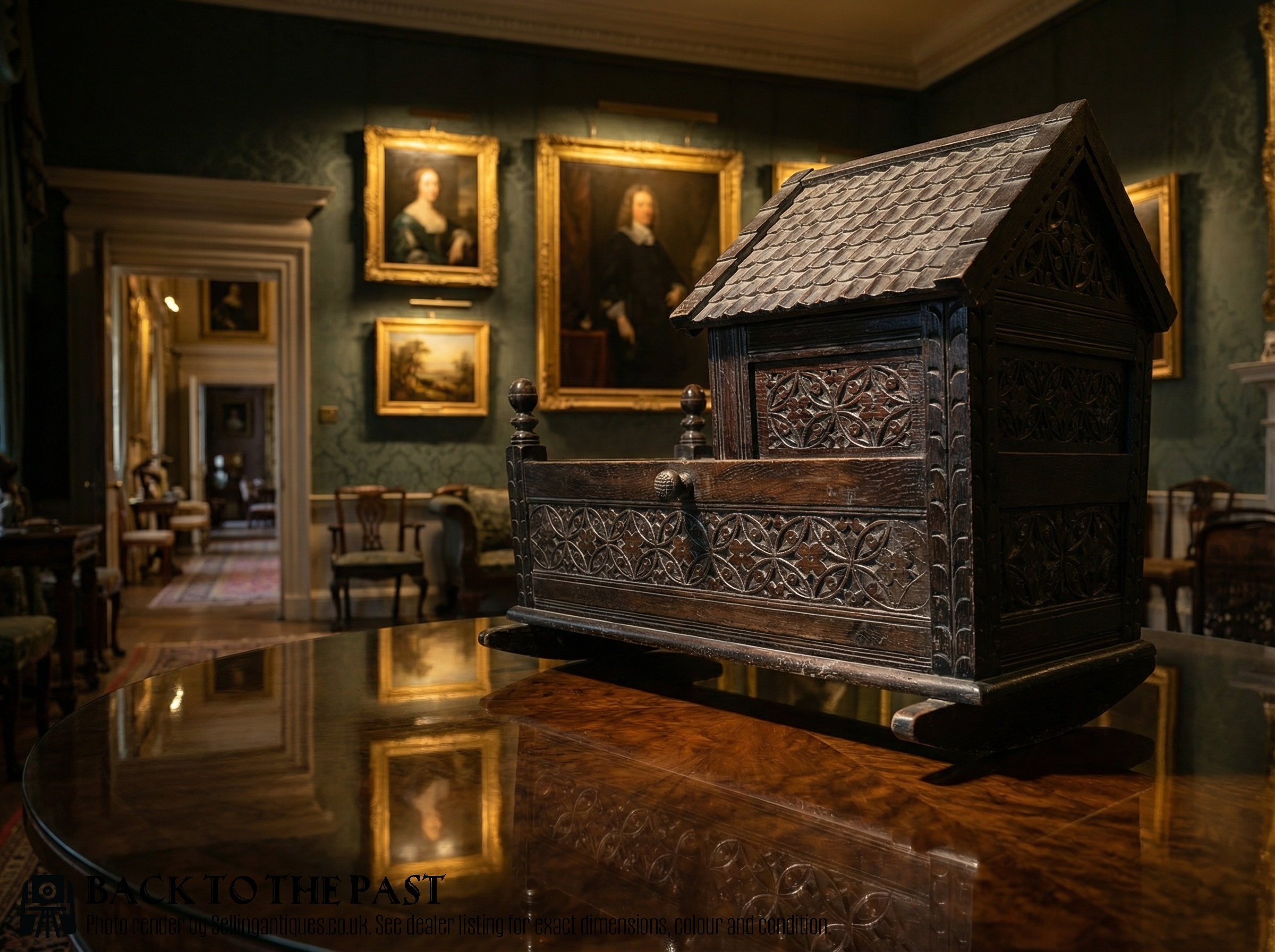
Fireside Oak Log Store
A fireside oak log store serves as a sturdy receptacle for hearthside timber, drawing on forms like coal boxes, bins, buckets, and even repurposed cradles. These pieces appear across Georgian, Victorian, and Edwardian periods, reflecting the enduring domestic need to keep fuel close to the fire.
The selection ranges from coopered fire buckets and metal-banded bins to carved oak purdoniums and country carriers. Many examples combine solid oak with brass or copper hardware, showing how functional hearth items doubled as decorative interior objects.
Buyers encounter regional English traditional styles alongside Arts and Crafts designs, demonstrating the versatility of oak in domestic settings. Whether utilised as a dedicated log basket or a fireside store, each form bridges utilitarian storage and period craft.
How they were made
Makers utilised solid oak alongside contrasting timbers such as elm, fruitwood, and pine, shaping the bodies through traditional coopering, joinery, and carving techniques. Staves were fitted closely together to hold weight and resist drying out near the hearth.
Metal components played a structural and decorative role, with brass bands, drop handles, and copper linings secured to the timber bodies. These mixed-media constructions ensured the vessels could withstand the daily loading of heavy logs and coal.
Listings feature oak combined with brass, iron, and copper, spanning Georgian, Victorian, and Edwardian periods.
What varies in quality
Quality rests in the integrity of the construction, such as tightly fitted coopered staves and the depth of hand-carving on the oak panels. Superior examples feature robust metal banding and original hardware that remain firmly attached to the wooden body.
The distinction between standard utility items and finer pieces lies in the finishing details, including integrated shovels, dovetailed joints, and well-preserved linings. Maker attribution, such as branded pieces, also elevates the standing of an individual fireside store.
Liberty London
The Fireside Oak Log Store Glossary
- Coopered
- Constructed from wooden staves bound together with metal hoops, much like a barrel. This traditional technique provides immense strength for holding loose materials.
- Purdonium
- A specialised Victorian coal box featuring a sloping front door that drops forward to reveal a metal-lined interior. It usually incorporates a matching shovel stored within the casing.
- Scuttle
- A metal or wooden bucket designed for carrying coal or logs to the hearth. These often feature a swinging top handle and a fixed rear grip for controlled tipping.
- Arts and Crafts
- A design movement emphasising handcraftsmanship, simple forms, and natural materials. Pieces from this tradition avoid excessive machine ornamentation in favor of honest construction.
Fireside Oak Log Store: Frequently Asked Questions
How do I clean a fireside oak log store?
Wipe the oak surfaces gently with a soft, dry cloth to remove dust and debris from daily hearth use. Avoid harsh chemical cleaners that might strip the historic finish or dry out the timber.
For metal bands or copper linings, use appropriate metal polish sparingly, taking care not to stain the surrounding wood. Regular light maintenance preserves both the patina and the structural integrity of the piece.
Can I use these for logs today?
These vessels were built precisely for holding fuel near the hearth, making them well-suited for modern log storage. Many feature original metal or copper linings designed to catch bark and debris.
Check the interior condition before loading heavy timber to ensure the base and staves remain secure. Placing smaller logs gently inside prevents unnecessary impact damage to antique wooden panels.
How do I date an oak log store?
Examine the construction methods, handle styles, and decorative motifs to determine the period of manufacture. Georgian pieces often feature simple coopered banding, while Victorian examples frequently showcase elaborate carved fronts or drop-front purdonium mechanisms.
Hardware fixings and wood patination also offer strong clues to age. Machine-cut screws point toward later Victorian or Edwardian production, whereas hand-forged ironwork suggests earlier origins.
Where should I place a log store?
Position the piece close to the fireplace or wood-burning stove for easy access to fuel during colder months. Ensure it sits a safe distance from open flames to protect the dry oak from excessive heat.
Beyond the hearth, these versatile containers work effectively in hallways for umbrella storage or in living spaces as decorative planters.