




Fireplace Fuel Store
A fireplace fuel store keeps solid fuel neat beside the hearth, uniting practical storage with the solid craftsmanship of past centuries.
Fireplace Fuel Store
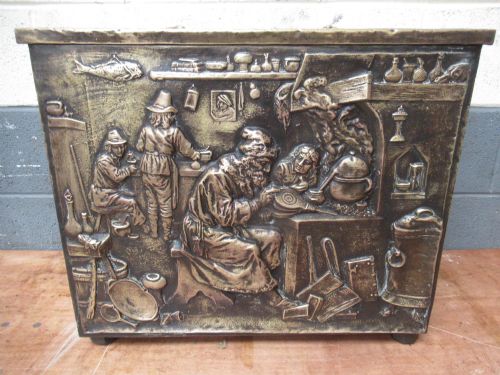
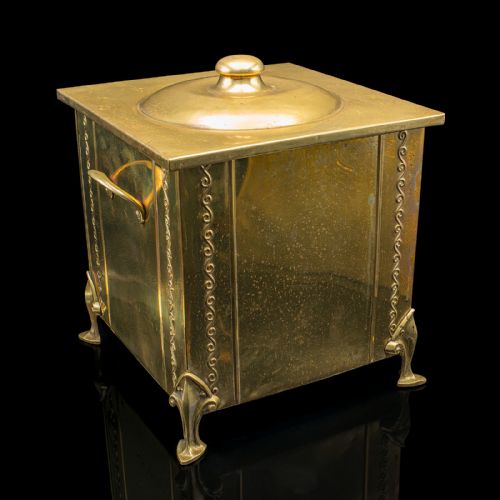
A fireplace fuel store takes many forms, appearing as traditional coal boxes, scuttles, purdoniums, and open log bins. These pieces keep solid fuel tidy near the hearth while adding decorative presence to the room.
Most examples encountered here originate from the Victorian and Edwardian periods, constructed to serve daily domestic needs with sturdy practicality. Oak, mahogany, and pine provide the wooden structure for many boxes, while others use copper, brass, and wrought iron.
Makers shaped these utilitarian objects with considerable care, incorporating carved details, inlaid woods, and riveted metalwork. The designs range from simple Scottish peat buckets and log carriers to elaborate coal purdoniums with fitted interiors.
How they were made
Coopers and cabinetmakers built the wooden versions using solid planks of oak, mahogany, walnut, and pine, often employing coopered staves or carved panels. These wooden structures frequently incorporate brass handles, hinges, and linings to withstand the weight of coal and logs.
Metal stores rely on sheet copper and brass, joined with visible rivets or shaped into helmet scuttles and lidded bins. Wrought iron provides the heavy-duty framework for open log layers and Arts and Crafts fuel keepers.
What varies in quality
Quality rests on the selection of materials and the integrity of the construction, from thick gauge copper to deeply carved hardwood panels. Better pieces show thoughtful joinery, such as tightly fitted staves on buckets or crisp carving on oak and mahogany boxes.
Decorative elements further distinguish the range, separating plain utilitarian bins from pieces featuring refined inlays, embossed galleon designs, or substantial brass mountings. The distinction lies in how successfully the maker combined heavy daily utility with decorative ambition.
LIBERTY LONDON
The Fireplace Fuel Store Glossary
- Purdonium
- A specialised box for storing and dispensing coal, typically featuring a hinged lid and a drop-down front to facilitate shovelling.
- Scuttle
- A metal bucket with a swinging handle and a shaped spout designed for carrying coal to the fire basket.
- Coopered
- Made by a cooper using curved wooden staves bound together with metal hoops, a traditional technique seen on peat and log buckets.
- Aesthetic Movement
- A late nineteenth-century design style emphasising visual beauty and artistic expression over strict historical revival.
- Arts and Crafts
- A design movement valuing handcraftsmanship, simple forms, and visible construction methods, often expressed through hammered copper.
Fireplace Fuel Store: Frequently Asked Questions
What is a coal purdonium?
A coal purdonium is a dedicated fireside cabinet designed to hold coal neatly out of sight. It usually includes a sloping front or an internal shovel.
These pieces combine wooden cabinetry with metal linings to handle heavy fuel safely in a domestic setting.
How do I choose between copper and wood?
Copper and brass fuel stores bring reflective warmth and metallic texture to a hearth, whereas oak and mahogany options match traditional furniture.
Selection depends on the existing fireside accessories and whether you prefer the patina of aged metal or carved timber.
Were these stores meant for coal or logs?
Many designs accommodate either fuel, though specific terms indicate the primary intent. Lidded boxes and purdoniums typically served coal, while open buckets and bins held logs or peat.
Makers tailored the sizing and internal linings to suit the specific weight and cleanliness of the fuel.
How do I date a fuel store?
Dating relies on stylistic clues, such as the geometric lines of the Arts and Crafts movement or the carved ornamentation of Victorian furniture. Materials and construction methods also point to specific decades between the early nineteenth and early twentieth centuries.
Examining handles, hinges, and fixings provides further evidence of the manufacturing era.