
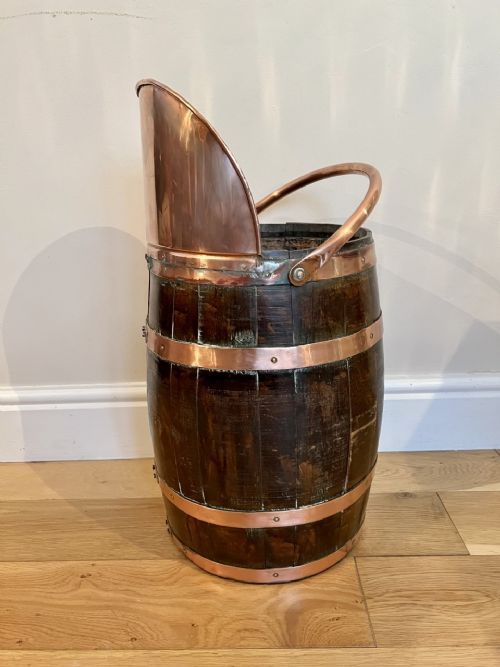


Fireplace Coal Bucket Copper
A fireplace coal bucket copper brings warmth and rich metallic tone to a hearth, combining practical fuel storage with decorative presence.
Fireplace Coal Bucket Copper
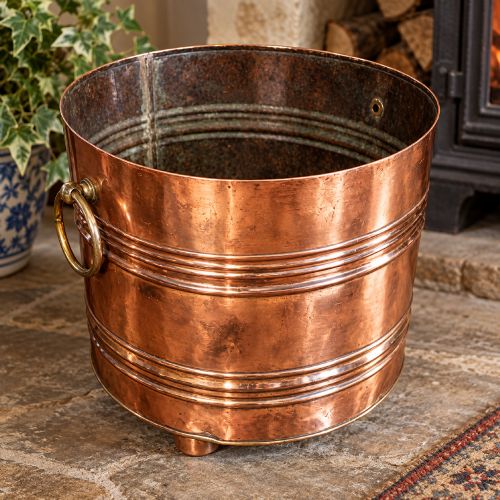
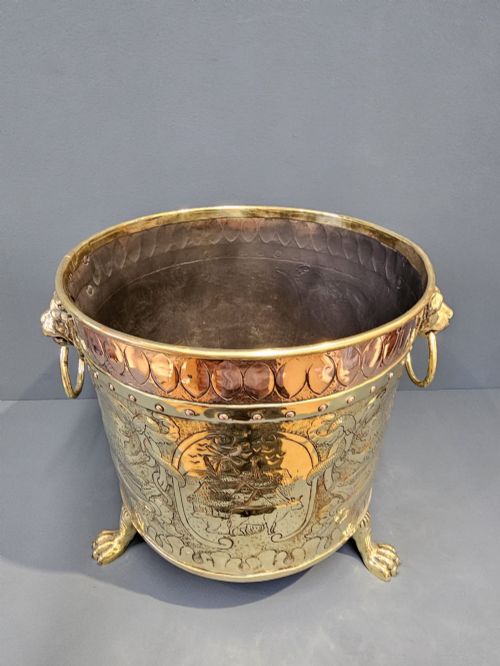
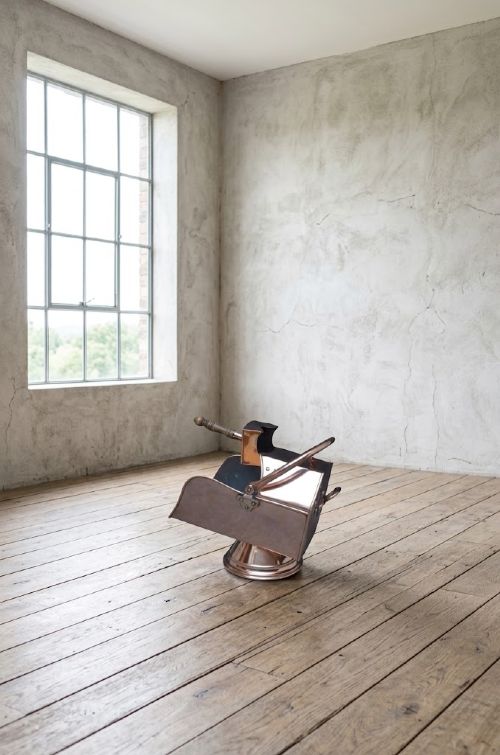
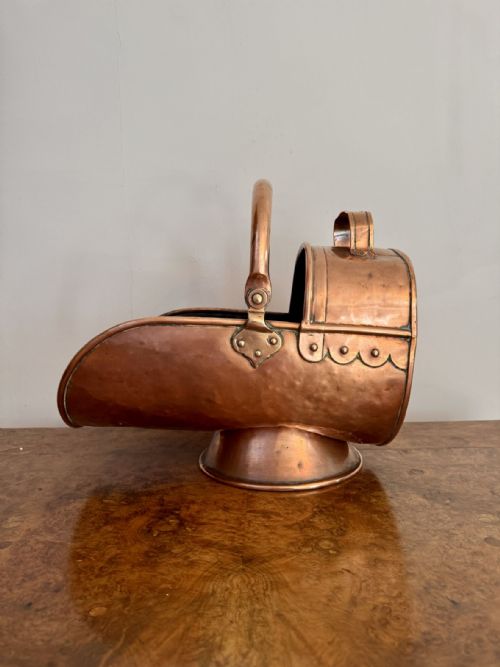
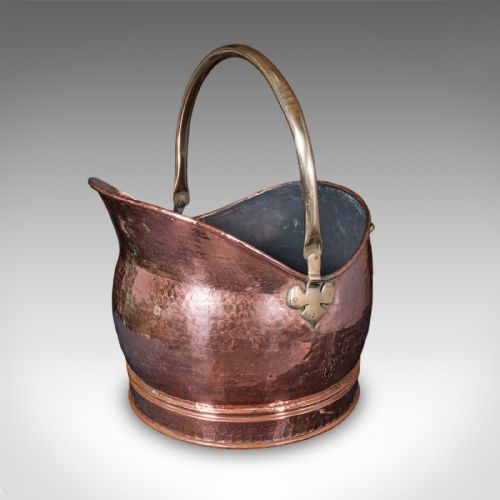
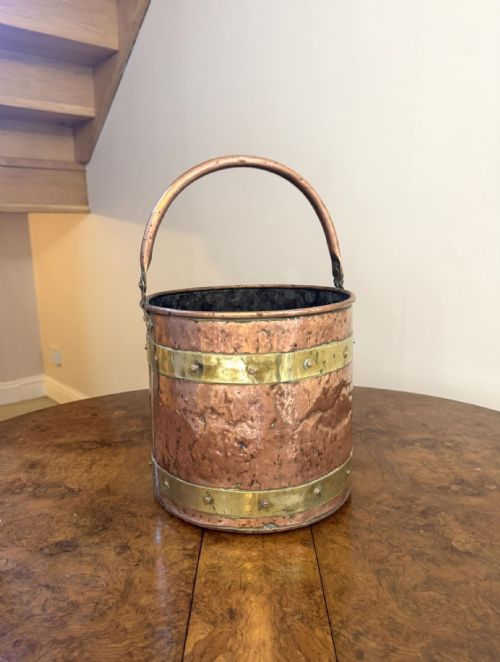
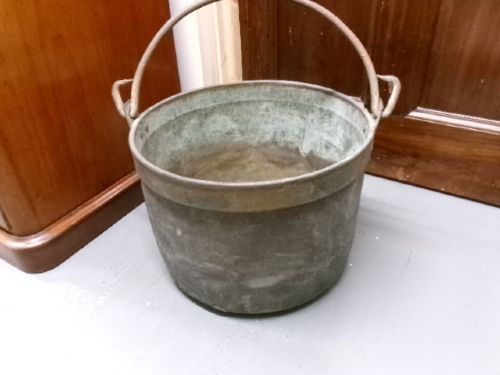
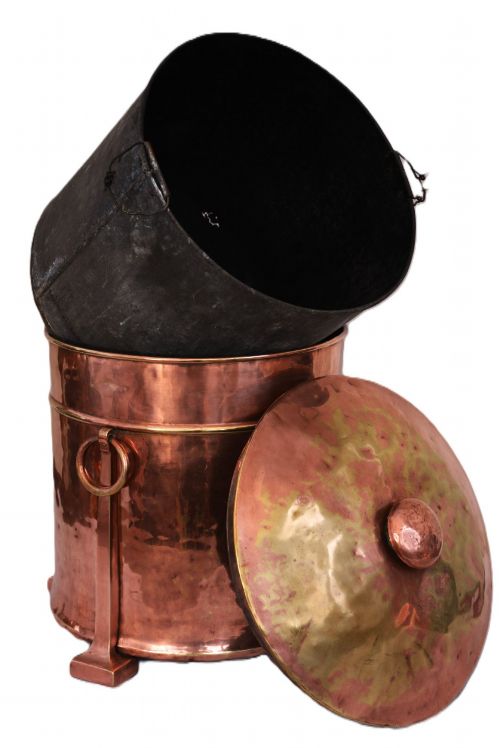
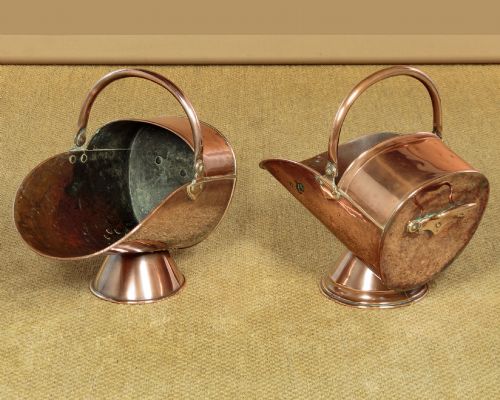
When you search for a fireplace coal bucket copper, you encounter heavy metal vessels designed to hold solid fuel beside a hearth. The most common forms on this page are Victorian helmets, cylindrical bins, and swing-handled cauldrons dating through the nineteenth century and into the Edwardian period.
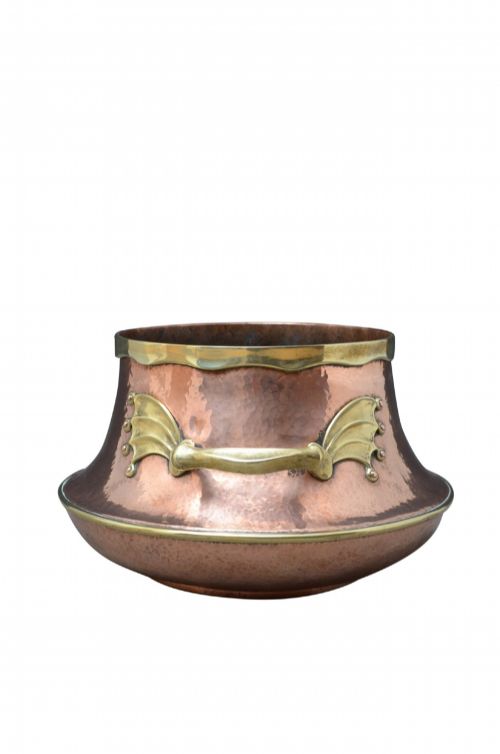
These items transition easily between utilitarian fireside storage and decorative plant holders or log bins. Makers from the Arts and Crafts and Art Nouveau movements also adapted the form, applying hand-beaten textures and stylized motifs to standard coal carriers.
Materials and Construction Techniques
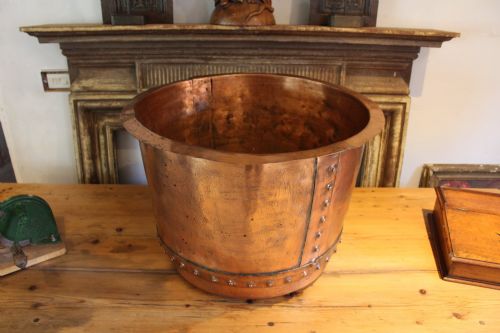
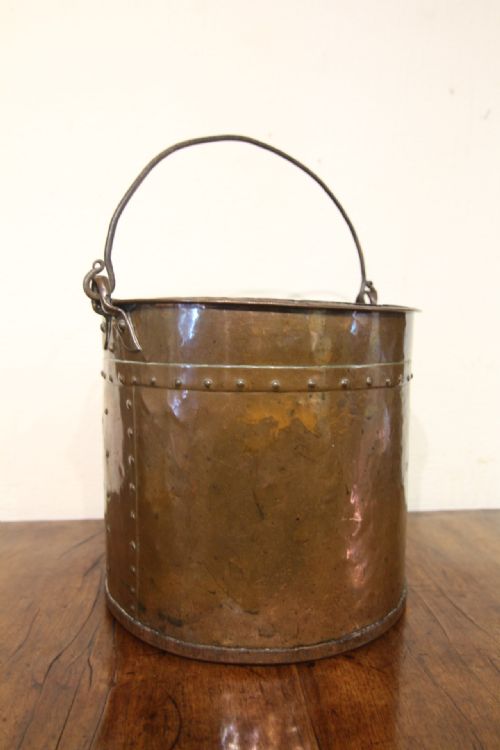
The primary construction relies on beaten or sheet copper, frequently reinforced with brass banding, riveted seams, and wrought iron handles. Workshops shaped these metals using hand-finishing techniques alongside early industrial processes to create durable vessels capable of bearing heavy loads of coal.
Contrasting metals feature heavily, with brass handles, feet, and rims accentuating the warm red hue of the copper body. Oak timber also appears as a structural base or bounding material in specific Edwardian variants.
Listings span the Victorian, Edwardian, and Georgian eras, incorporating copper, brass, wrought iron, and oak.
Distinctions in Quality and Craftsmanship
Quality rests in the weight of the metal and the integrity of the construction, particularly where riveted seams join the copper body. Heavy-gauge metal resists dents and maintains structural rigidity through decades of daily fireside use.
Artisanal handling elevates certain pieces, visible in crisp hand-hammered texturing, well-proportioned brass swing handles, and tightly fitted iron or wooden components. Lesser examples rely on thinner gauge sheet metal with pressed rather than hand-finished details.
Bamfords
The Fireplace Coal Bucket Copper Glossary
- Coal Scuttle
- A vessel with a sloped opening and a rear handle designed for carrying and pouring coal onto a fire. Helmet scuttles feature a distinctive flared shape resembling a medieval headpiece.
- Jardiniere
- An ornamental pot or receptacle, usually ceramic or metal, used for holding plants. Many copper coal buckets find a second life in this role.
- Cauldron
- A large round vessel featuring a swing handle and often raised on small feet. These pieces provide deep capacity for logs or fuel.
- Arts and Crafts
- A design movement emphasising handcraftsmanship and simple forms. Objects from this period often display visible riveted construction and hand-beaten surface textures.
- Riveted
- Joined with metal pins that are hammered flat to secure overlapping sheets. This method provides both structural strength and visual character.
Fireplace Coal Bucket Copper: Frequently Asked Questions
How do I clean a copper coal bucket?
Wash the surface gently with warm soapy water and a soft cloth to remove soot and dust, avoiding harsh abrasive pads that scratch the metal.
Leave the natural patina intact if you prefer an aged appearance, or apply a dedicated copper polish sparingly to restore a bright shine.
Can I use these buckets for logs?
Many of these vessels serve equally well as log bins or kindling holders beside an active fireplace. Their robust metal construction easily accommodates dry wood without sustaining damage.
Ensure the interior remains dry before loading timber to prevent moisture accumulation against the copper.
How do I tell Victorian from Edwardian pieces?
Victorian examples frequently display heavier riveted construction, embossed brass bands, and traditional helmet profiles dating from the mid-nineteenth century onward. Edwardian pieces often incorporate lighter proportions, oak elements, or simpler cylindrical forms influenced by later design movements.
Examining the handle attachments and internal wear patterns also helps determine the approximate decade of manufacture.
Are these pieces waterproof for plants?
Many copper coal buckets and cauldrons transition successfully into planters or indoor jardinieres for large house plants. Placing a protective liner inside prevents stagnant water from sitting directly against the historic base.
Check the base for any old drainage holes or wear before introducing soil and water directly into the vessel.